
Knowing the Butler
From the reasons behind the attire to the work of keeping the Manor.
About Knowing the Butler
Knowing the Butler is a series of readings that unfold the butler's attire, manners, history, the Manor and its furnishings, and the work, in five categories. Why does a butler choose that dress, and how does a butler order the master's time and the house? Each piece was written for Queen's Butler, operated by the Japan Butler Association.
A single gesture has many reasons.
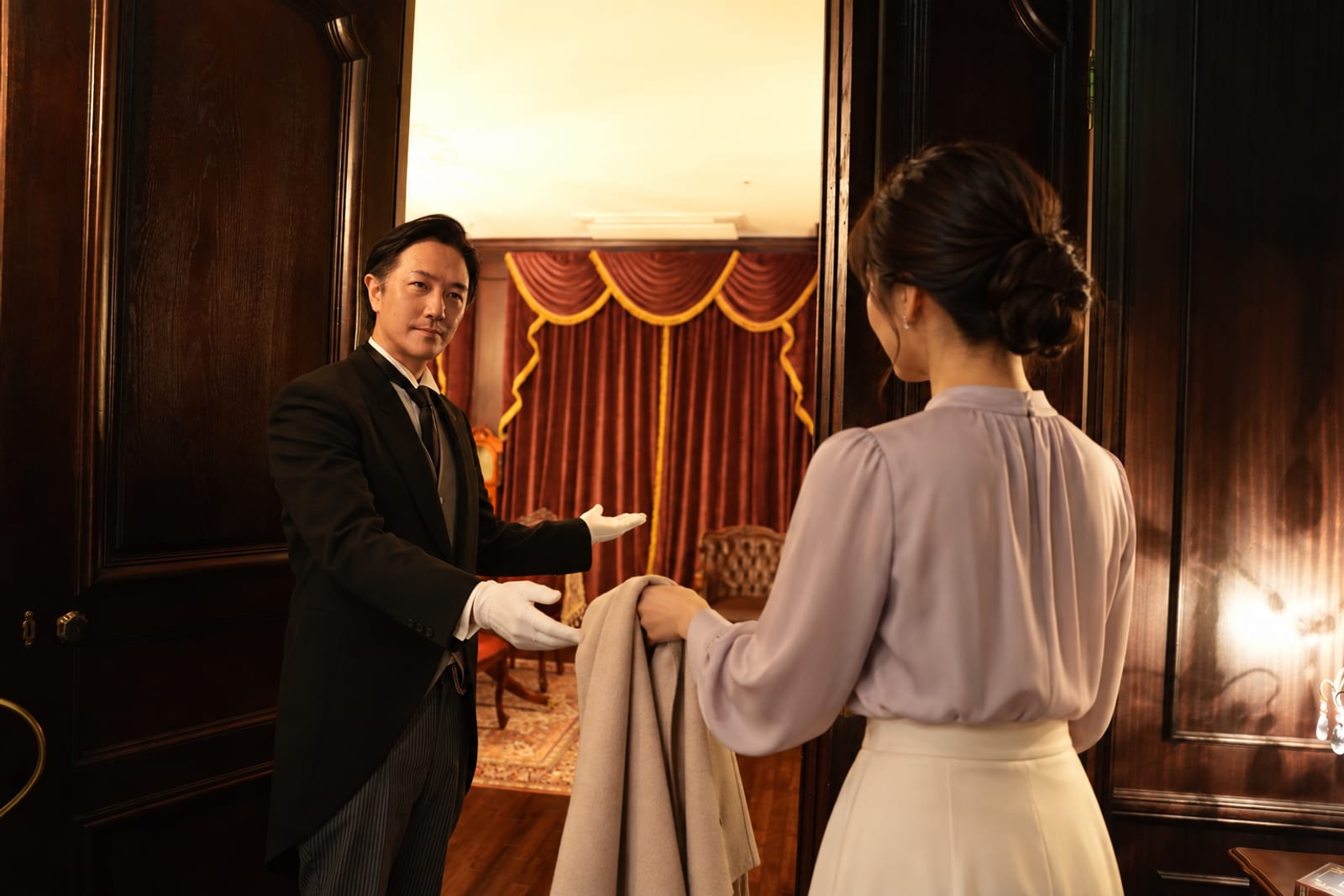
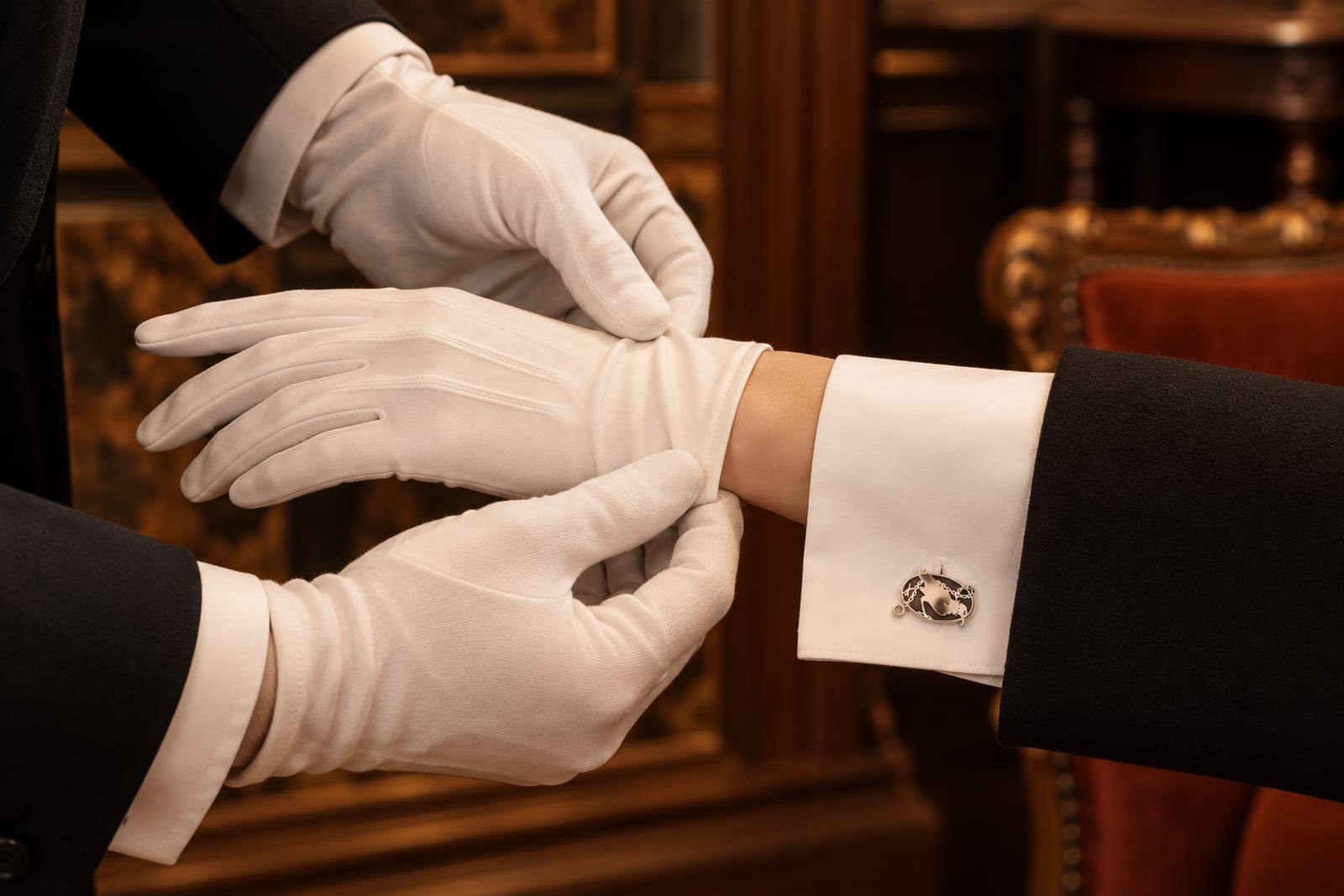
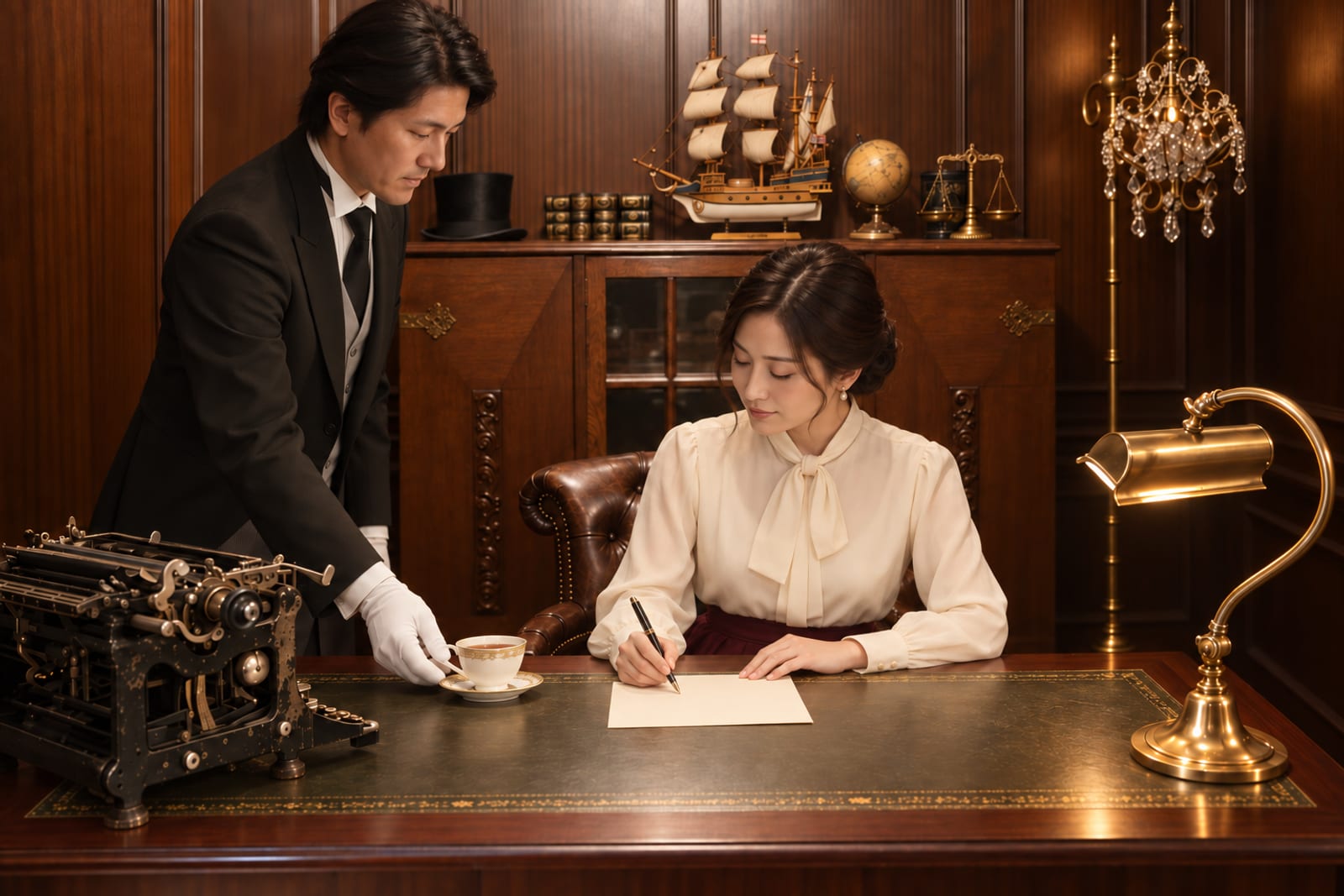
The butler's manner is the conduct of preparing a scene one step ahead, so that the master never hesitates over the next move. Putting on white gloves, reaching the door before the master, answering quietly the silver bell on the table. The attire expresses respect for the occasion, the manners a care never to hurry the master, and the keeping of the house a responsibility to protect what has been handed down.
These readings do not rush to a single answer, but open the doors in turn: attire, manners, history, the Manor and its furnishings, and the work. The knowledge connects to what the male and female butlers of our Odaiba Manor actually wear, handle and protect. If you are newly curious about butlers, begin with the definition; if you wish to understand the reasons behind a gesture seen at the Manor, go straight to the category.
The butler does not show everything through conspicuous movement. Straightening a chair, checking the direction of the silver, waiting for the moment to open the door. Even in a state so naturally ordered that the master does not notice, there is the butler's judgement. The articles put that quiet judgement into words, one by one.

Begin with whichever chapter draws you.
The butler's attire
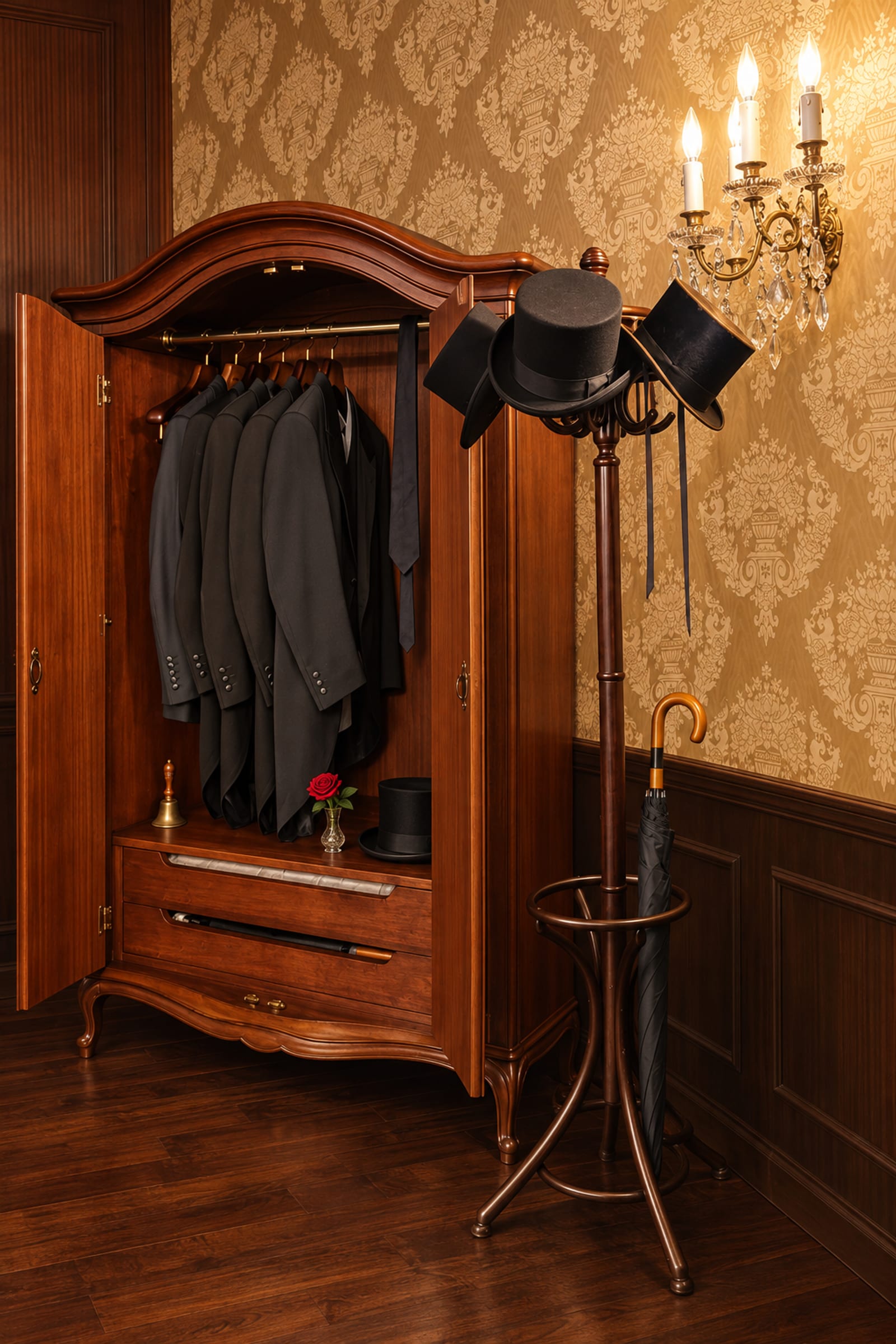
The morning coat worn by day, the tailcoat or dinner jacket chosen for evening. Waistcoat, shirt, leather shoes, white gloves and bow tie: the attire examined piece by piece.
Read more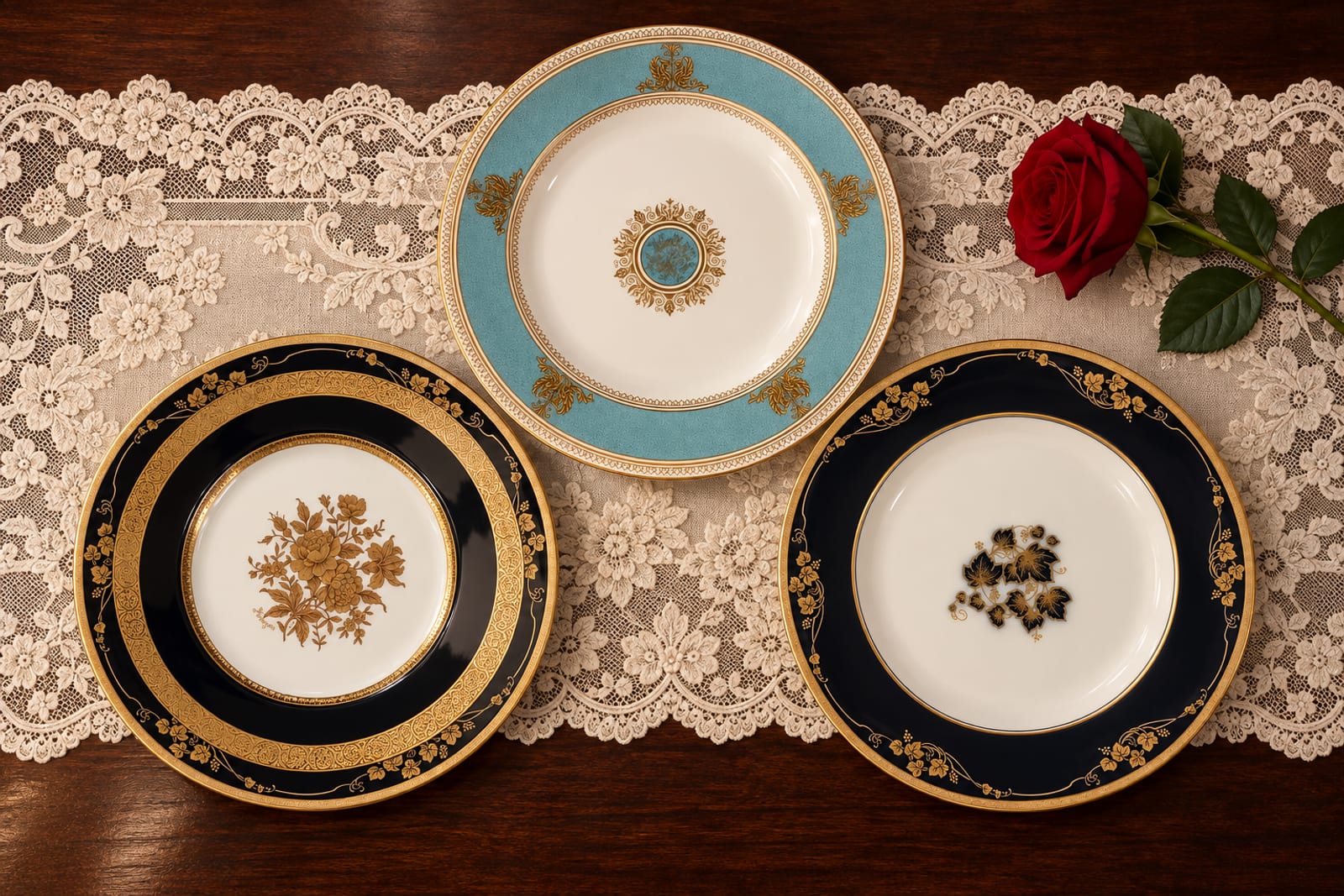
The butler's manners
The table, afternoon tea, the bow, the silver bell, and how to address a butler. What the butler prepares first so that the master may be at ease.
Read more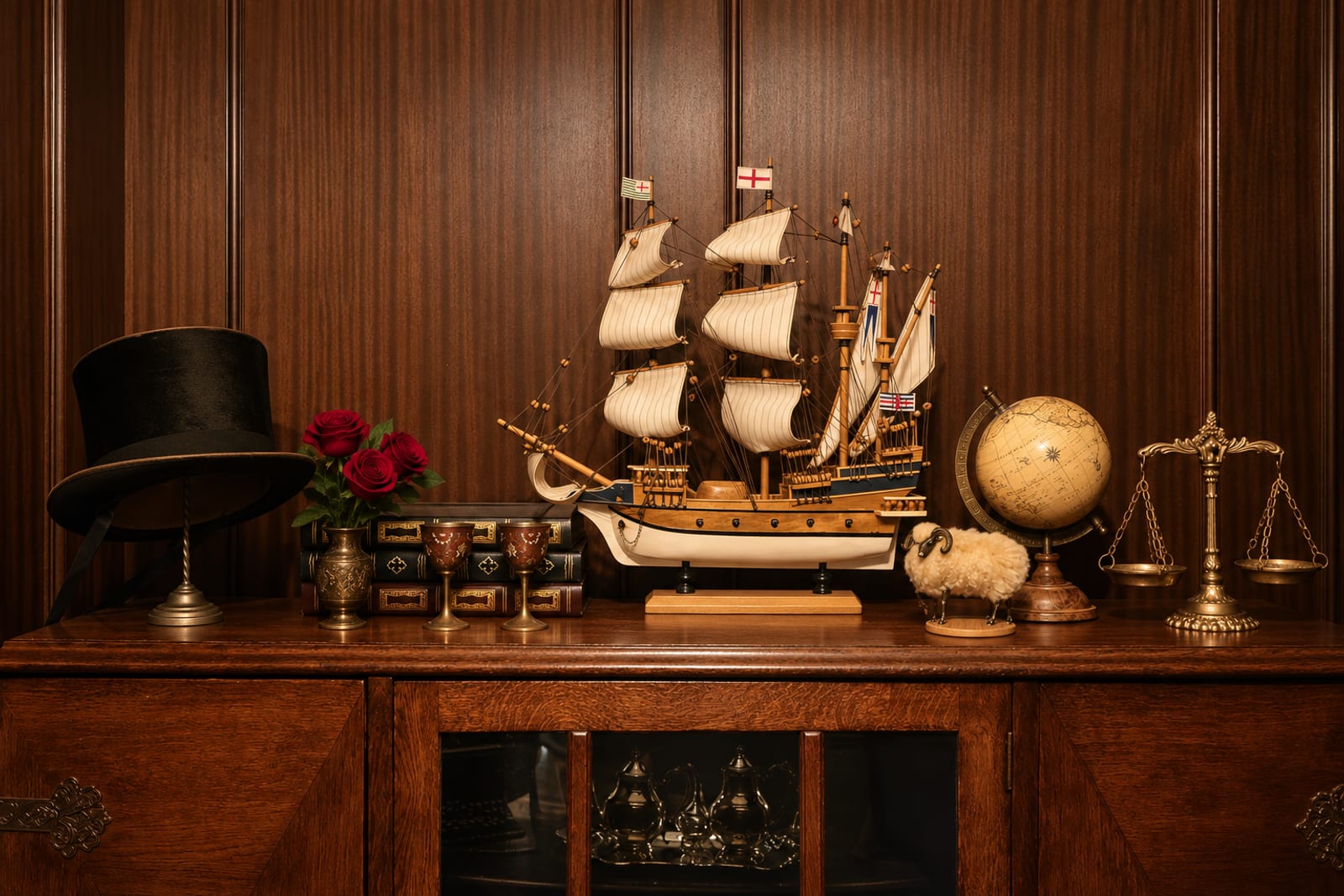
The butler's history
The origins of the role, the Victorian era, the manor house, and the queen and her butler. The background that continues to the present day, read from this site's perspective.
Read more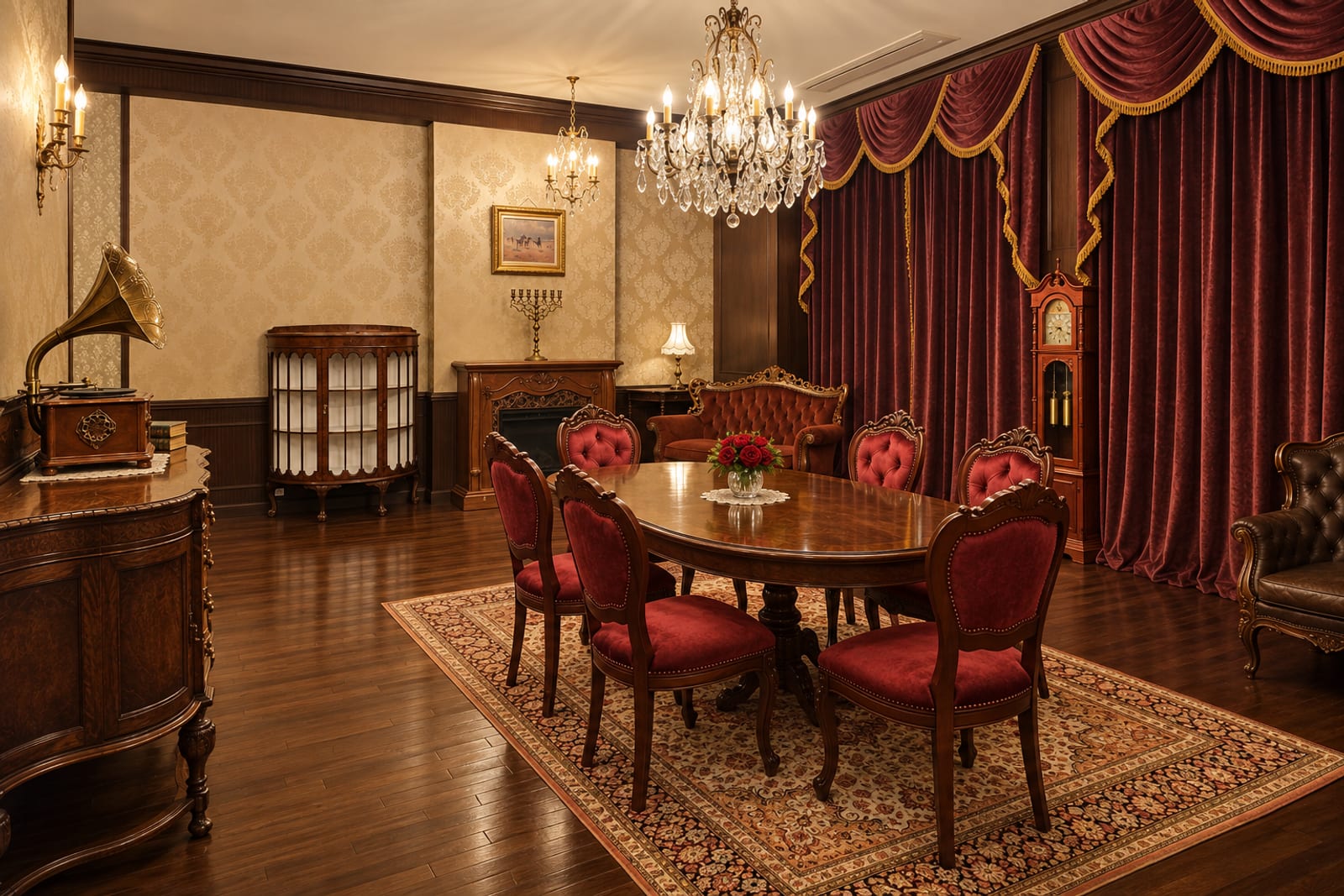
The Manor and its furnishings
Antique furniture, silver and porcelain, the chandelier, the fireplace. The origins of the furnishings the butler handles and their role within the house.
Read more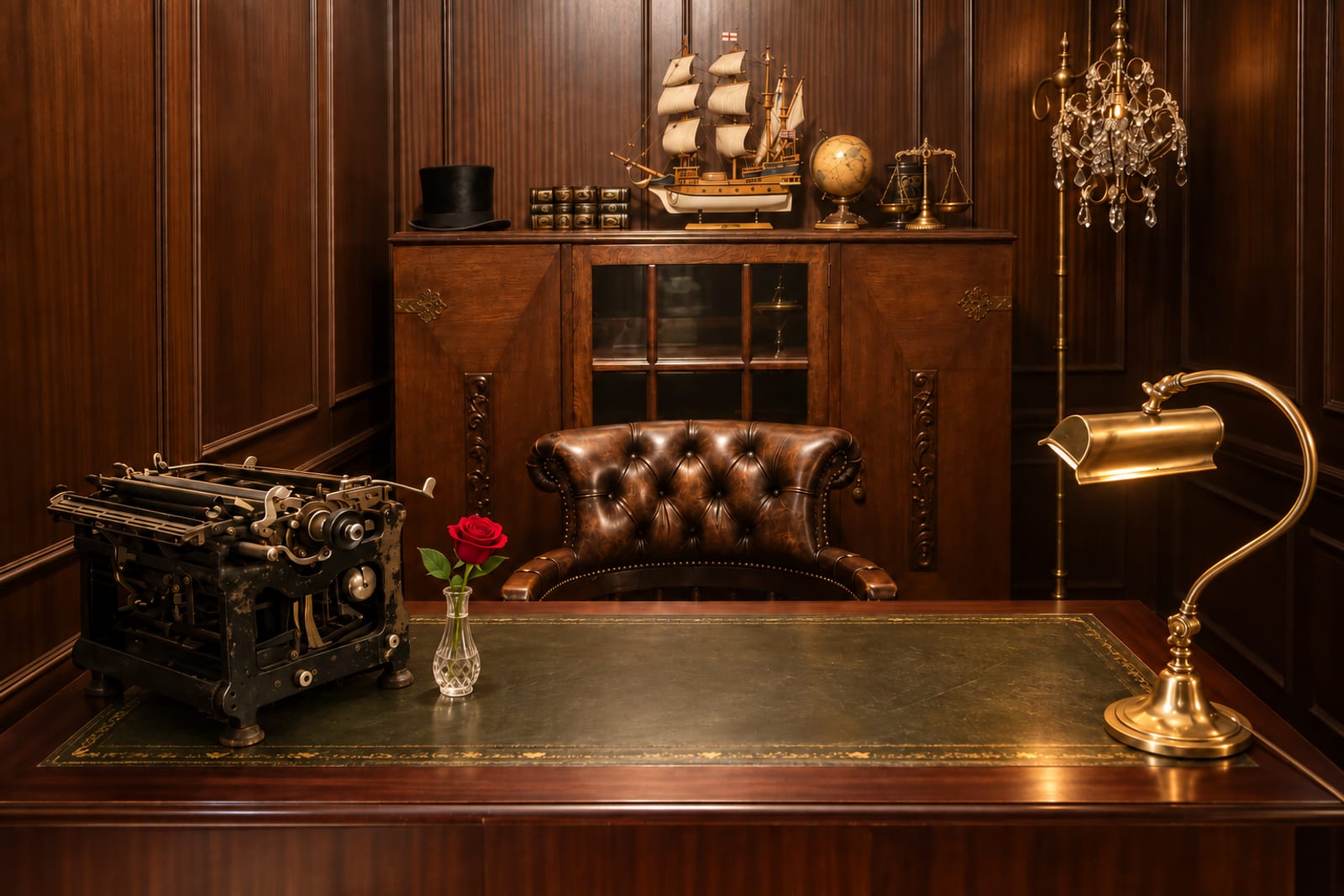
The butler's work
The course of a day, duties within the house, and the relationship with the Buddy, a dedicated butler. The work that goes on before the master ever sees it.
Read moreWhat the five categories reveal
| Category | Question | What you see on finishing |
|---|---|---|
| Attire | Why does formal dress change with the occasion? | Day and evening dress; the role of each element |
| Manners | Why is there an order to movement? | The care that never leaves the master in doubt |
| History | Where did the butler come from? | The cultural background of the role and the house |
| Manor and furnishings | Why know the provenance? | The responsibility of handling furniture, silver and porcelain |
| Work | What does the butler arrange? | The course of a day and the relationship called Buddy |
Each article may be read on its own. If you are new to the subject, please begin with "What is a butler?".
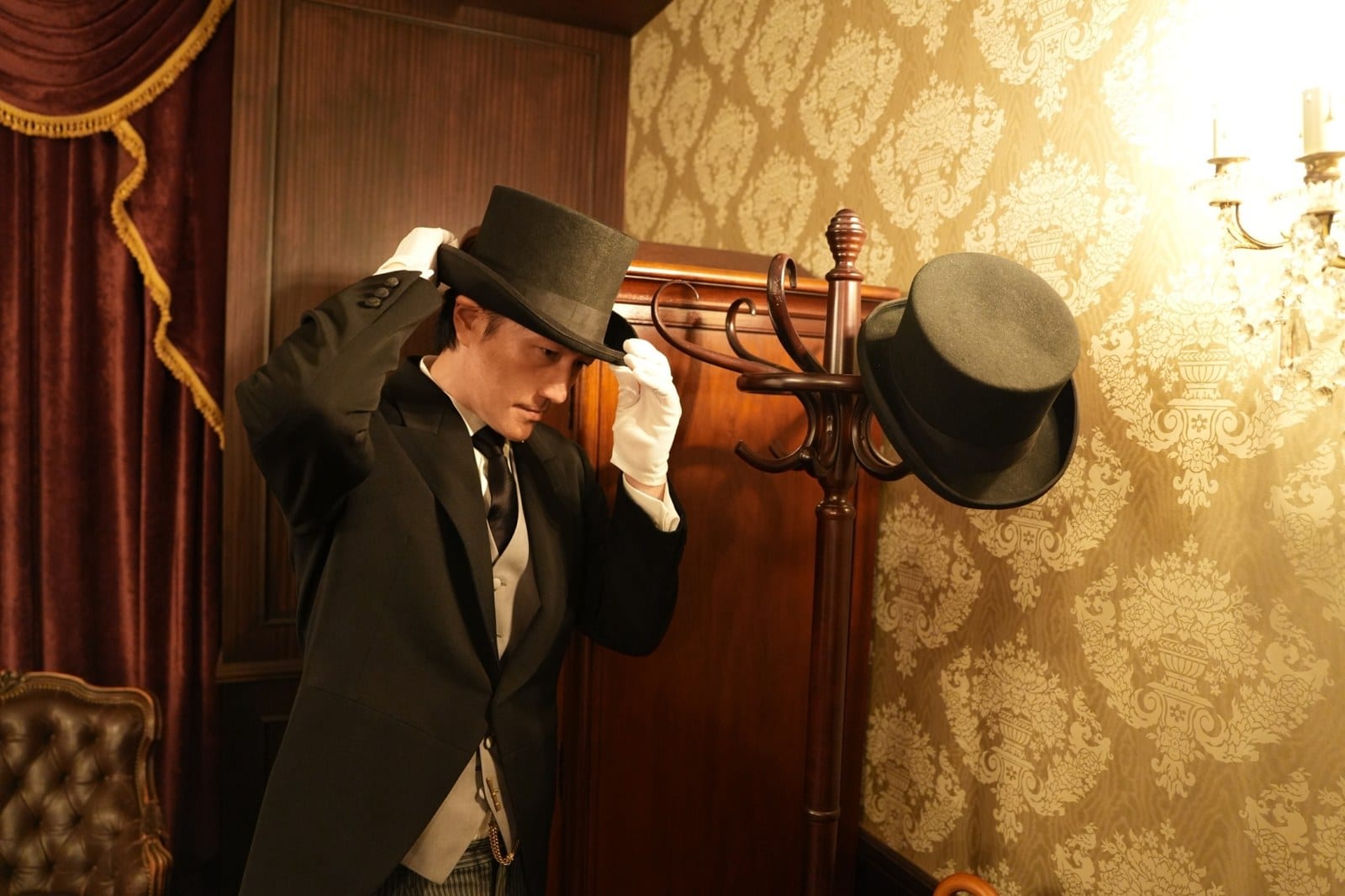
Before knowing the butler, how are these five words used?
| Butler | One who receives the master's wishes and serves by ordering people, things, time and the house. |
|---|---|
| Master | The word for the one the butler serves. On this site we also say "my lady". |
| Buddy | The Queen's Butler word for a butler who has entered a butler contract and become yours alone. |
| Apprentice | One who wears the full morning-coat ensemble and learns the butler's bearing and manner. |
| Morning coat | Daytime formal dress. Also the ensemble actually worn in the Apprentice Butler Experience. |
Beyond the readings lies the Manor itself.
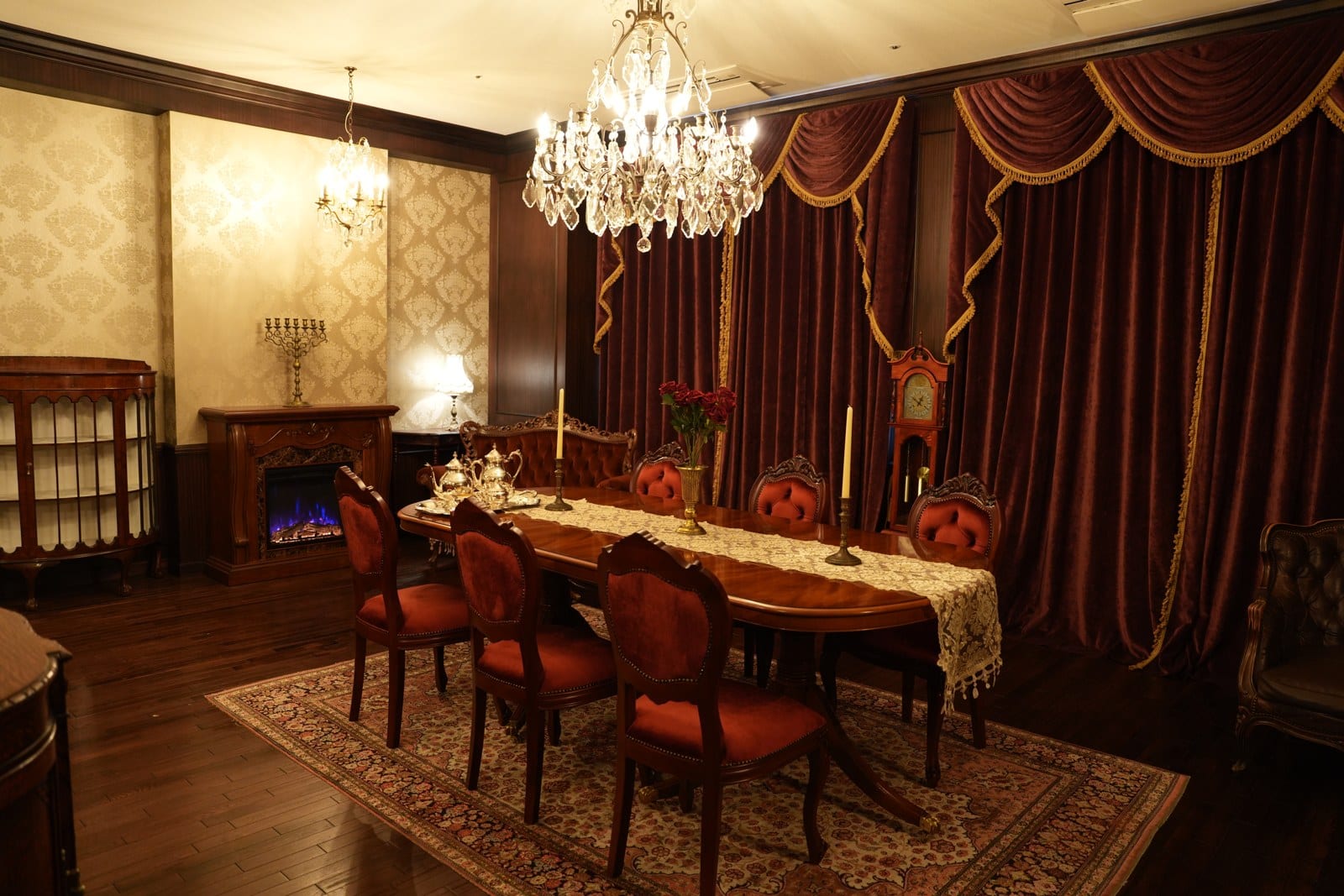
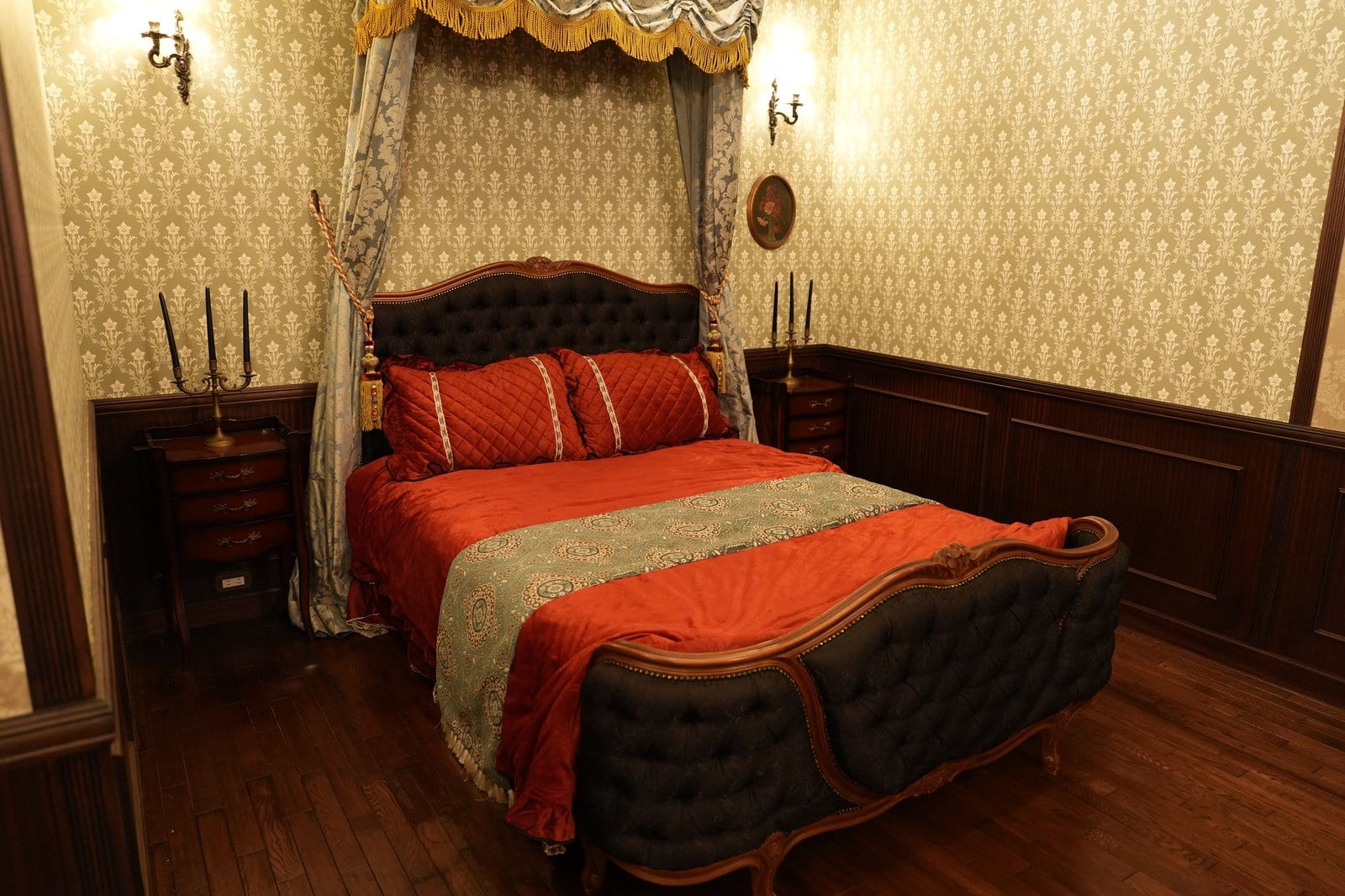
Knowledge of the Manor and its furnishings is not only remembering age and names, but knowing which scene each piece of furniture or tableware supports. The Wardrobe, the silver bell, the Christofle Marly, the chandelier, the fireplace and the hall clock in these articles all connect to what stands in our Odaiba Manor.
Read first, then see for yourself at the Manor. See something at the Manor, then read it again at home. So that you may move back and forth in this way, each article leads to the Salon, the Apprentice Butler Experience and the rooms of the Manor. Watch the butler's hands with the silver, or the master's movements before and after sitting with the furniture, and reading and reality come together.
At the Manor the furnishings are never left unattended; a butler is always at your side. Opening the door, showing what may be touched, and quietly clearing the used pieces: all of this is the butler's duty. Once you know the provenance, the reason for such careful handling becomes clear.
See the furnishings of the Manor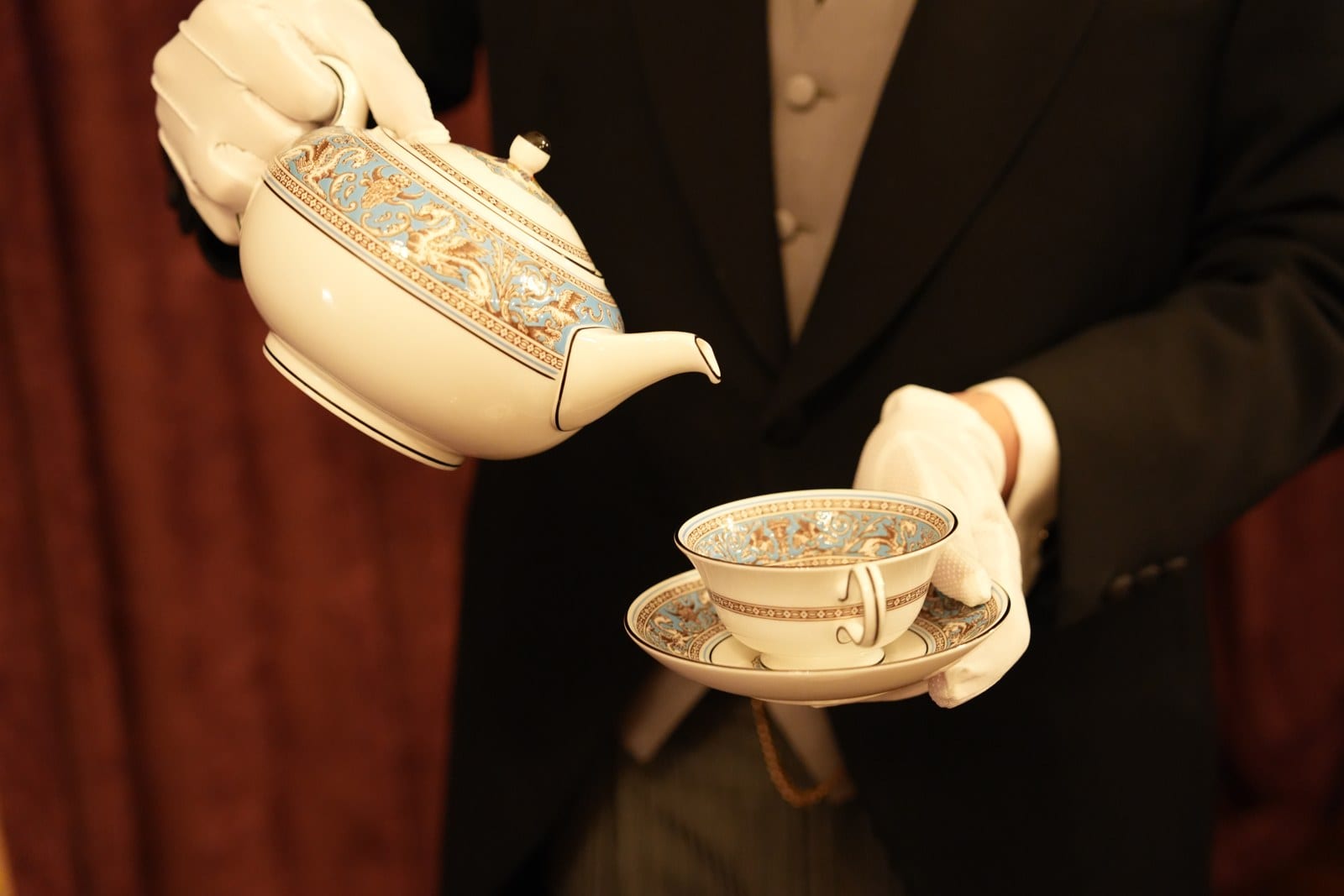
Tracing the figure of the butler in five stages
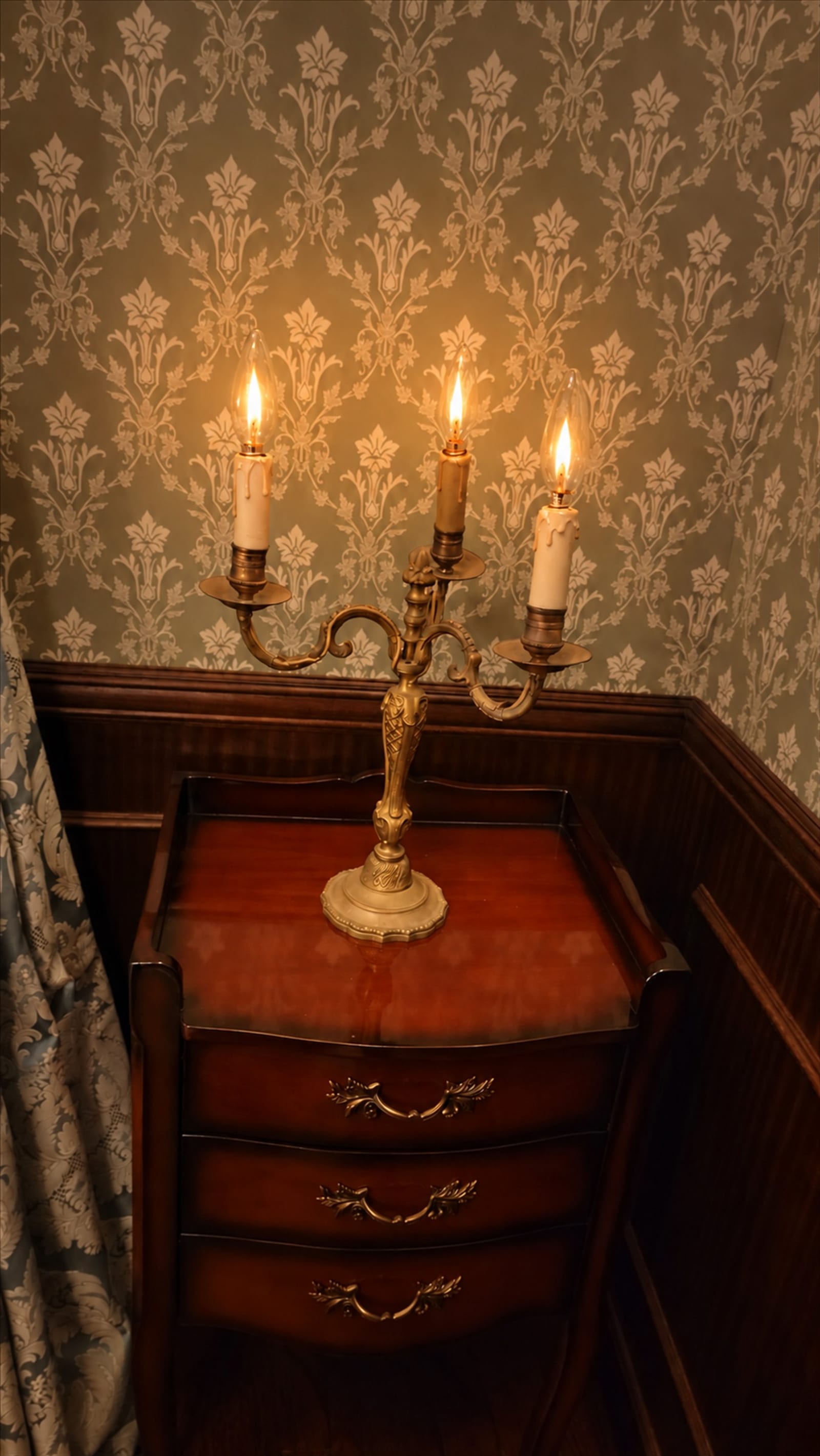
Look at the attire
Learn the types of formal dress and their accessories, and the reasons for matching them to the occasion.
Look at the movement
From the table, the bow and the answer to the bell, read the care shown to the master.
Look at the background
Learn the history and the culture of the house, and trace the origins of the forms that remain today.
Look at the furnishings
See how furniture, silver, porcelain and light support the master's time.
Look at the work
Connect the daily duties behind attire and manners, the responsibility of keeping the house, and the relationship with the Buddy.
What to look for in each scene
- The attire, manner and furnishings the butlers of Queen's Butler actually arrange at the Manor
- How to tell day from evening dress, and the role of white gloves and leather shoes
- The care for the master shown at the table, at afternoon tea, in the bow and at the bell
- The butler's work, the relationship called Buddy, and the stance of the Japan Butler Association
What we ask you not to assume
- Judging the gesture before you by dates or titles alone
- Taking one school of practice as a rule common to every house
- Regarding the butler as one who accepts anything without condition
QWhich article should I start with?
If you are new to the subject, please read "What is a butler?". After that you may proceed from any category: attire if the dress interests you, manners if the gestures do.
QAre the butlers described here only men?
No. Queen's Butler has both male and female butlers in residence. Regardless of gender, we present them as butlers who serve the master and order the house and its time.
QCan the furnishings in the articles be seen at the Manor?
Yes. The silver bell, silver, porcelain, chandelier and fireplace in the articles connect to the furnishings of our Odaiba Manor. The butler guides you in handling them.
QCan I actually experience the butler's attire?
In the Apprentice Butler Experience you wear the full morning-coat ensemble and learn the butler's bearing and manner. As sizes and styles are limited, please enquire in advance.
QAre the history articles original to Queen's Butler?
They are readings written specially for this site.
QCan I follow the articles without knowing the terminology?
Yes. Even for those seeing the attire, manners and furnishings for the first time, we guide you in an order that can be followed from the scene. Any term that catches your interest is explained in the detailed articles of each category.
You may also wish to read
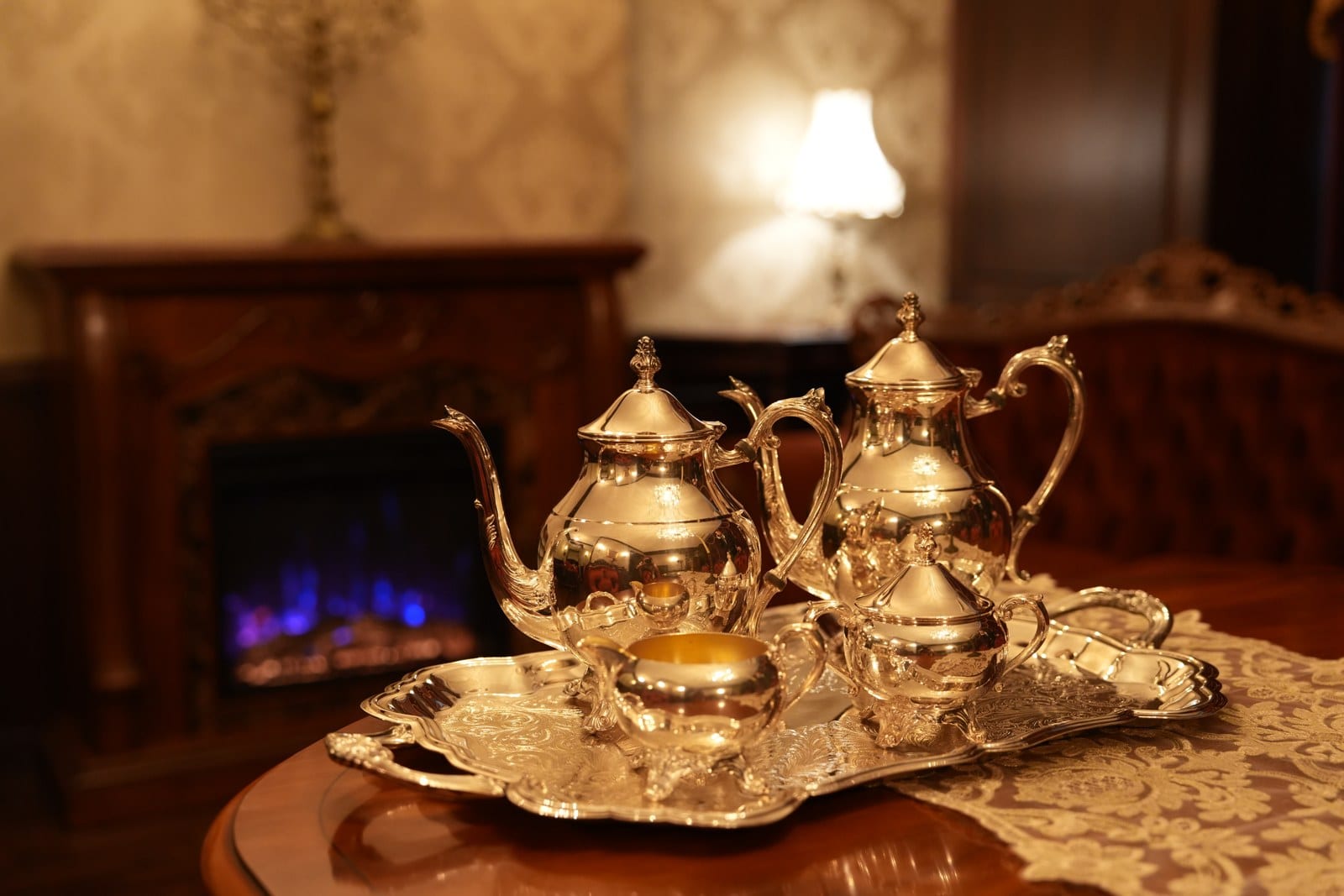


Beyond the readings, the butler awaits you.
If there is attire, a gesture or a furnishing you wish to see for yourself at the Manor, please tell us together with your wishes.