
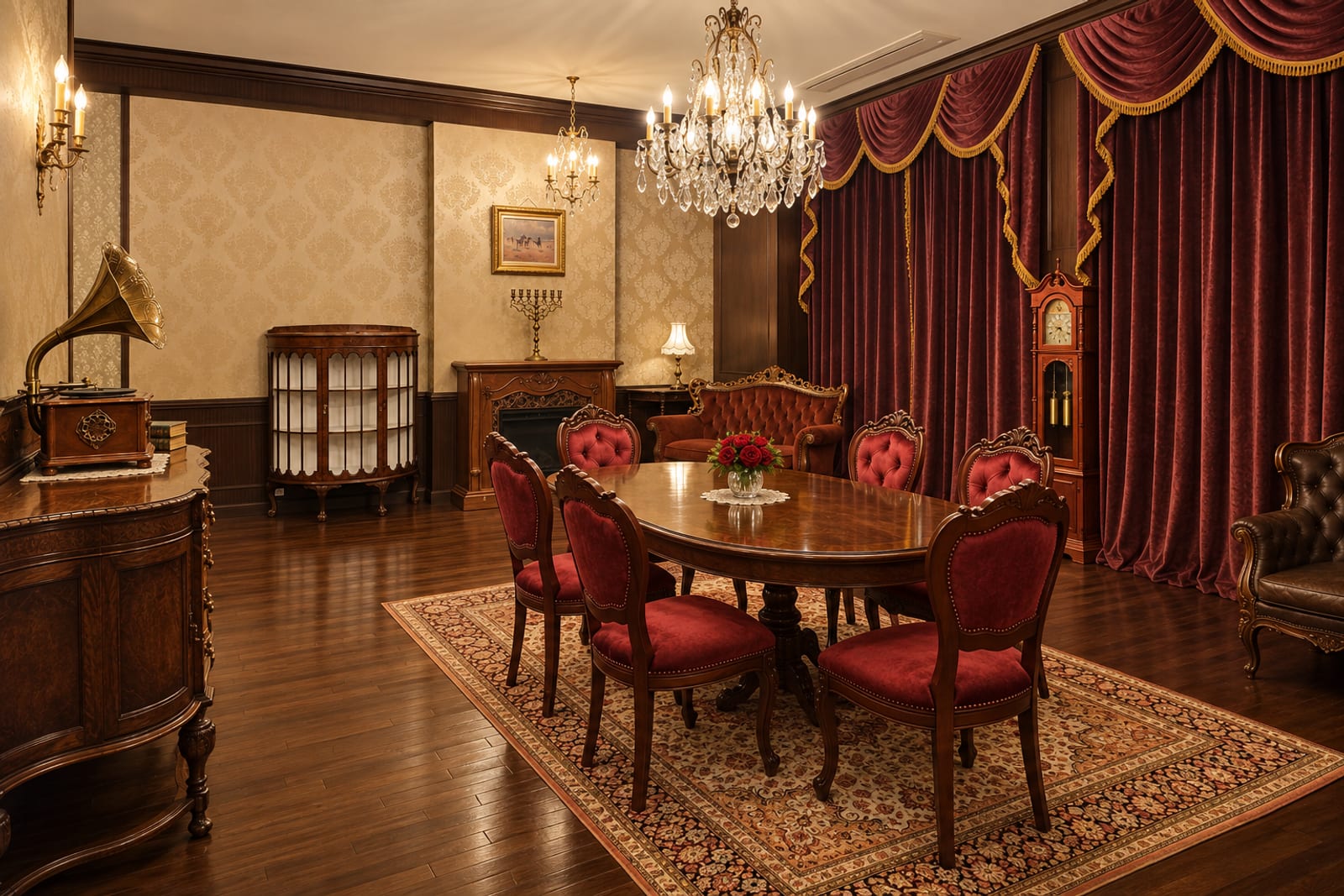
The Manor and Its Furnishings
Know the origins, and the Manor's scenes grow deeper.
About The Manor and Its Furnishings
Knowledge of the Manor and its furnishings means looking at furniture, silver, porcelain, lighting and the hearth not merely as decoration, but reading origin, date of making, style, material and use as separate things. Once you know why a butler handles them in white gloves, a single chair or plate begins to speak of the time layered in the Manor.

A house that does not match too neatly, tended by a butler one piece at a time.
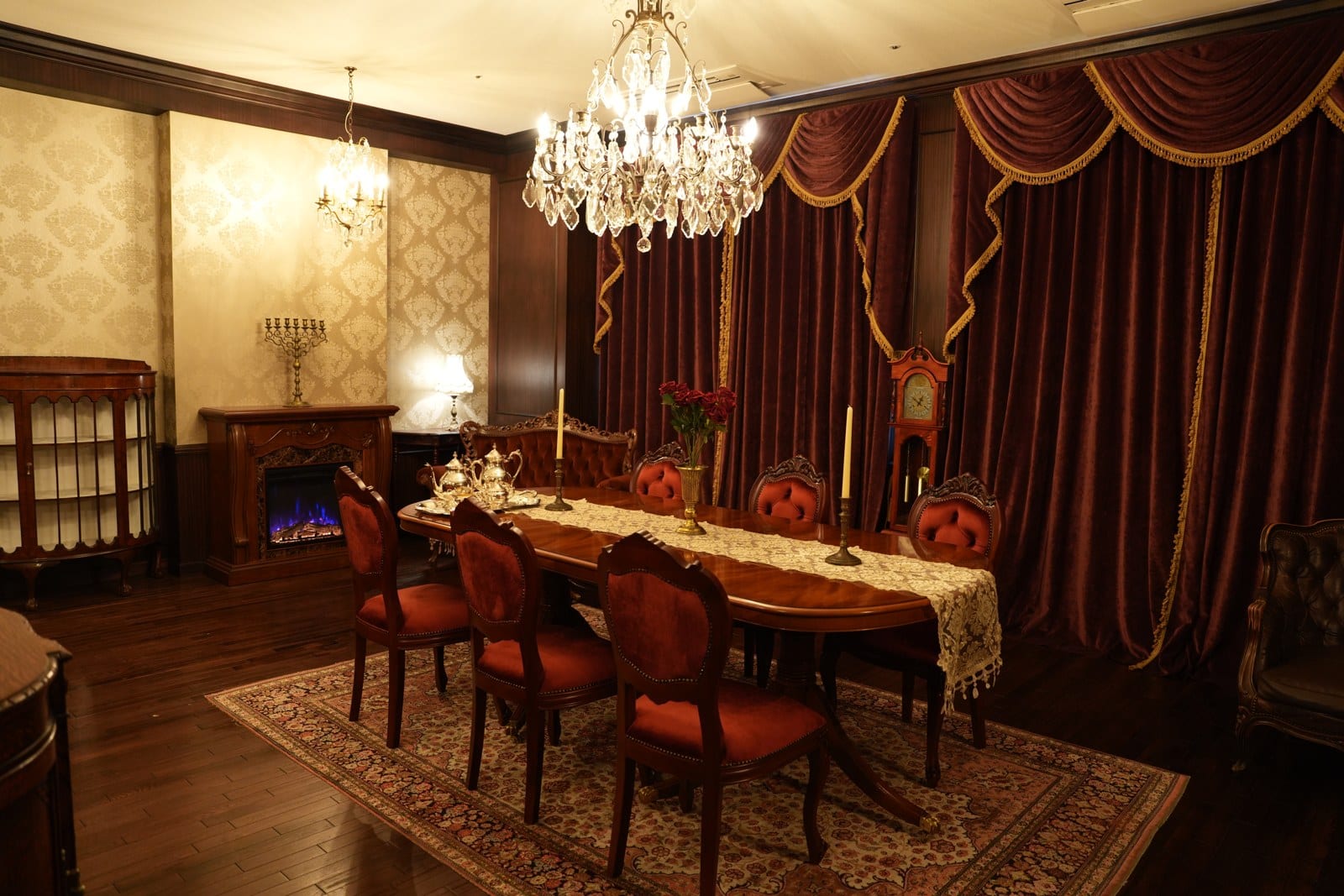
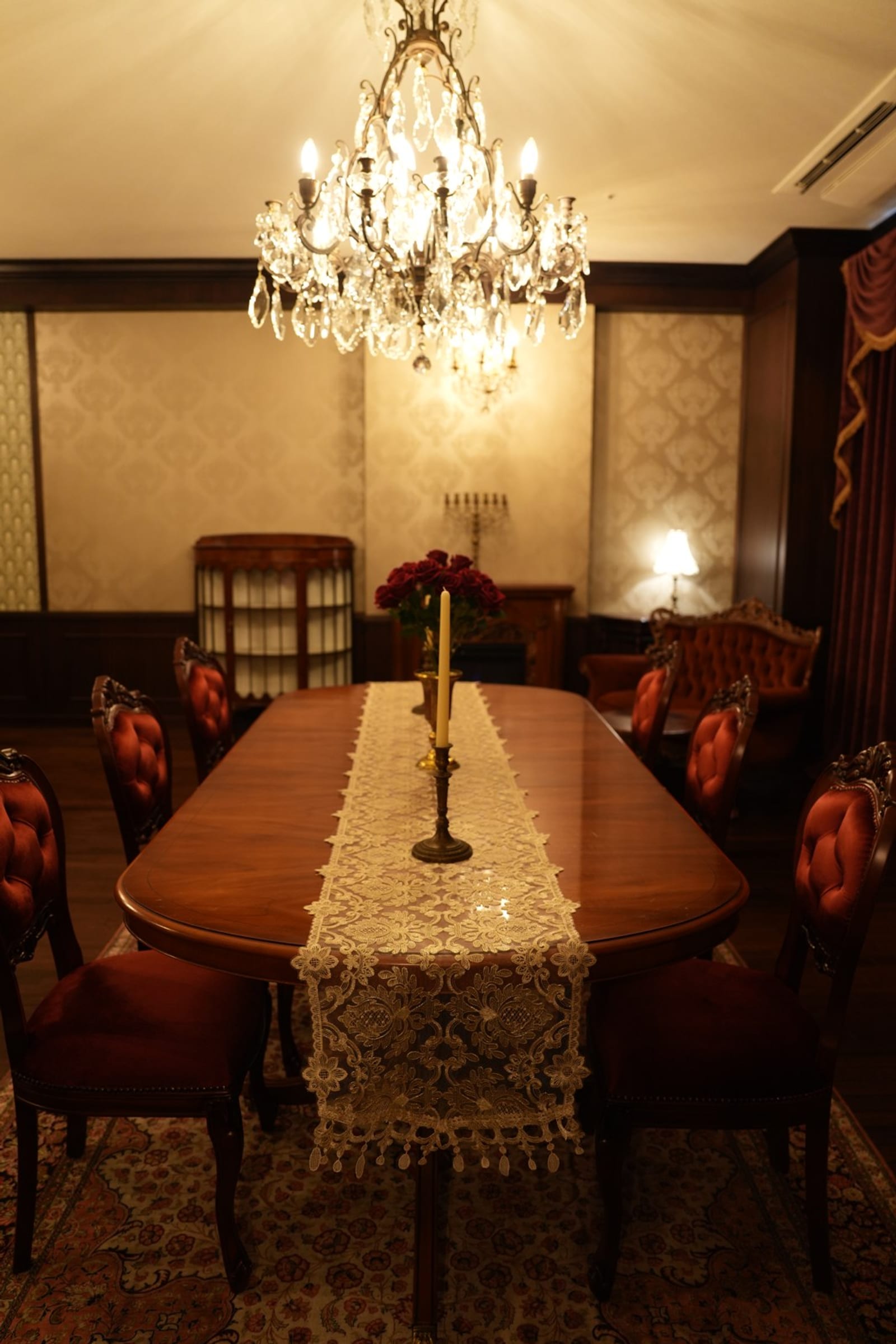
The Manor's concept is a room in an old castle, layering the English manor house with French rococo. The Dining Room, the Study, the Fireplace Room, the Bedroom and the corridor hold furnishings of different periods and origins. Rather than matching everything to one era, the design layers different times, like a house handed down through generations.
A piece of furniture made in the 1980s may carry a form perfected in the 18th century; a modern chair may join English and French design. Look beyond the maker's name to the reason a form came to be.
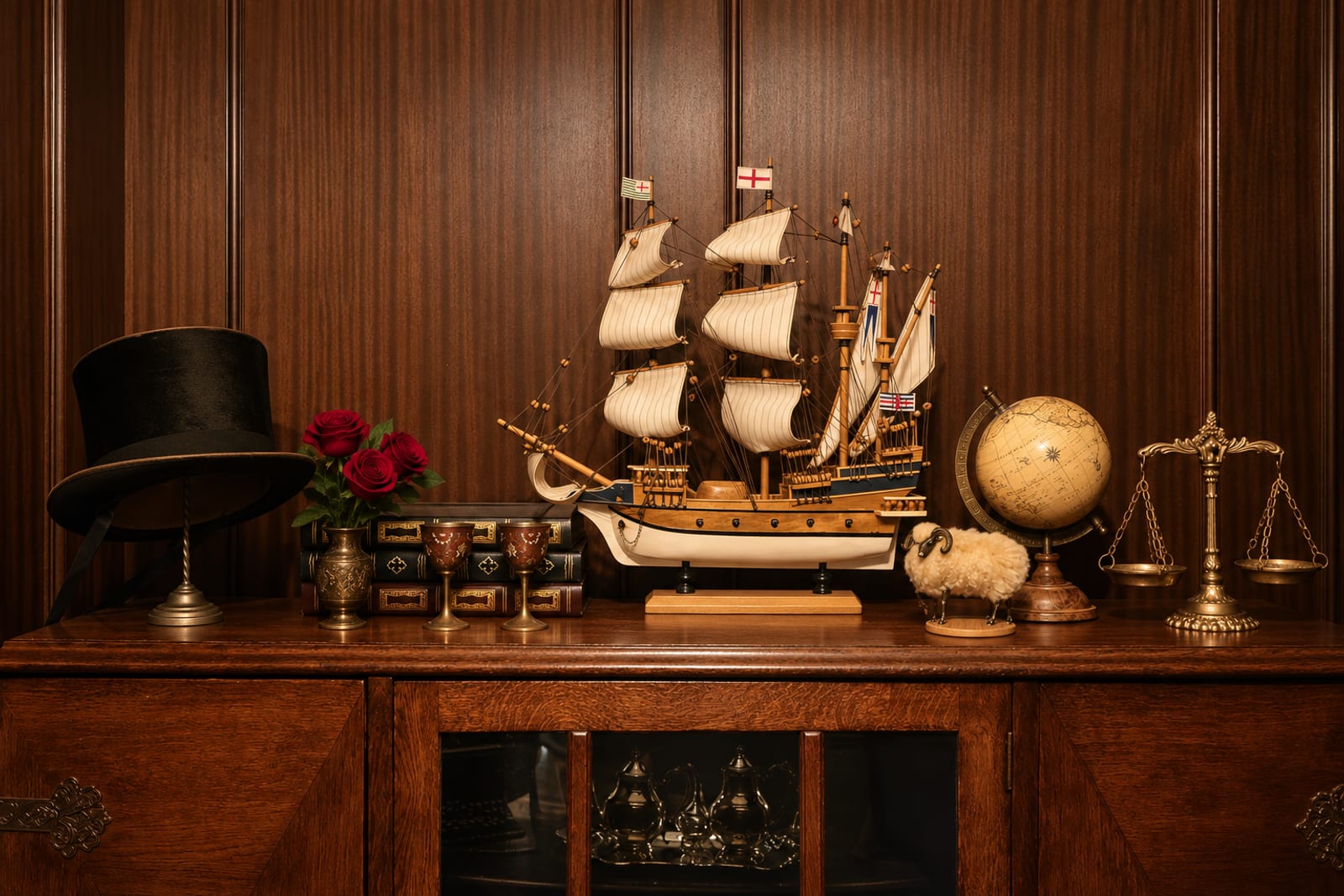
Four doors into reading the Manor
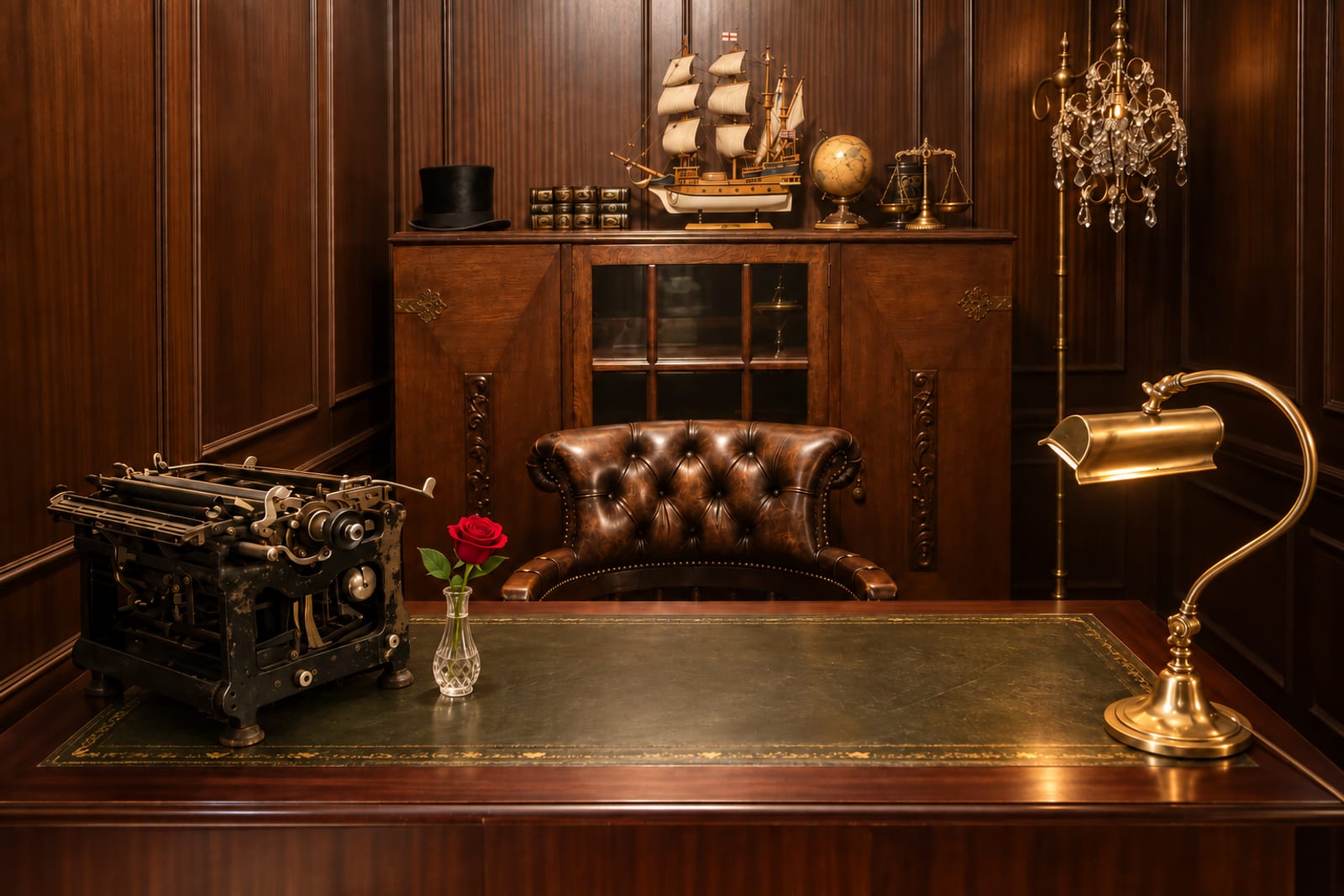
How to Look at Antique Furniture
Forms perfected in the Georgian period, the curves of French rococo, the setting of a Victorian salon. Date, style, material and use, seen separately.
Read more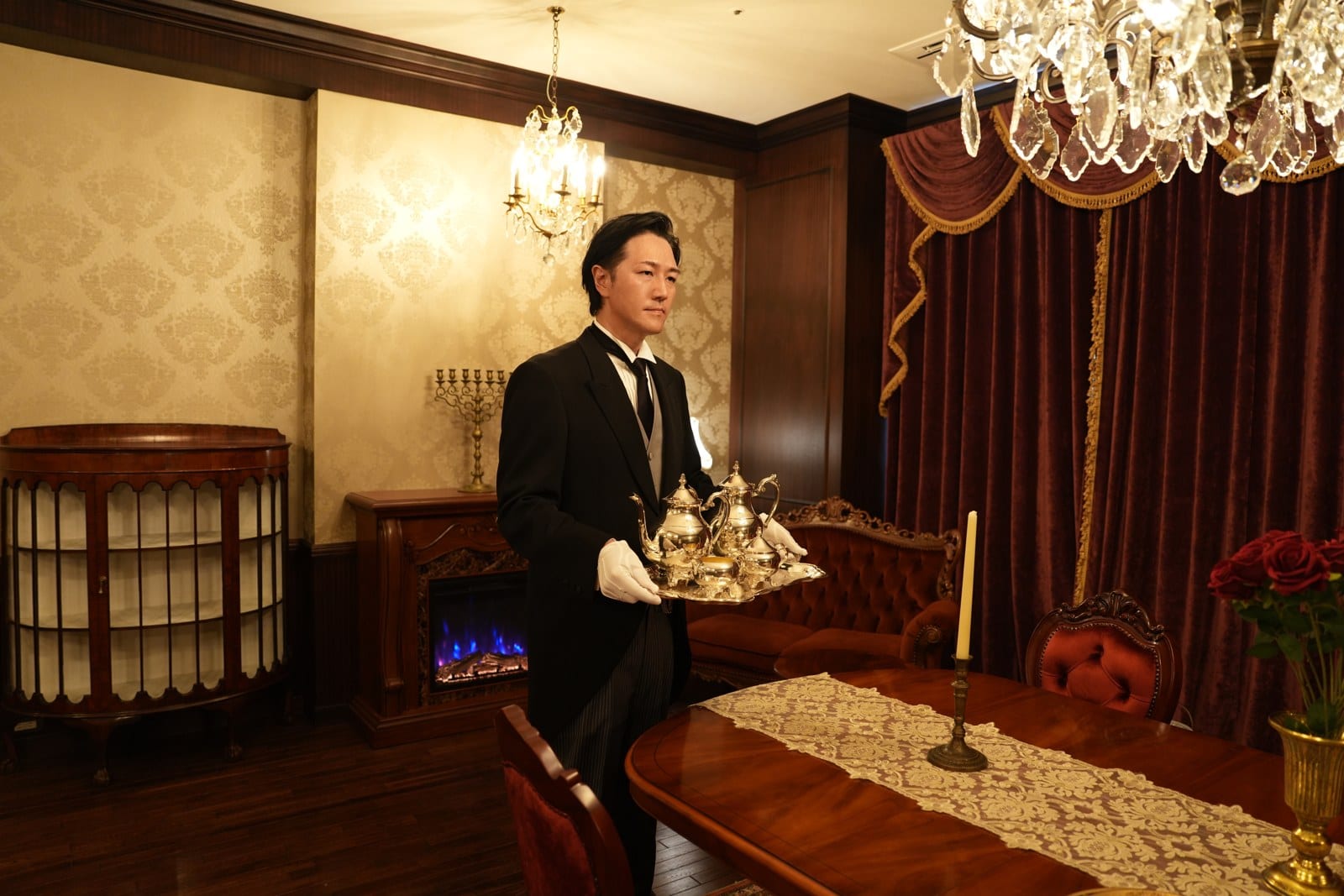
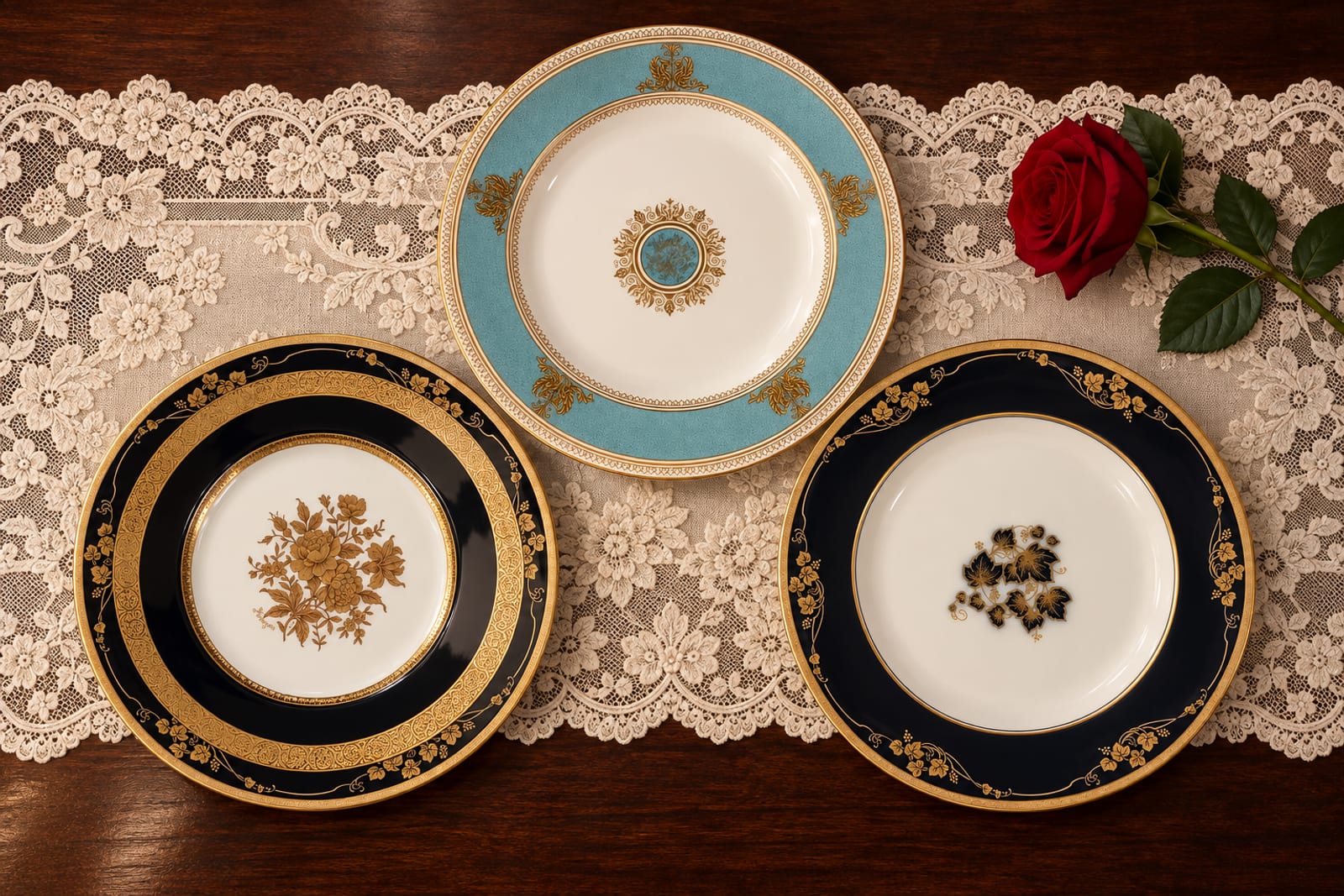
Silver and Porcelain
Christofle Marly, Limoges porcelain, English Wedgwood. The butler's handling, and the origins of pattern and form.
Read more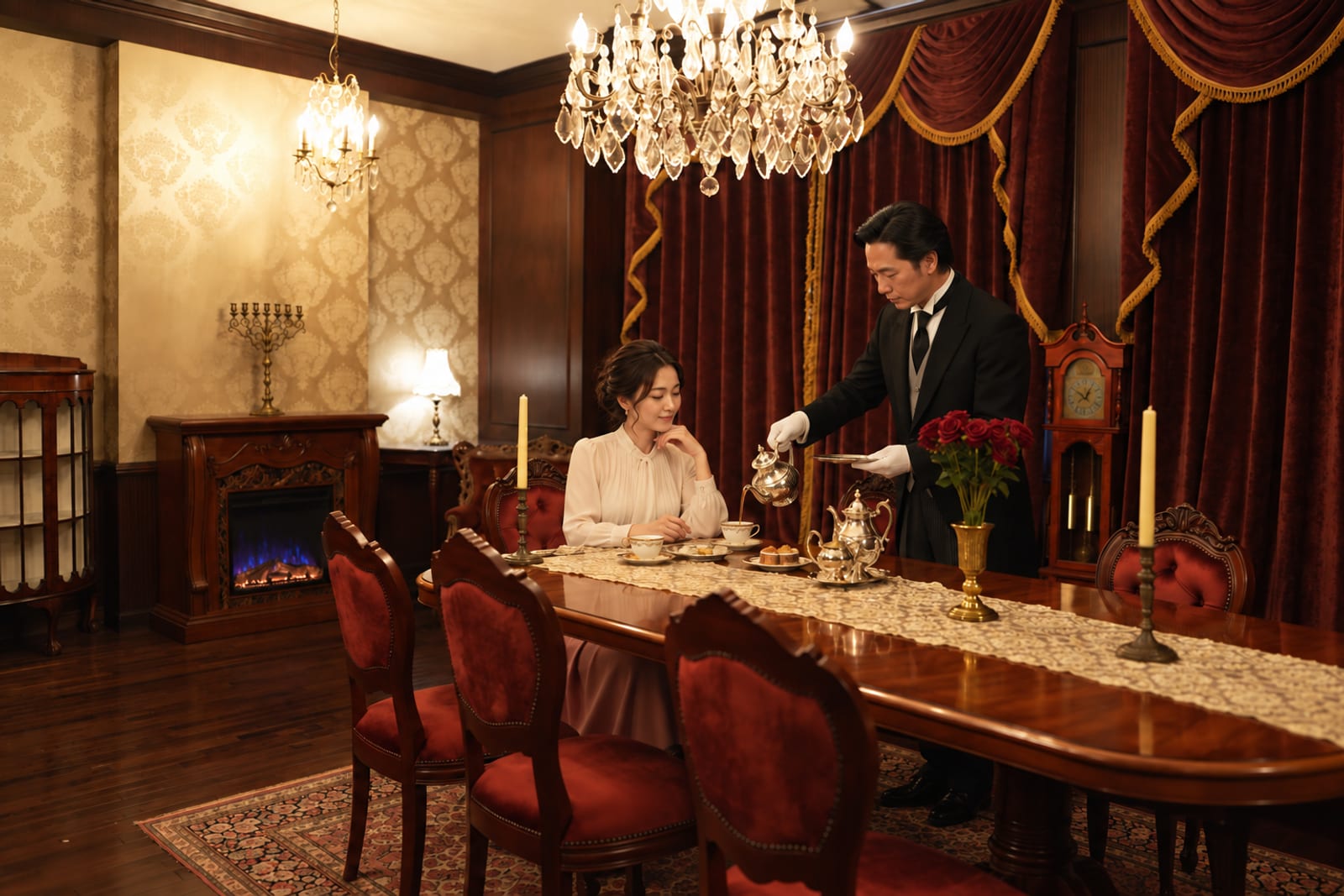
Chandeliers
Around the nine-light Maria Theresa style, the different roles of light in the Dining Room, the Study, the Fireplace Room and the Bedroom.
Read more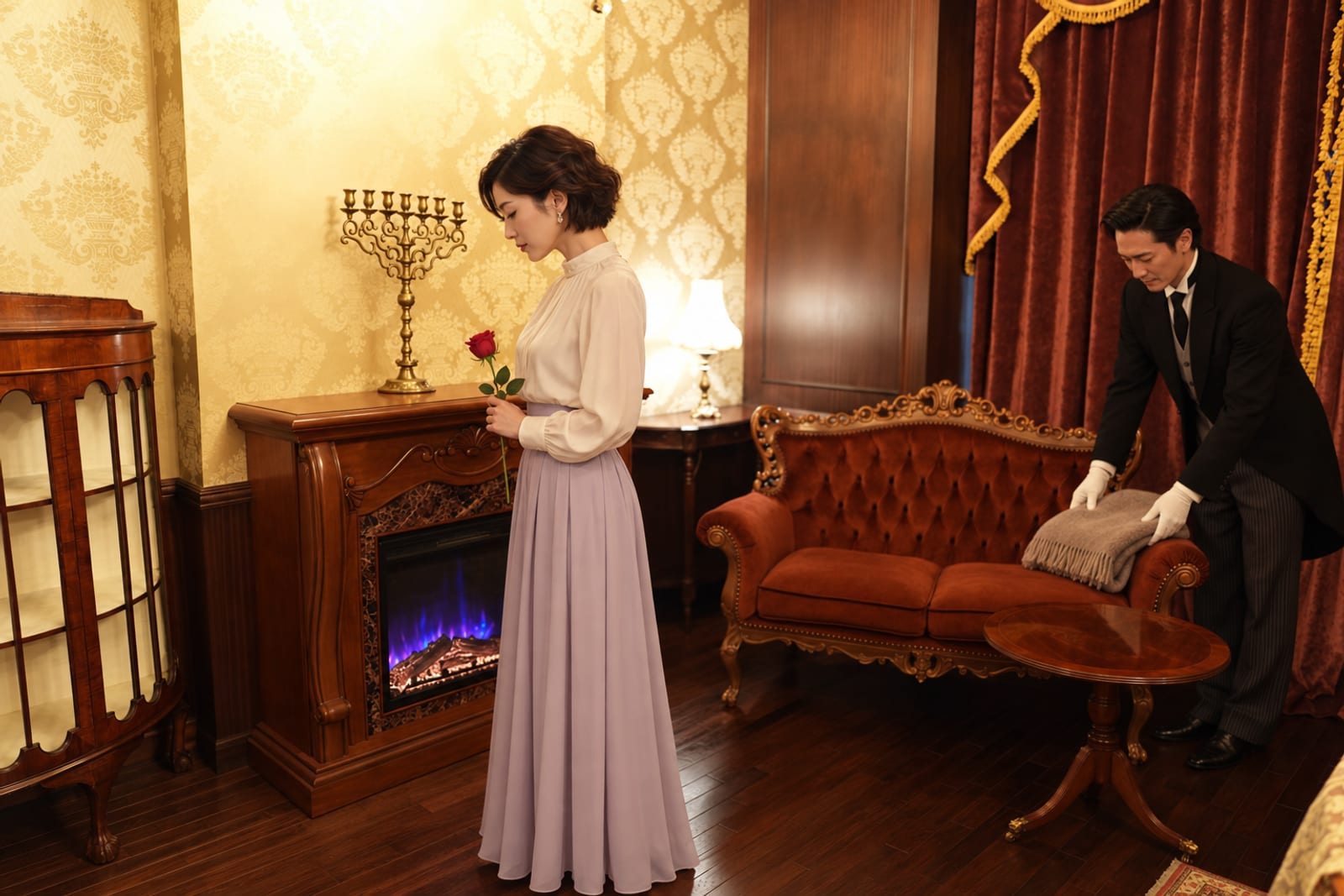
The Fireplace and Mantelpiece
An electric flame, a surround of walnut and marble effect, a mantel clock and candlesticks, a mirror. Reading the centre of a room gathered round the fire.
Read moreFour clues for looking at furnishings
| Clue | What to check | Examples at the Manor |
|---|---|---|
| Date of making | When the piece was made | The English yew table of the 1980s; the French JOGLAR lamp of the 1920s |
| Style | The lineage a form or ornament inherits | The twin-pedestal form perfected in the Georgian period; the Maria Theresa style |
| Material | Touch, lustre, the marks of age | Yew, mahogany, black leather, crystal, silver, porcelain |
| Use | Why it took that shape | A table that seats without legs in the way; a leather top for a quill; a hall clock that tells the hour |
The name of a style does not necessarily indicate the date of making.
The order a butler follows before a single piece
First, take in the whole outline
Curved or straight, symmetrical or not, where it stands in the room. Before touching, your butler confirms the relation of the piece to its space.
Look at material and making
Grain, leather, gilding, the setting of crystal. In the traces seen up close, handwork and years of use appear.
Separate date from style
Read the year it was made and the form it inherits as two different things. Keeping these apart is the key to enjoying furnishings without misunderstanding.
Learn its role at the Manor
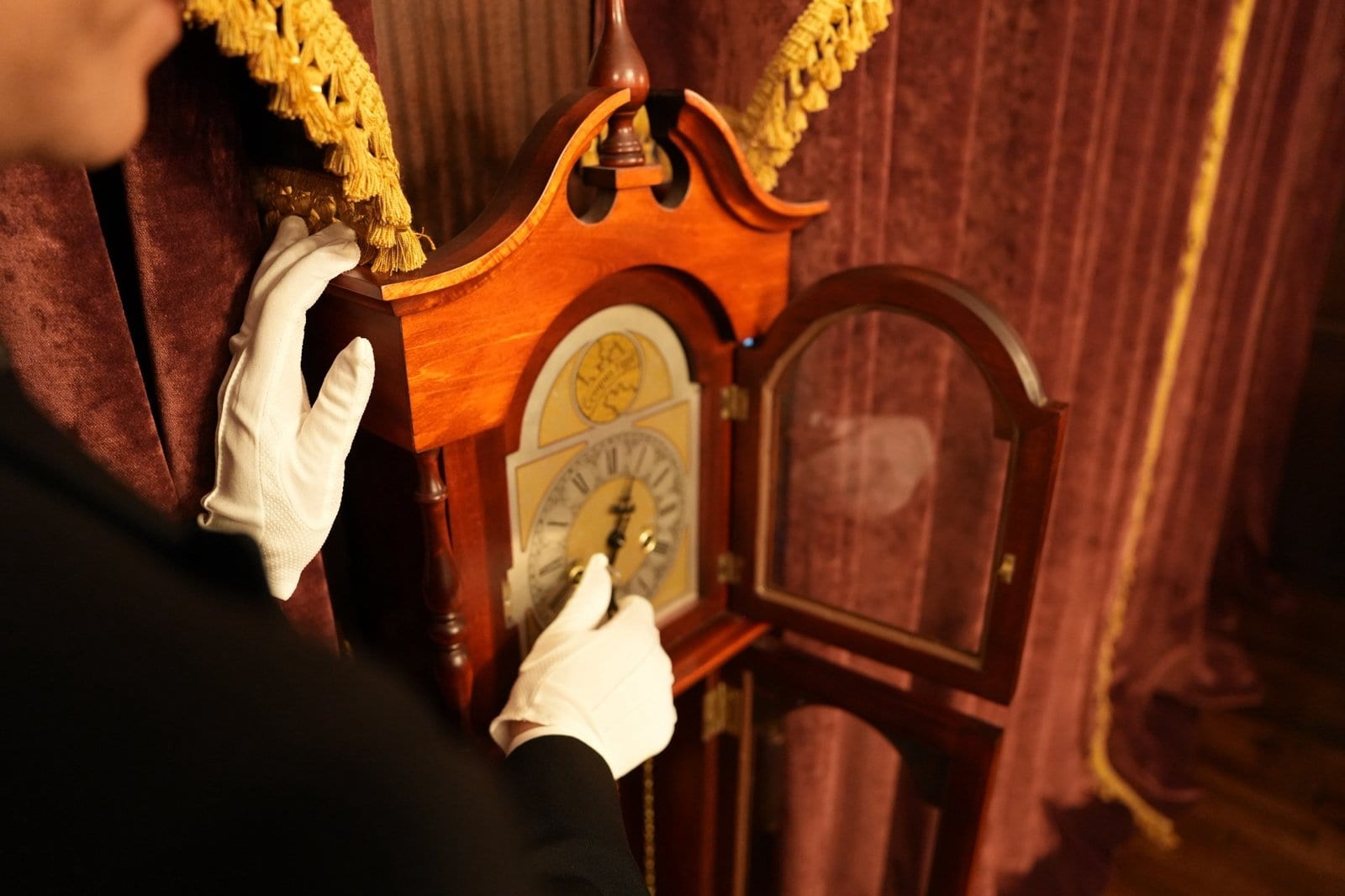
The table receives guests, the silver bell calls the butler, the hearth draws the eye. Knowing the use connects the story to present-day movement.
Join it to human movement
Watch the butler draw a chair, support a vessel, lower the light, and see the role each piece plays in the present hour.
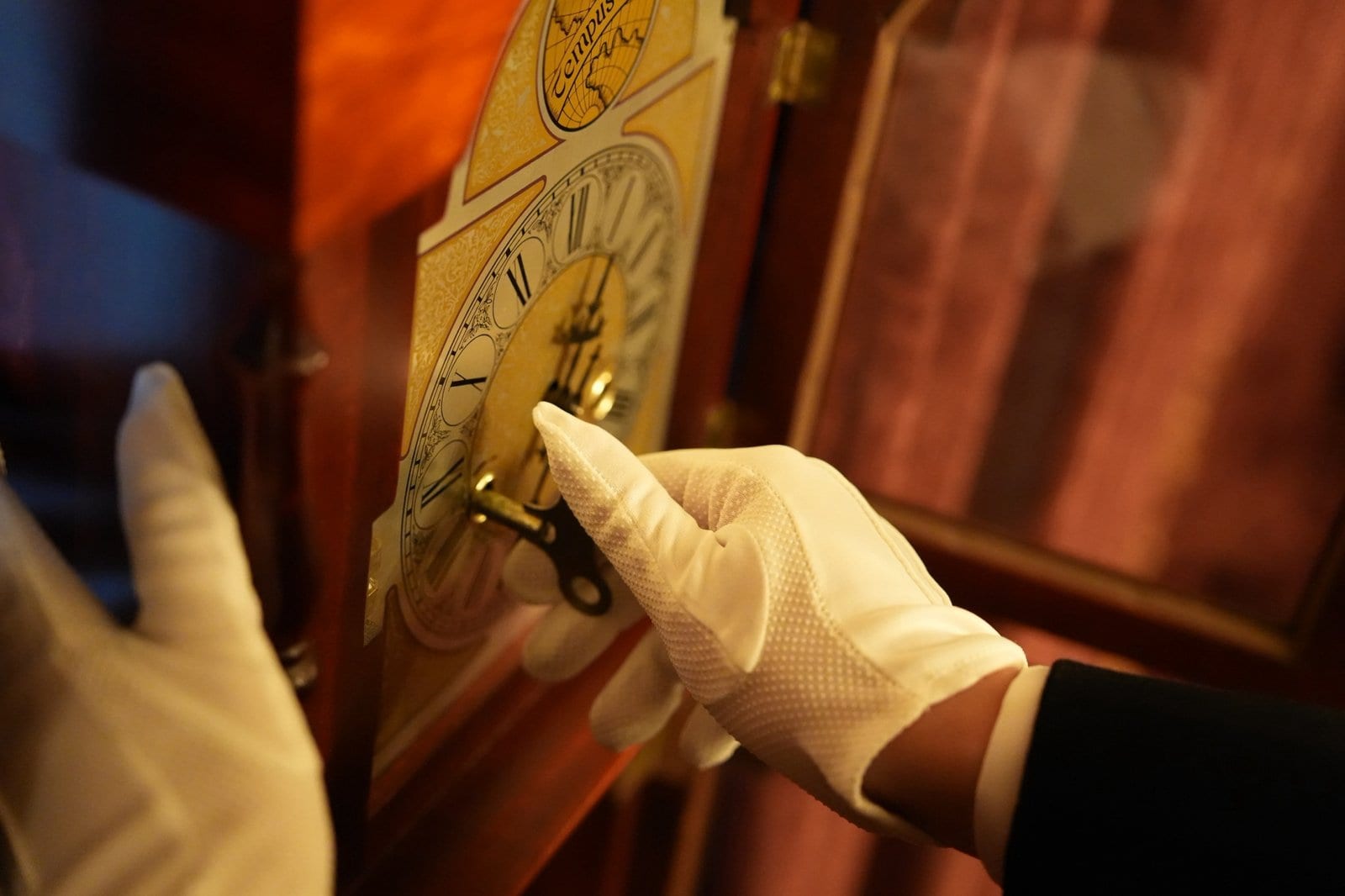
Pieces you may hold come with a way of handling them.
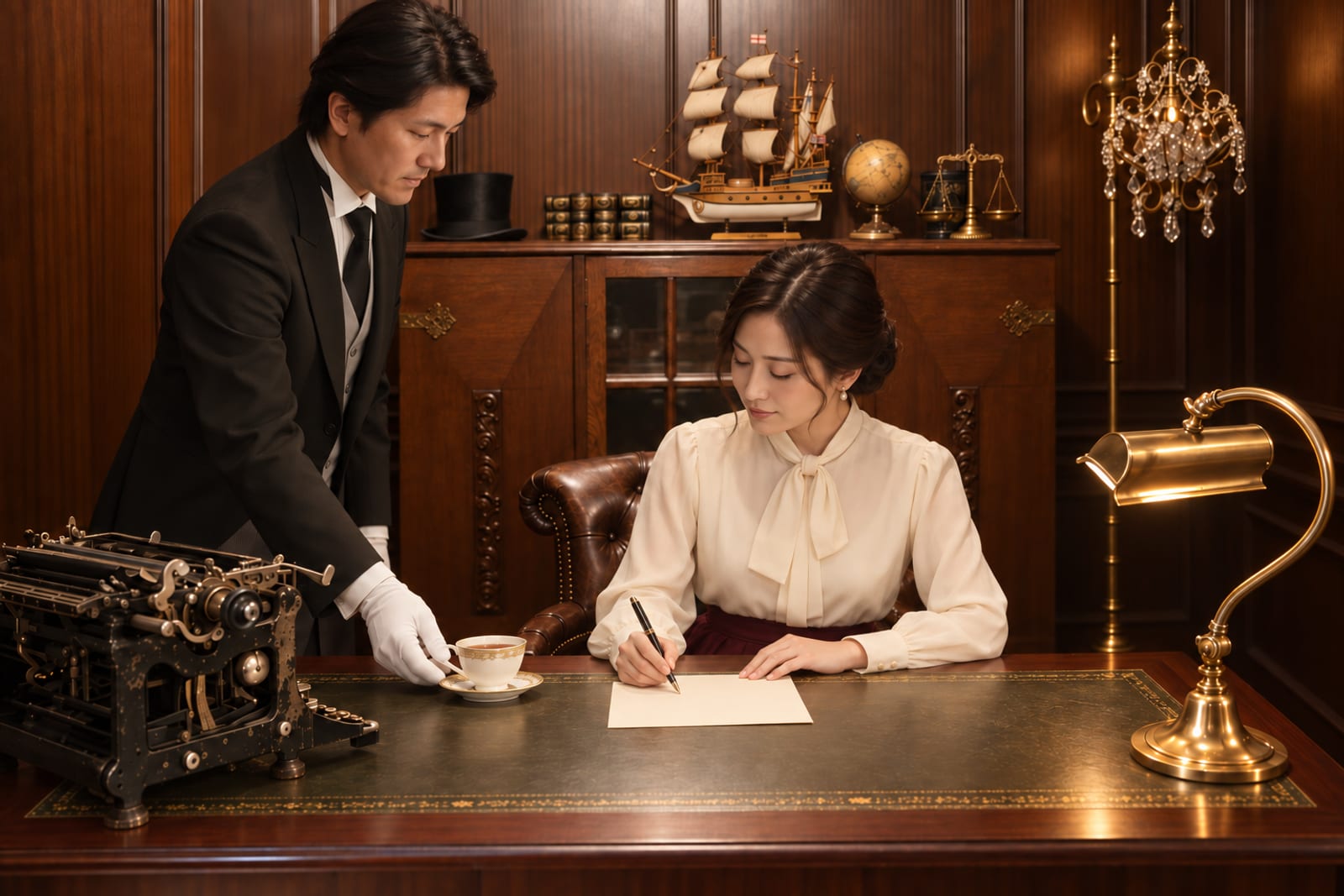
The silver and porcelain of this Manor are not a collection for display alone. Your butler selects from the cabinet, carries in white gloves and sets each piece quietly on the table. You may look closely at the gilded rim and the relief of the pattern.
Our male and female butlers alike value handling that protects the furnishings while using them. The Manor is never let without a butler, and fragile pieces are handled by the butler. If a piece catches your eye, do ask its name.
Read more about the yew table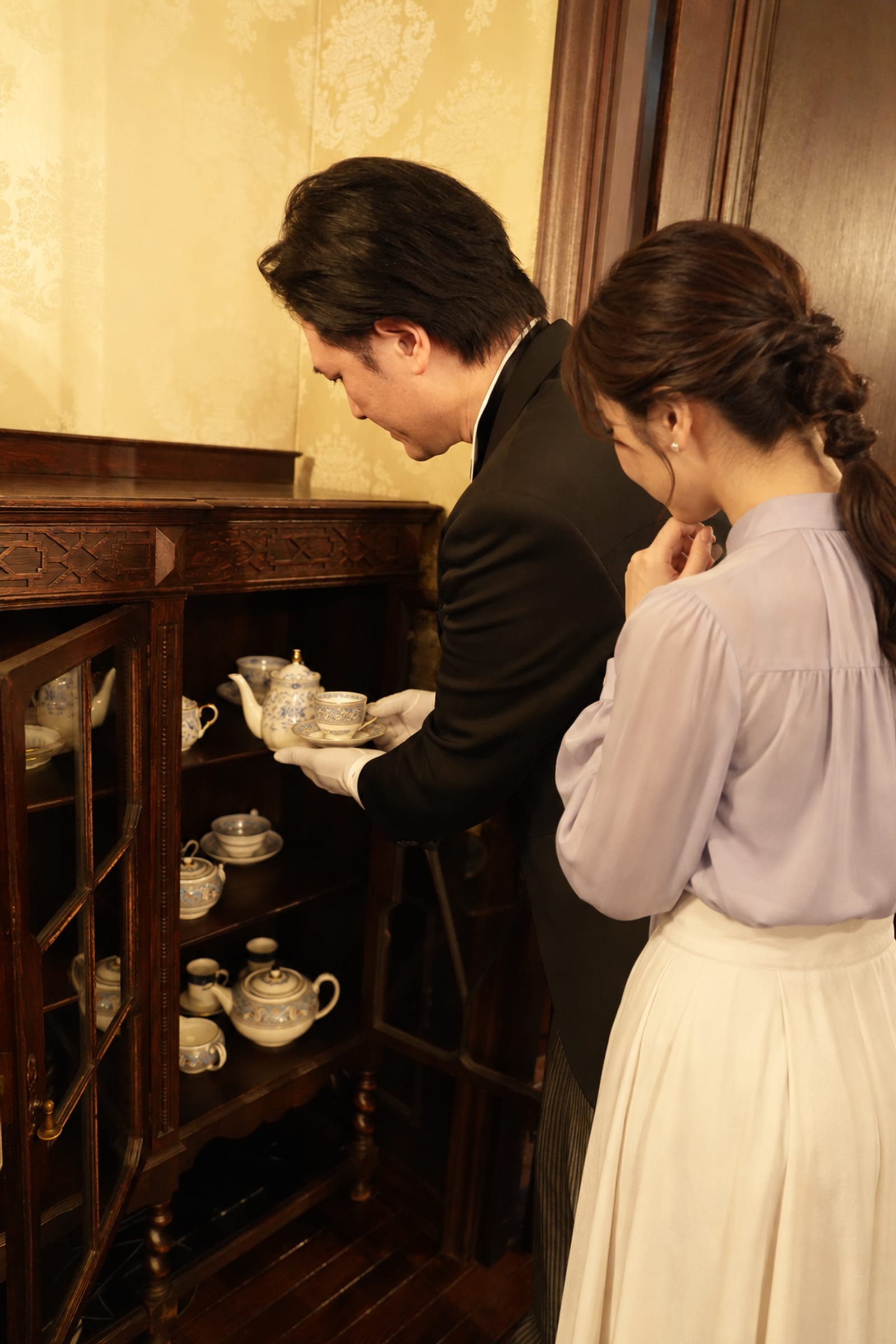
Look beyond the piece to the room in which it stands.
The role of a furnishing combines the beauty of the piece itself with how it guides people through the room. The yew table draws the centre line of the Dining Room, the leather-topped desk receives the hands in the Study, the velvet seat turns the eye to the hearth. The same chair moves people differently as its position changes in relation to door, window and light.
The date of making tells you when a piece was actually made. Before reading out a maker's name, your butler settles where you will look from. After the outline from the front, you move close to grain and gilding, and finally widen your view to where people use it. In this order, even those who know no names can enjoy furnishings through form and use.
On rainy days the light from the windows softens, and the reflections of silver and the deep colours of wood are easier to see. In evening light, crystal and gilding sparkle in fine detail. The butler's guidance is not to change the pieces with the season or weather, but to choose the angle of viewing to suit the day's light.
See the Manor's rooms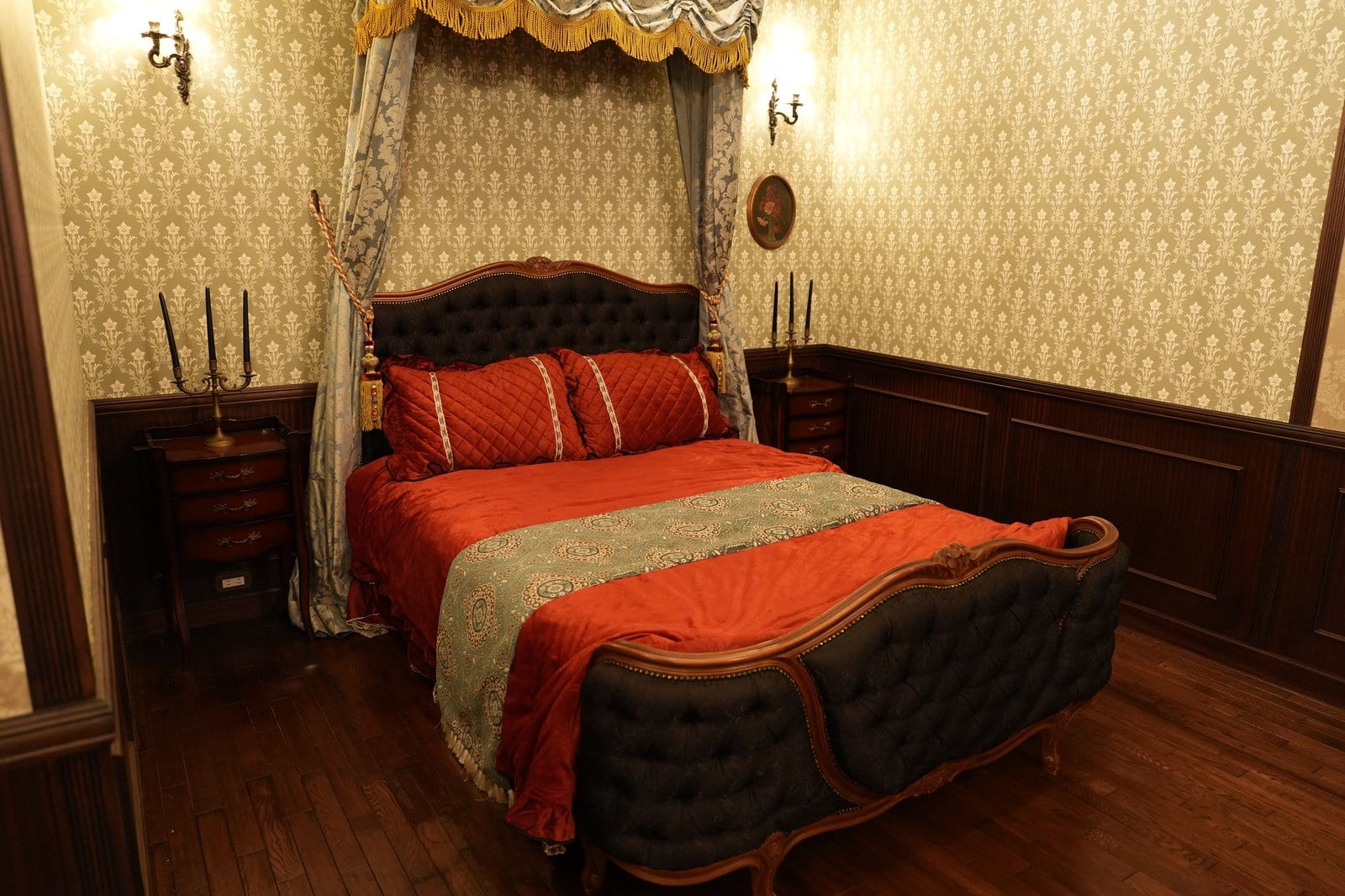
The words for looking at furnishings, set apart from the start
| Date of making | When the piece was actually made. Stated only where records exist |
|---|---|
| Style | The lineage of form inherited by outline and ornament. Not necessarily the same as the date of the piece |
| Origin | The country or region where furniture or porcelain was made. Read apart from the maker's name |
| Material | Wood, leather, cloth, silver, porcelain, crystal: what makes the light and the touch |
| Use | Seating, writing, storage, service, lighting: the work the form carries |
What matters in the guide
- Moving from the whole outline to the detail, and back at last to the piece's role in the room
- Conveying date, style, origin and maker as separate information
- Fragile silver and porcelain taken out and returned to their place by the butler
- Male and female butlers guiding you according to your interests
What the guide does not do
- Presenting the origin of a style as the date of making of a piece
- Judging a piece's worth by price or purchase information
- Moving furnishings without the butler's guidance
QAre all the furnishings from the same period?
No. Different periods and origins are layered: English, French, Italian, Japanese and others.
QAre date of making and style the same thing?
They are not. The date of making is when the piece was made; style is the lineage its form and ornament inherit. There are pieces of 1980s furniture that take a form perfected in the 18th century.
QMay I touch the silver and porcelain?
Under your butler's guidance, you may hold them. Moving and storing fragile pieces is the butler's task.
QMay a female butler guide me through the furnishings?
Yes. Both male and female butlers are on hand. Please tell us when booking, together with the pieces or rooms you wish to see.
QCan I enjoy it without knowing the names of the pieces?
Yes. Your butler guides you from outline, to material, to use. Tell us the colour, curve or gleam that caught your eye, and we lead you to the origin of the piece.
QMay I take photographs while viewing the furnishings?
Please tell your butler your wishes for photographs when booking and on the day. Fragile pieces are moved by the butler, who arranges positions where the furnishings and people's movement do not conflict.
You may also wish to read

Ask your butler about the piece that catches your eye.
At the Manor in Odaiba, we guide you up close through outline, material and origin.