
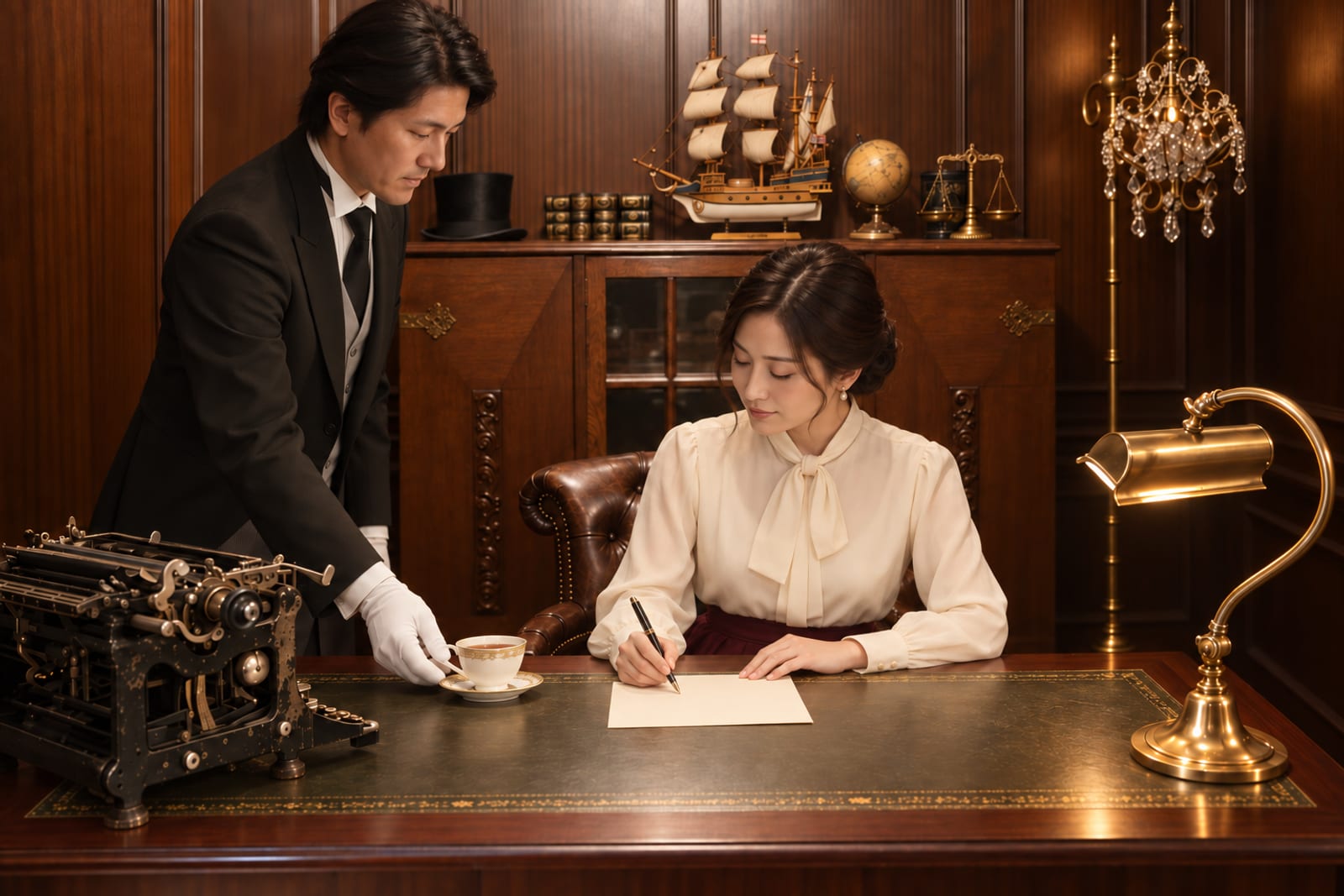
The History of the Butler
From keeper of the bottles to the one who upholds house and lady.
About The History of the Butler
The history of the butler is the story of how a word that once described the keeper of the wine bottles came to mean the office that orders the life of the house and its staff and serves close to the master. We trace that change through four entrances: etymology, the Victorian era, the English manor house, and the attitude of serving a queen.

The word, the house, the office, and the one who is served
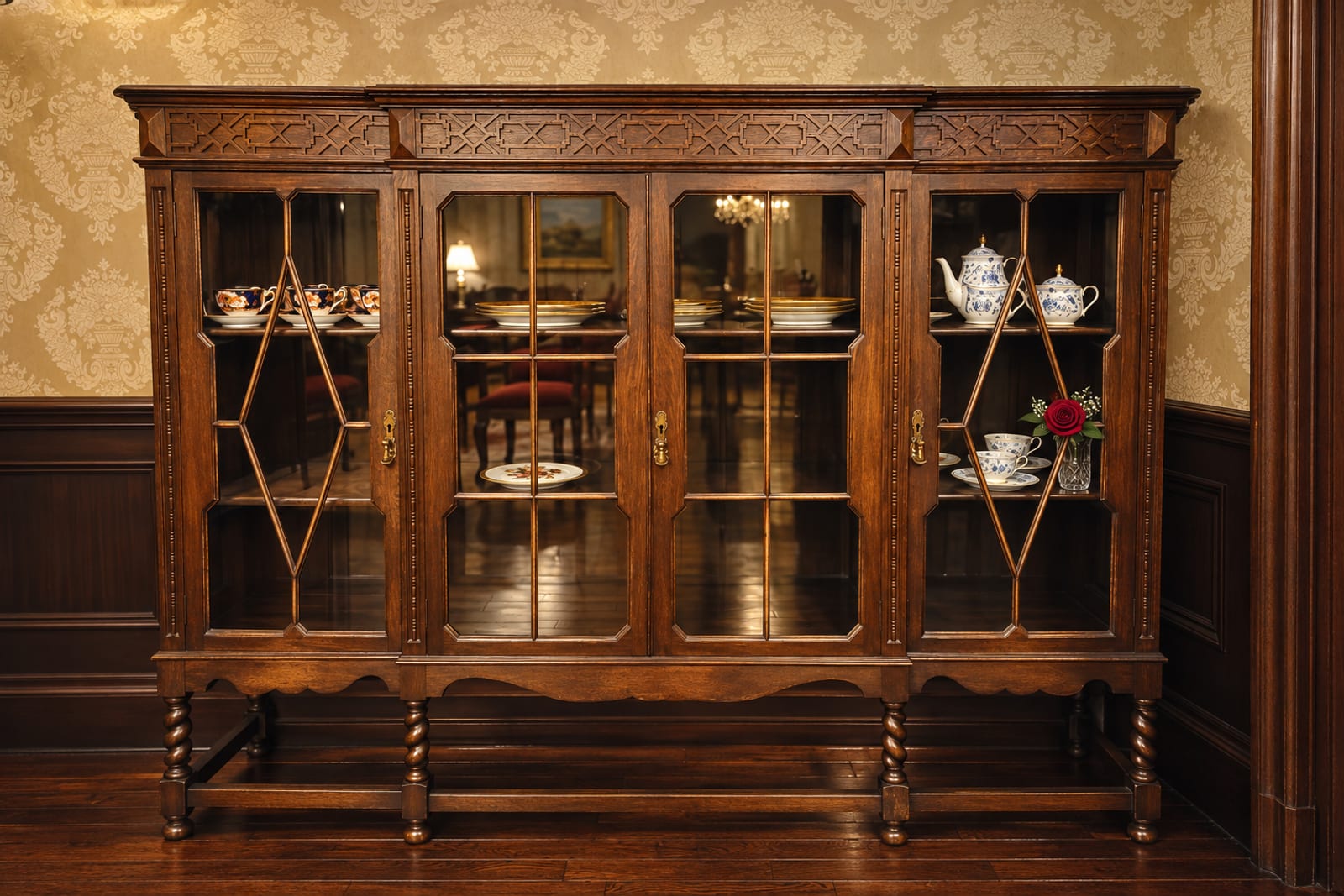
The Origins of the Butler
From the word bouteillier, which leads to butler, we look at the responsibility for the wine bottles and the cellar.
Read more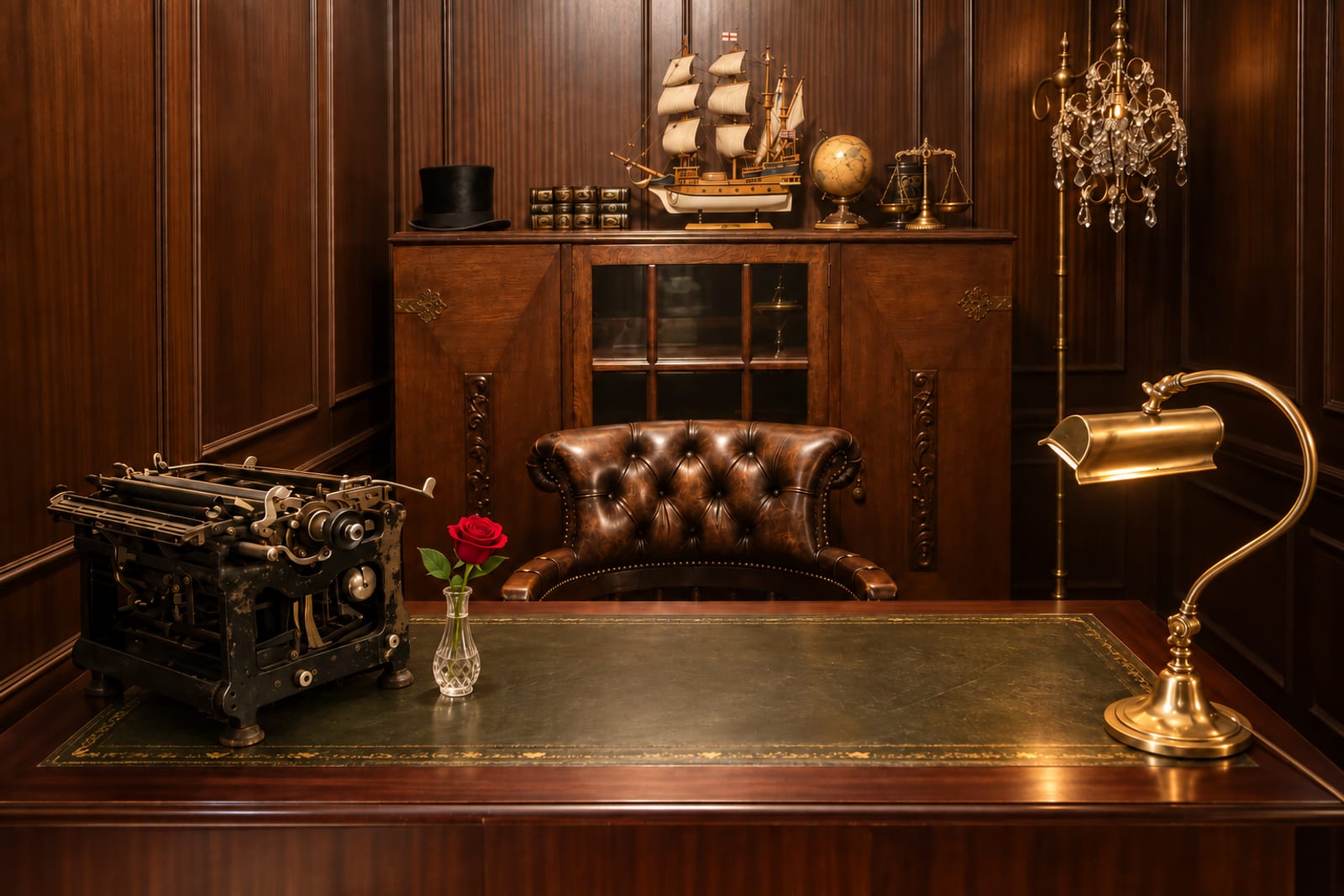
The Victorian Butler
Within the servant hierarchy of a great house, we trace the outline of the butler's duties: leadership, safekeeping and receiving guests.
Read more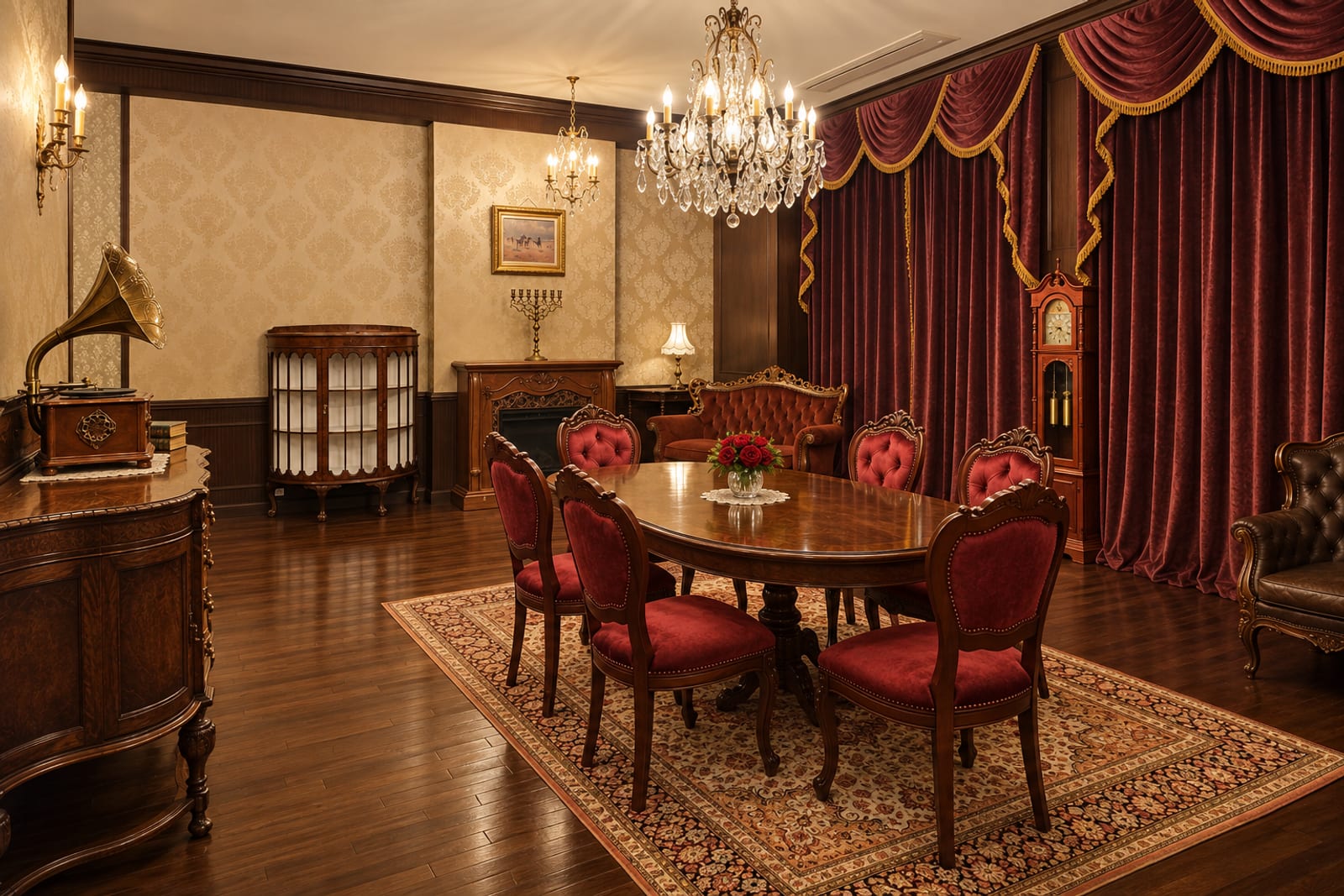
The English Manor House
How the butler drew a house of many rooms and many duties into a single flow of time.
Read more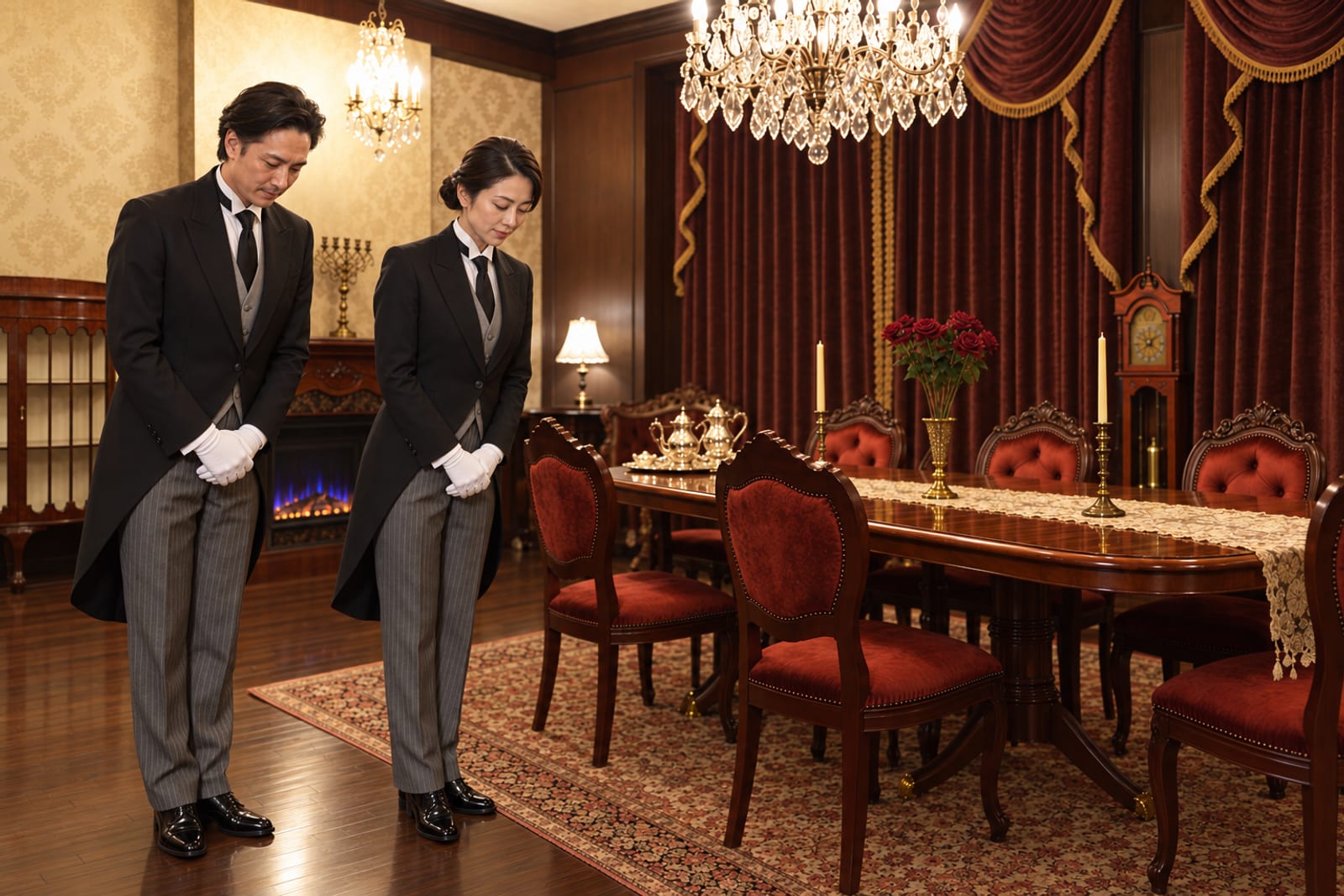
The Queen and the Butler
The queen is the principal; the butler upholds her will and her time. We put the heart of this brand into words.
Read moreTo hold the keys is to hold trust.
The etymology of the butler lies in the French bouteillier, which leads to butler and denoted the keeper of the wine bottles and the cellar. To count, guard and correctly bring forth things of value when needed required the restraint never to treat what the master entrusted as one's own.
The order of a house is a state in which people, objects and hours do not collide, and the master's life continues without interruption. In time, in the great houses, the butler's reach extended to the inside and outside of the doors, the silver and the furnishings, the hours of guests, and coordination with the other servants.
In reading this history, rather than memorising titles in chronological order, we look at what was entrusted and for whom it was kept in order. Wine bottles, silver, doors and the dining table may seem separate things, but they are bound by a single responsibility: to keep them ready for the moment the master requires them.
Read The Origins of the Butler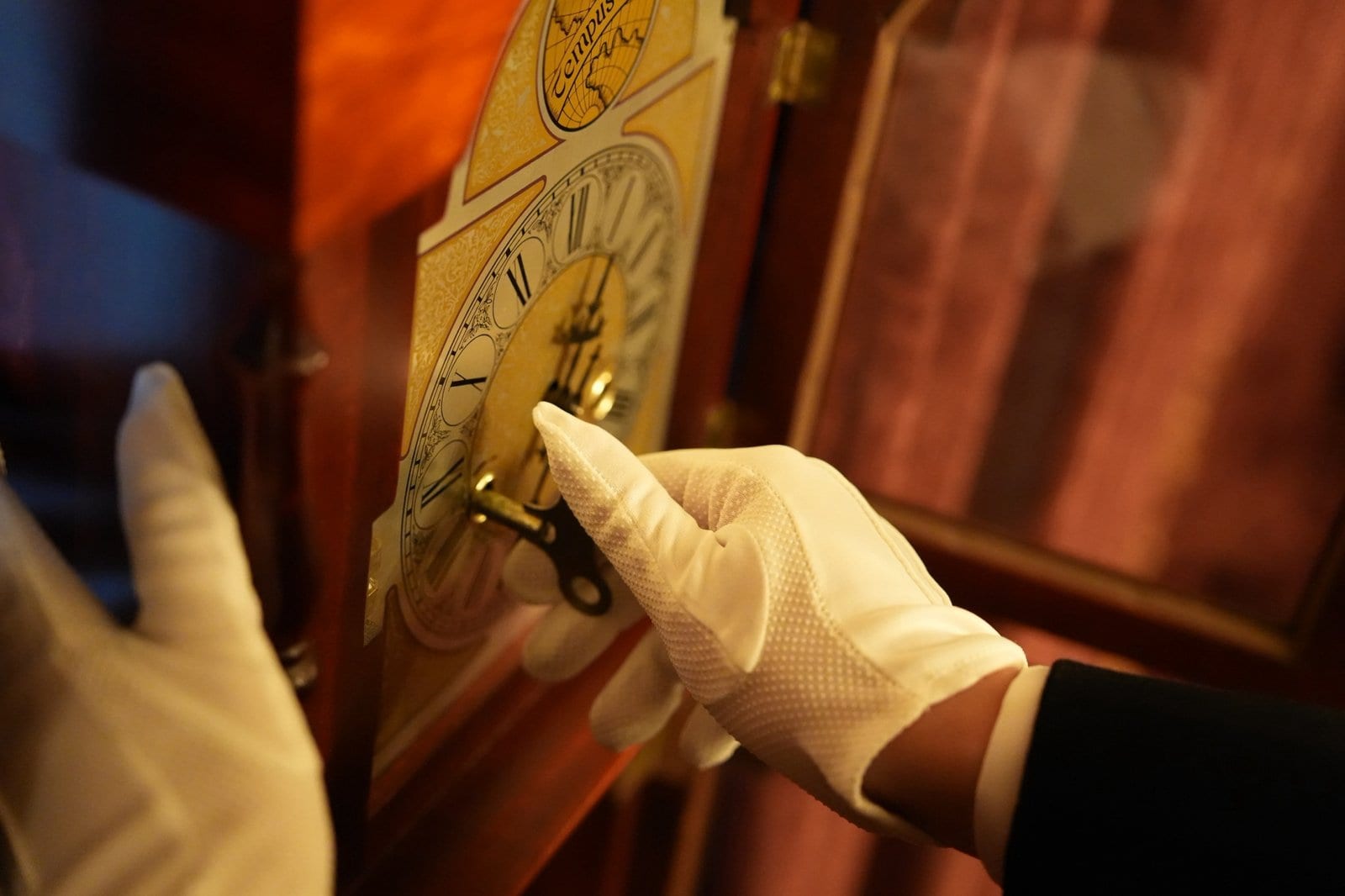
Traced through objects, the widening of the butler's responsibility comes into view.
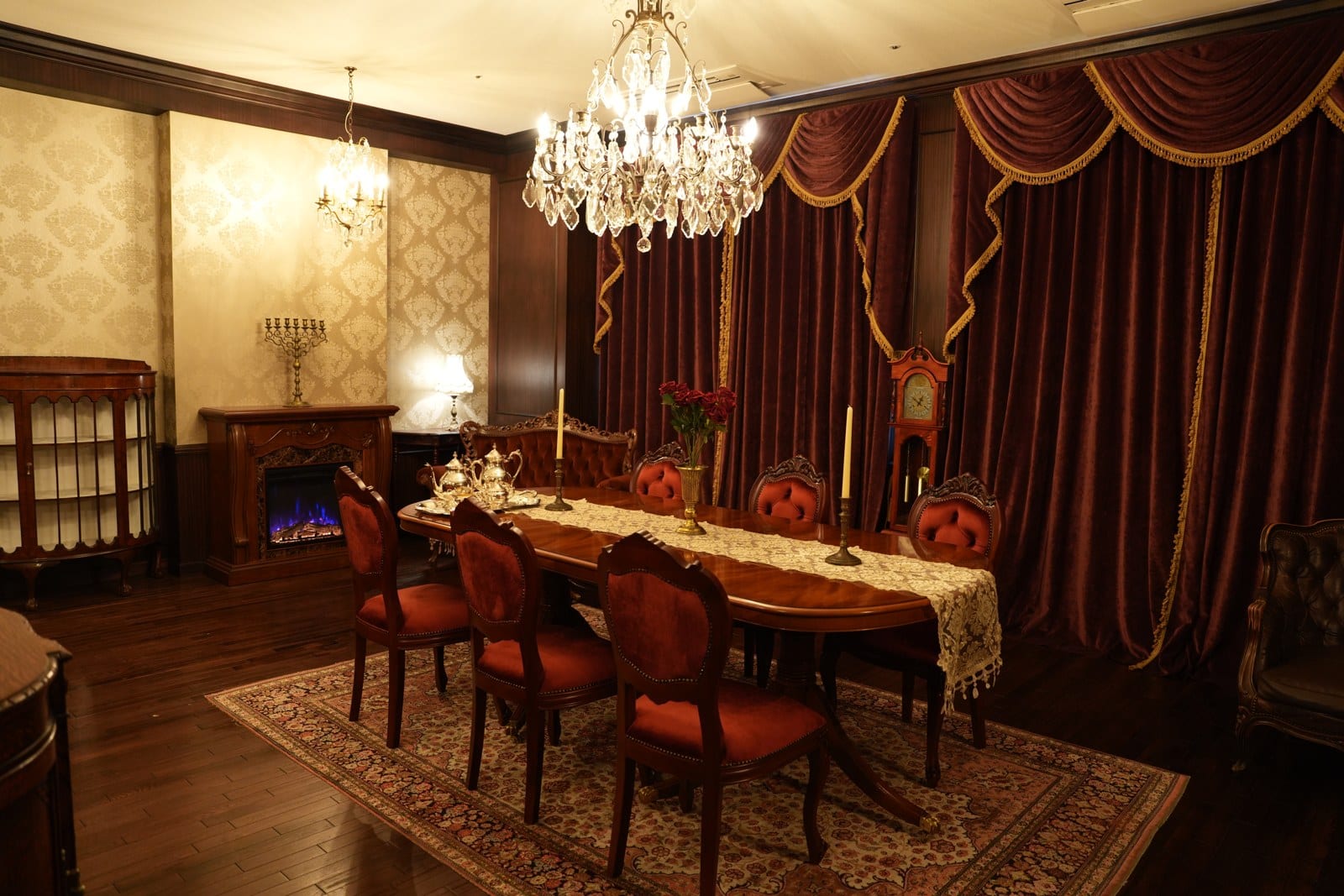
| What to look at | What the butler checks | A clue to reading the history |
|---|---|---|
| Wine bottles and the cellar | Knows their condition and whereabouts, and brings them forth when needed | The archetype of keeping things of value |
| Silver and porcelain | Arranges number, condition and the combination suited to the occasion | Responsibility widening from storage to the ordering of the table |
| Doors and keys | Keeps the hour of welcome and the boundary of the house | The role linking the master's time and the guests |
| The clock and the study | Reads the next engagement and prepares the room and its objects in advance | The viewpoint that binds people, objects and hours |
Actual duties and their division differed according to the era and the size of the house.
A comparison for reading the history
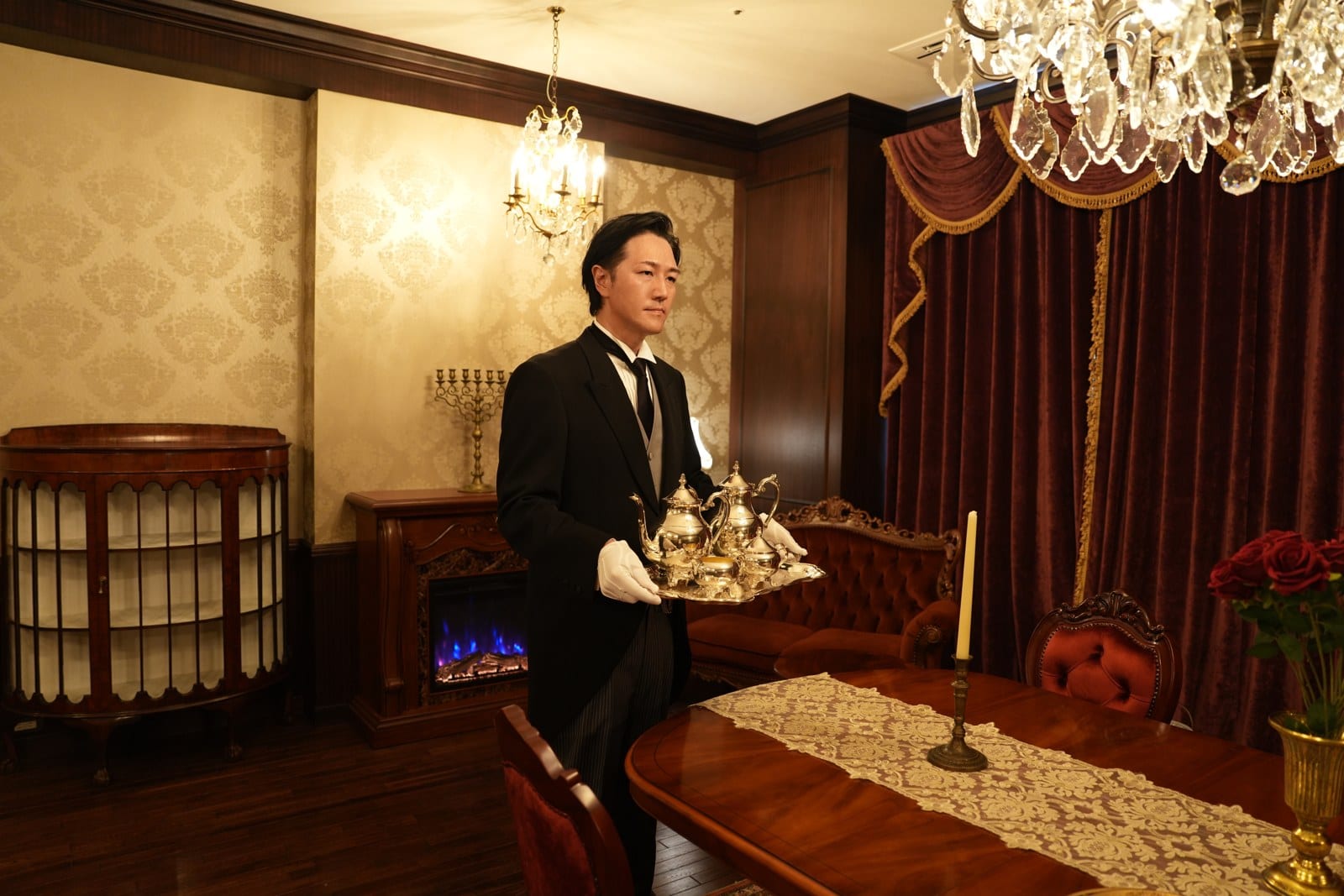
| Perspective | Central role | The butler that emerges |
|---|---|---|
| Etymology | Keeping the wine bottles and the cellar | One entrusted with things of value |
| The Victorian era | Overseeing the duties of the male servants and keeping the house in order | The one responsible for binding people, objects and hours |
| The manor house | Linking the duties of each room with the master's life | The one who upholds the day through unseen preparation |
| Queen's Butler | Attending in accordance with the will of the lady of the house, who is queen | Men and women butlers who let the principal shine |
The actual scope of duties differed according to the life of each era and the size of the house.
History does not end with the attire.
The history of the butler is not only the origin of the tailcoat and white gloves. Reading the hour before the other person, preparing what is needed, waiting at the distance that is asked for: it is this accumulation of responsibility that remains the core today.
At the Manor in Odaiba too, the butler opens the double doors, takes your coat, and prepares the study and the fireplace room. Men and women butlers alike choose when to speak and when to wait in silence, so that your day takes centre stage.
When the silver bell on the table rings, the butler draws near and asks your wishes. The bell is not an ornament of command, but an instrument that quietly links the one who waits with the lady of the house.
The concept of a room in an old castle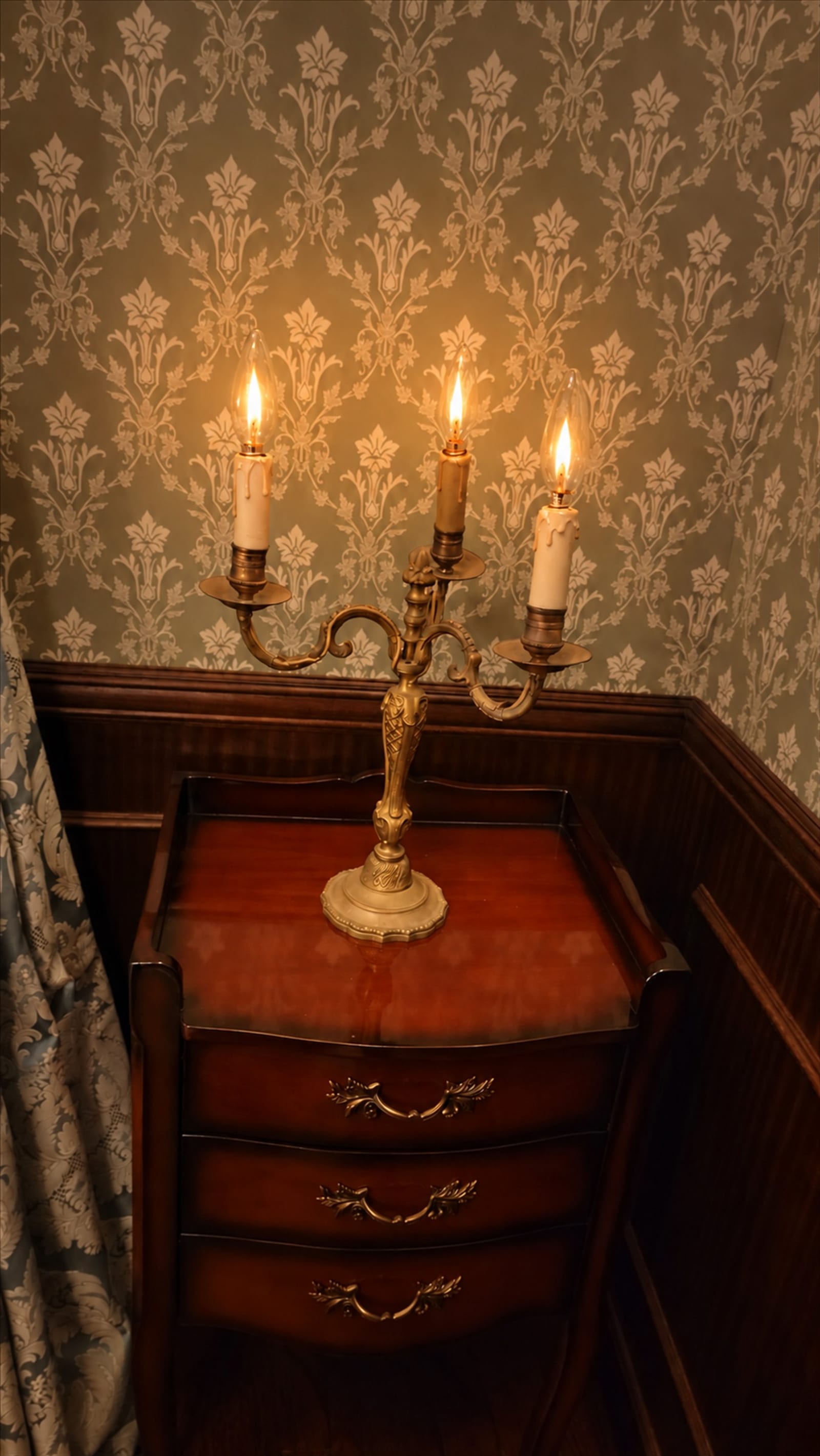
A route through the history
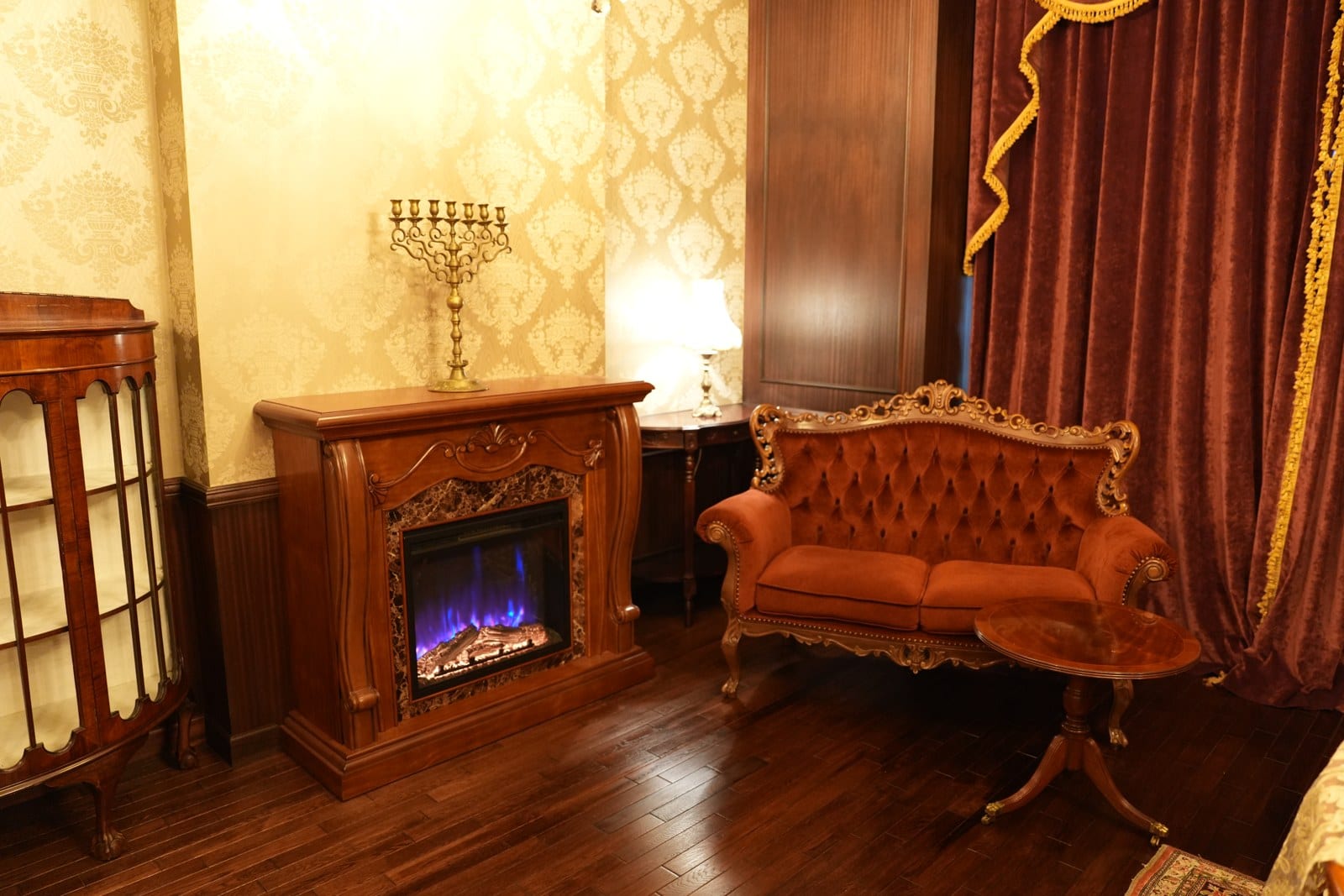
Begin with the word
From the etymology of bouteillier, learn the archetype of entrusted responsibility.
Look at the organisation of the house
Within the Victorian servant hierarchy, confirm the butler's position and coordination.
Turn to the space
Connect the rooms and the daily flow of the English manor house from the butler's point of view.
Look at the one who is served
Confirm that the master is the principal, and the butler the one who upholds her will and time.
Proceed to the heart of the brand
Connect to the attitude of Queen's Butler: the queen is the principal, and the butler serves.
What can be read from the history
- The responsibility of keeping things of value, knowing their condition and whereabouts
- The office of binding the table, guests, doors and hours into the flow of a day
- The viewpoint of ordering many duties in sequence rather than carrying them all alone
- The attitude of placing the master's will at the centre and waiting on the side that upholds it
What should be kept distinct
- Fixing into a single form duties that differed by era and by the size of the house
- Confusing the historical hierarchy of male servants with the composition of our butlers today
- Explaining the whole of a butler's work by the impression of the attire alone
QWas the butler responsible for the whole house from the beginning?
The etymology is held to be linked to the keeping of wine bottles and the cellar. As the size of houses and the organisation of servants changed, the scope of the office widened.
QDid the Victorian butler do everything alone?
In the great houses, many servants divided the duties among them, and the butler stood in the position of overseeing the duties of the male servants. Numbers and divisions differed according to the size of the house.
QAre women butlers included in the history articles?
Yes.
QCan I explore the furnishings of the Manor alongside the history?
Yes. From the article on the English manor house you may go on to the concept of the Manor, and further to the culture of the house and its furnishings. Beyond the beauty of the pieces, see who prepared them and for which occasion.
QIs the history of the butler the same as the history of the attire?
Attire is one clue to the era and the role, but it is not the whole of the history. We also trace the responsibility of safekeeping, the coordination of people and objects, and the office of upholding the master's time.
QIf I am reading for the first time, where should I begin?
First confirm the etymology in "The Origins of the Butler", then proceed to the Victorian era and the English manor house to follow the widening of the role. Finally, "The Queen and the Butler" connects you to the attitude of Queen's Butler.
You may also wish to read
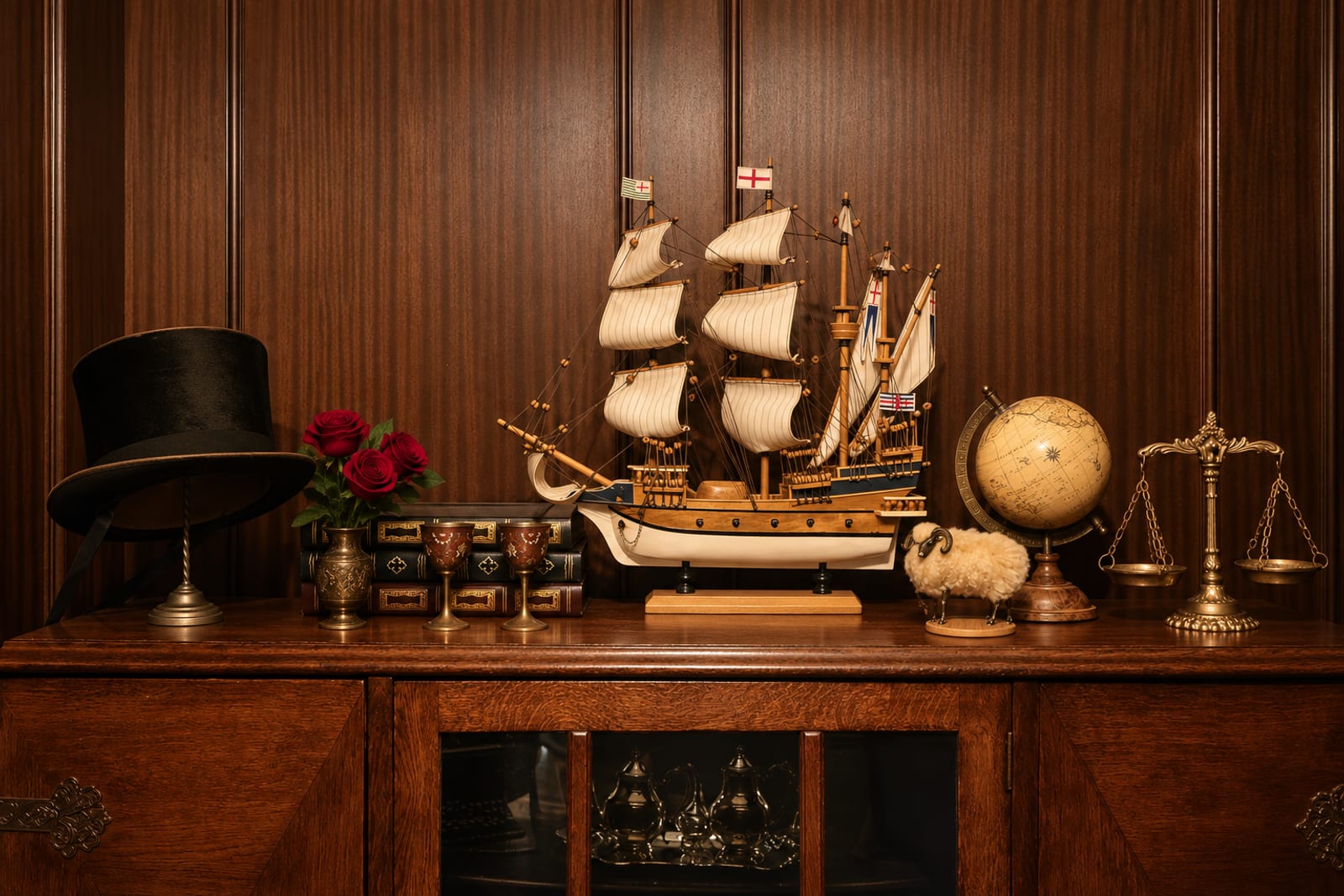
The Culture of the House and Its Furnishings
Furniture, silver, porcelain, lighting and the fireplace, from the butler's point of view.
Read more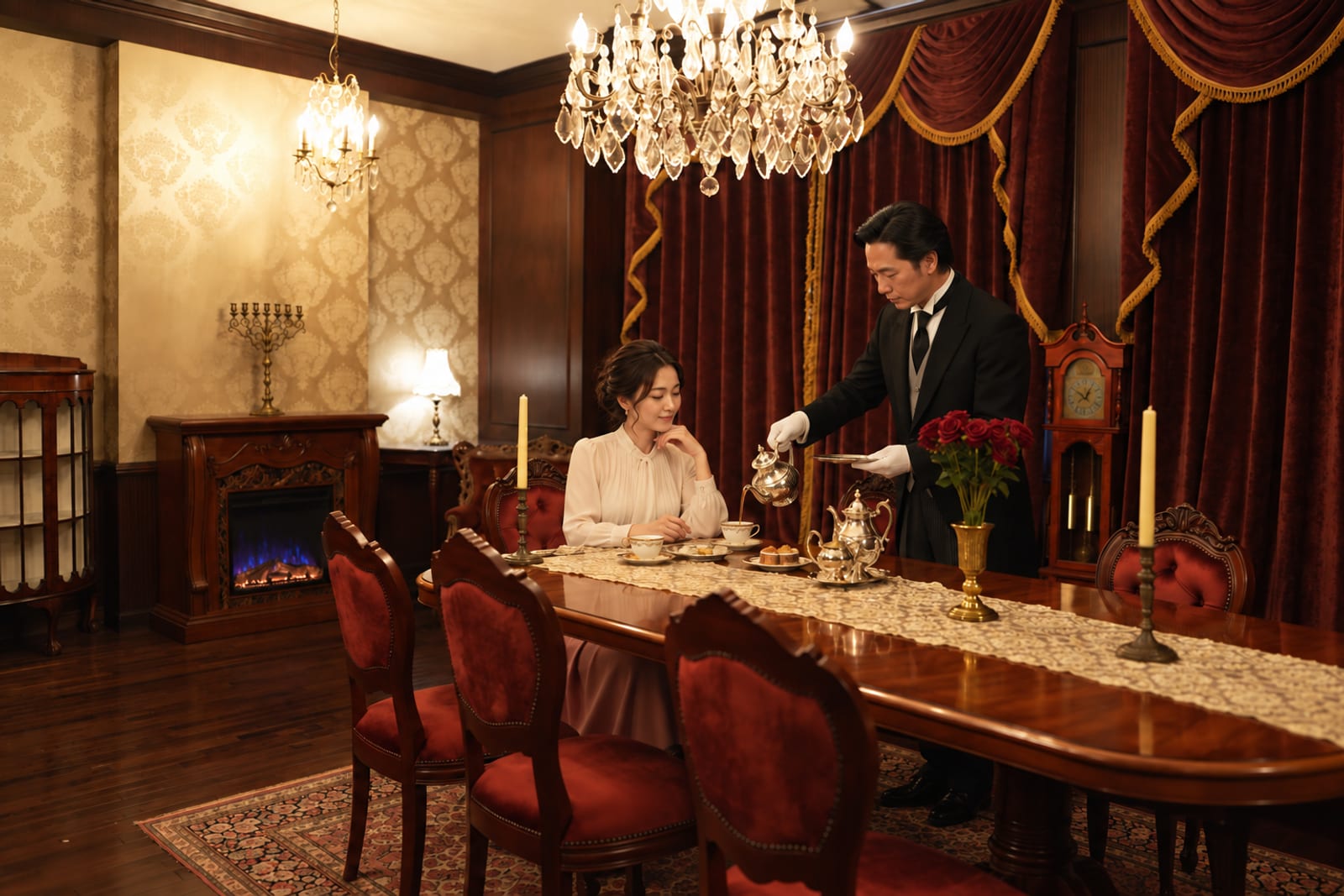
The Work of the Butler
The office of keeping order, from history to the present day.
Read more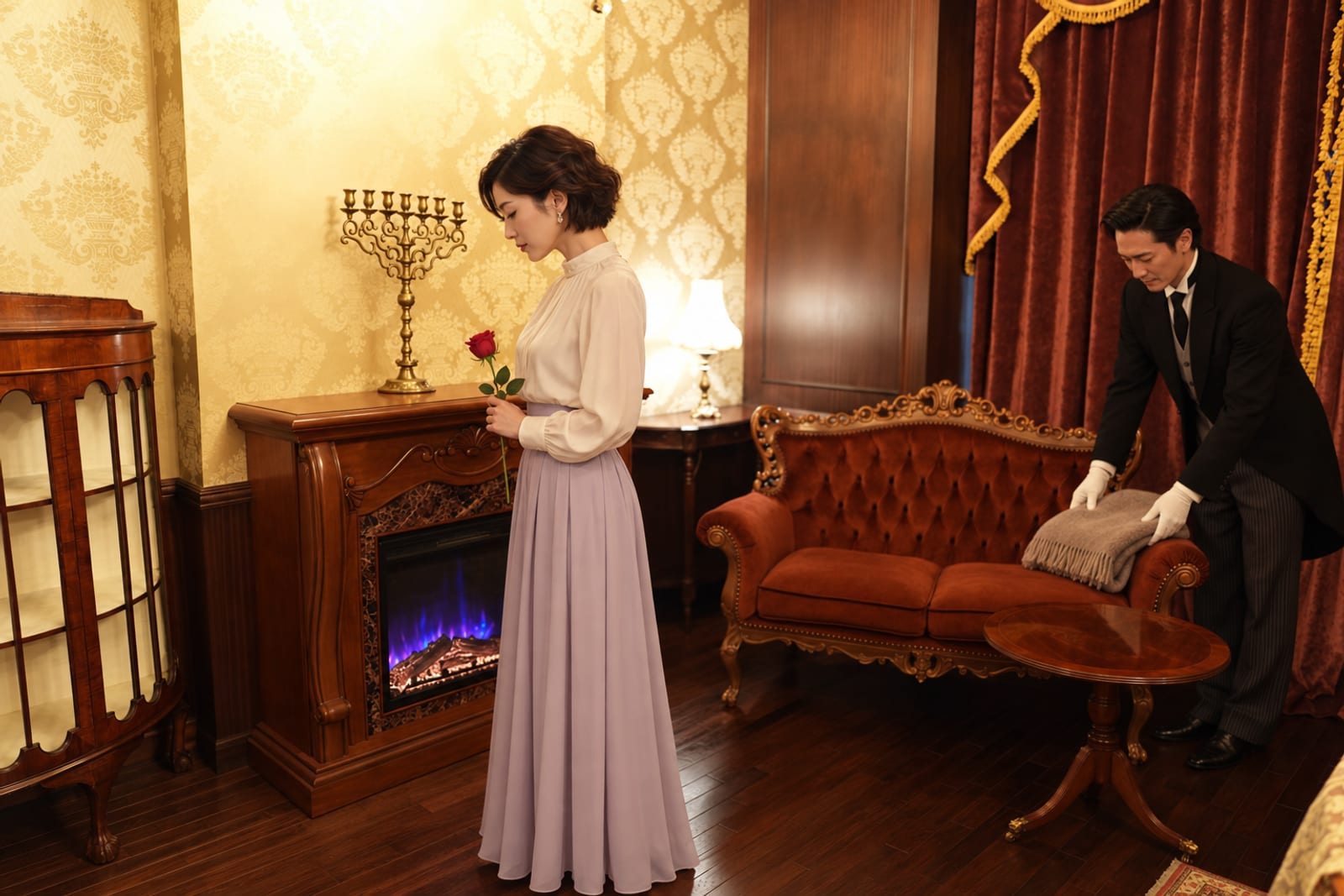
About The Salon
A house for women, where a butler is always at your side.
Read more

The history continues, inside the Manor.
Your butler will answer any questions about the furnishings and the butler's manner.