
The Victorian Butler
The responsibility of joining the people, things and hours of a house.
About The Victorian Butler
The Victorian butler stood within the ranks of the household in the great English houses, leading the duties of the male staff and ordering the master's daily life and the time of guests. Through the care of silver and household goods, watchfulness at the door and beyond, and coordination with the other staff, the butler upheld the order of the house.
IA great house does not run on one pair of hands
Keeping a great house in Victorian England required the work of many people. Entrance, table, study, wardrobe, cleaning, carriages: each scene of daily life had its own office, and each member of staff kept their own post. Among them, the butler held the position of leading the duties of the male staff.
What matters is not to memorise the ranks as a list of titles. It is to see them as a system joining who prepares what, and when, so that the master's day could pass without interruption. The butler received the master's wishes and carried them into the workings of the house.
IIThree domains under the butler's eye
The first is people. The butler considered the order in which those who received guests, handled the silver and prepared the rooms moved, so that too many did not gather in the same place at the same hour. The second is things. The butler saw that silver and household goods were in place where needed, and watched over them until they were returned after use.
The third is time. The moment to open the door, to inform the master, to change the lights. Not merely following the clock, but reading the master's mood and the progress of the guests, and beginning the next preparation a little ahead. That was the watchfulness that kept the house quietly in motion.
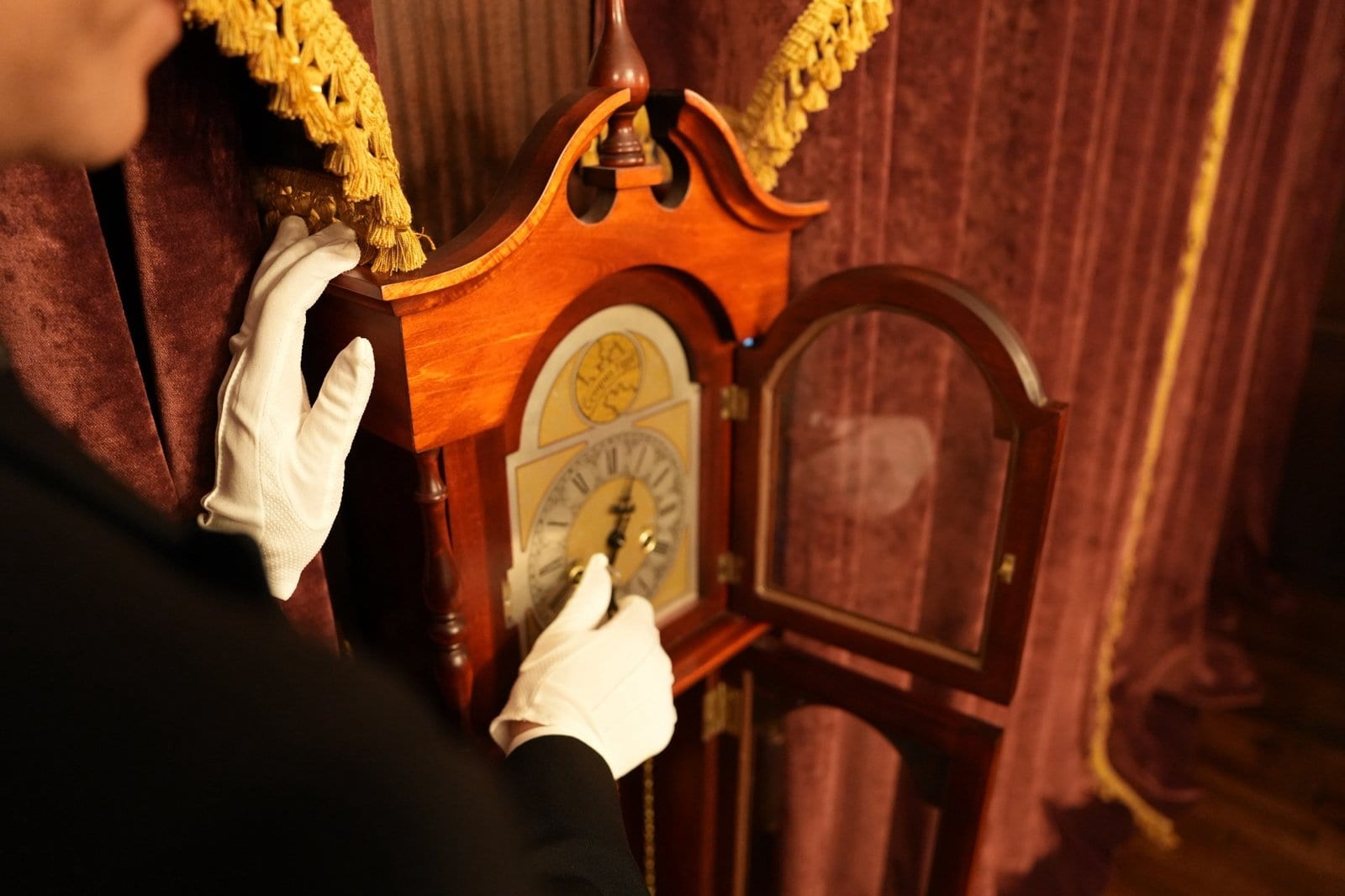
Watch the clock, and look beyond it.
Not only keeping to the hour, but preparing the next scene so the master's time is never broken.
IIIQuiet in front, coordination behind
What the master saw of the butler were brief gestures: opening a door, presenting an item, delivering a message. Behind them lay preparation already in progress: checking the state of the rooms, choosing what was needed, passing the order of work to those responsible.
The better ordered the house, the less the bustle of preparation reached the master's eyes. By never drawing attention to himself, and by joining the work of the other staff smoothly, the butler ensured that only a settled calm appeared at the front of the house.
Unseen preparation is not a matter of hiding work in order to boast of its worth. It is the craft of settling checks and consultations where they belong, so that the master may concentrate on conversation and business. Finding problems early, and conveying concisely only what needs the master's decision: that selection, too, belonged to the duty of keeping the house quiet.
IVWhat silver and doors say about responsibility
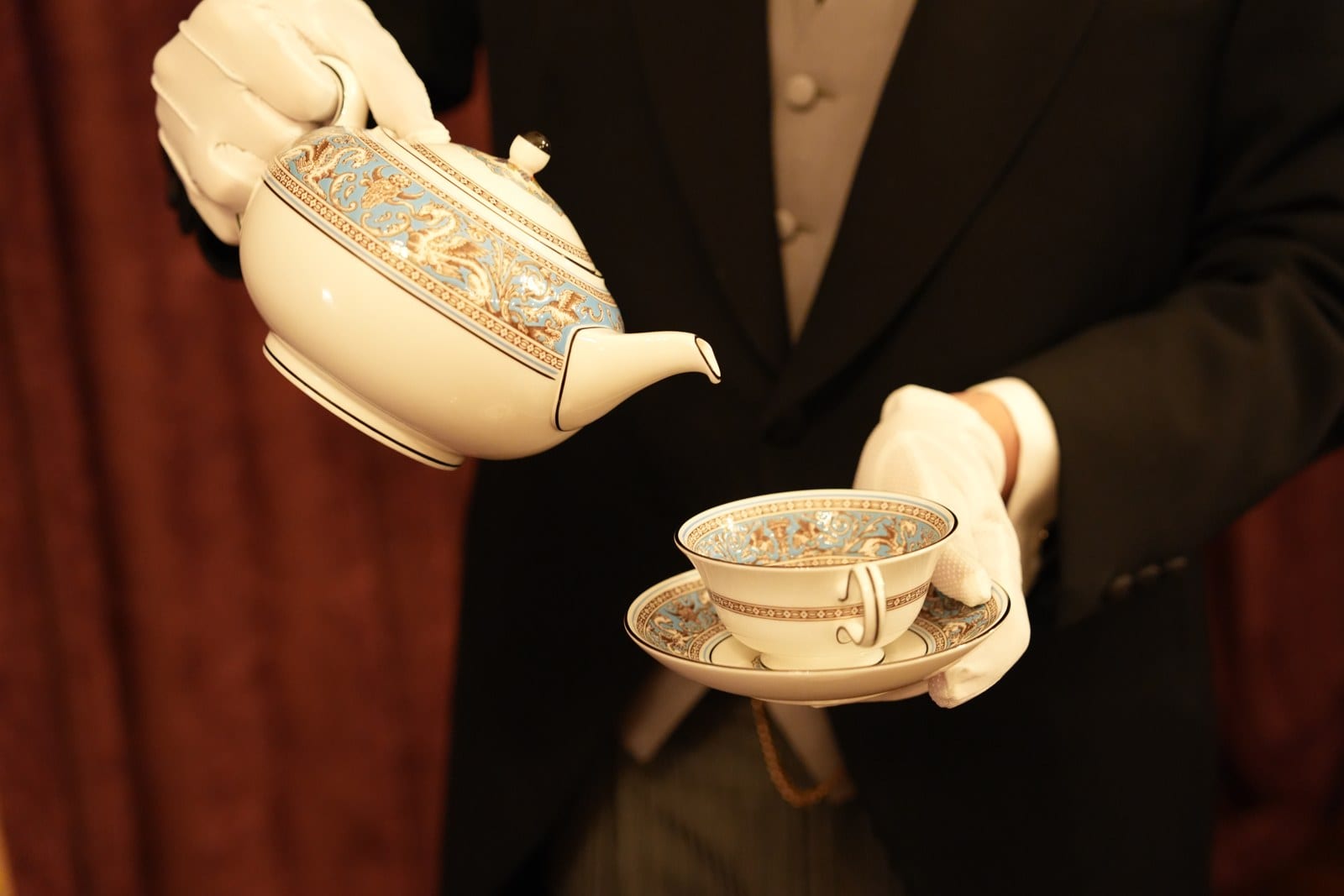
Silver is not an ornament that merely shines when polished. It is something whose kinds and numbers must be known, assembled to suit the occasion, and checked and put away after use. In the butler's watchfulness over the silver we see the origin of a duty entrusted with things of value.
The same is true of the door. It divides the inside of the house from the outside, and is the place where it is decided whom to receive and when. The butler standing at the door signified not the arrogance of sorting callers, but the responsibility of protecting the master's time and the order of the house.
Silver and doors stand far apart, yet both are joined by the need to know condition and timing. The silver is ready by the start of the meal; the door is opened as the guest arrives. The butler did not merely keep things in order; he fitted the moment of their use into the day of the house.
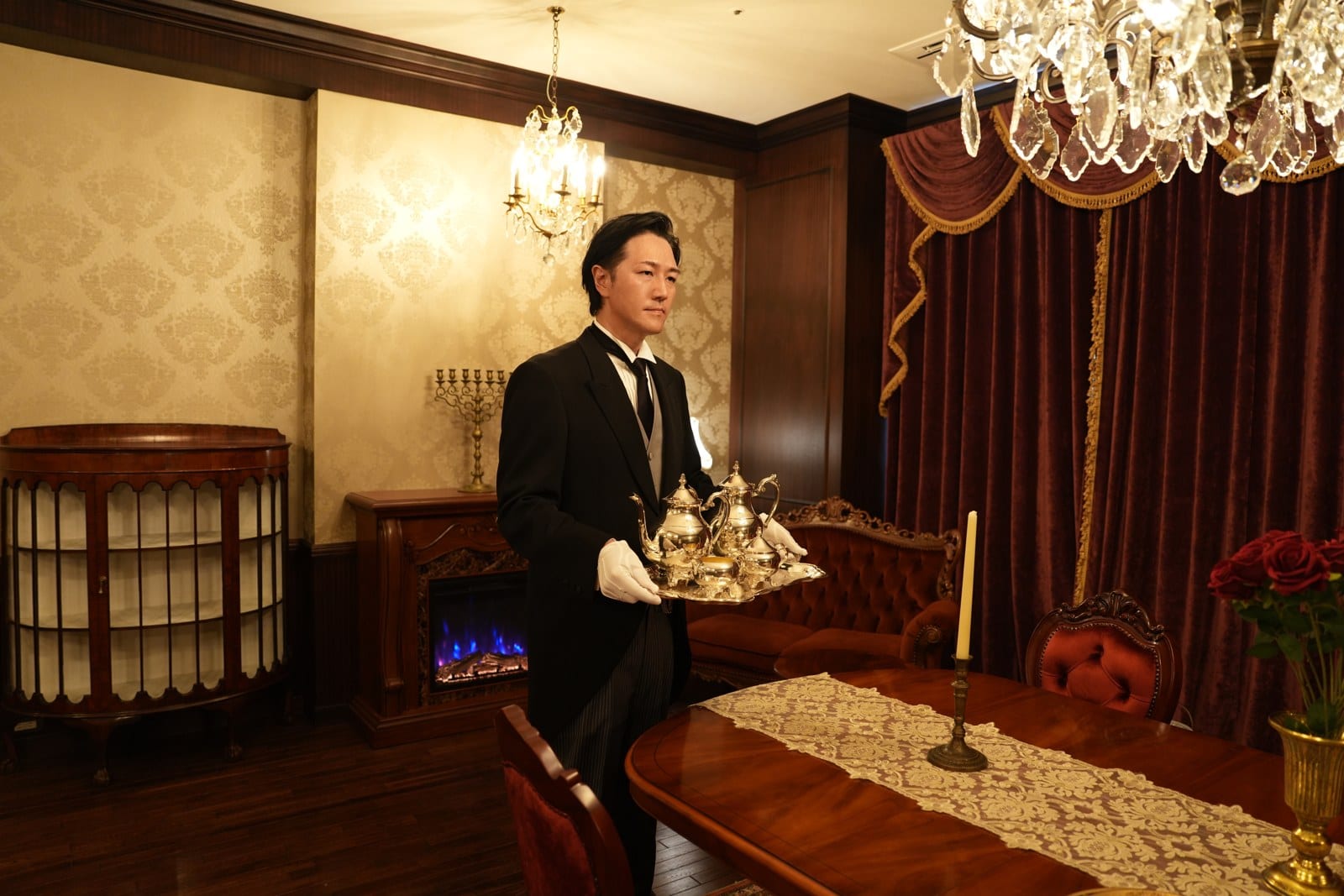
The shine is the result of care.
Knowing the number, condition and place of each piece is the work that supports the visible instant.
VThe butler of fiction and the butler of duty
In fiction, the butler is sometimes shown answering every question and running the whole house single-handed. But a great house depended on the division of labour among many staff. The butler's skill lay less in carrying everything himself than in joining the right people and things to the right moment.
Likewise, the expressionless figure who merely relays orders is only one stereotype. Choosing the strength and distance of words, between master and staff, between guests and the house, was also the butler's work. Courtesy is not coldness; it is a form that keeps both sides from uncertainty.
Set aside the all-capable figure, and the butler's judgement comes into sharper focus. Distinguishing what he could undertake himself, what to entrust to another office, and what to confirm with the master, and never leaving an answer vague. The order of a house is kept not by one person's extraordinary ability, but by the responsibility of joining the parts correctly.
The front of the house and the butler's preparation
| What appears in front | What the butler arranges | The supporting duty |
|---|---|---|
| A guest is received | Confirming the hour, the door and the destination | Coordinating people and places |
| The silver is laid | Confirming kind, number, condition and placement | Care of the household goods |
| The study can be used in quiet | Arranging lamp, chair, letters and clock | Preparation of the room |
| The day proceeds without a hitch | Joining the order of each office and reading ahead | Coordination among the staff |
The actual division of duties and titles varied with the size of the house and the period. Please read not only the visible gestures, but who prepared the things and the hours before them.
VIWhat the Manor in Odaiba inherits
Queen's Butler is not a place that recreates a Victorian house as it was. In a single room of an old castle, layering an English manor house with French rococo, our butlers, male and female, arrange each scene according to the wishes of the lady of the house.
The words of the Butler's Welcome that the Manor holds dear describe the start of a visit as follows. Rather than transplanting a historical office, they put into words, in a form fitting a modern house, the core of the duty: to receive, to take charge, to guide and to attend.
At the entrance, your butler greets you. We take your belongings and your coat, and show you to your seat.
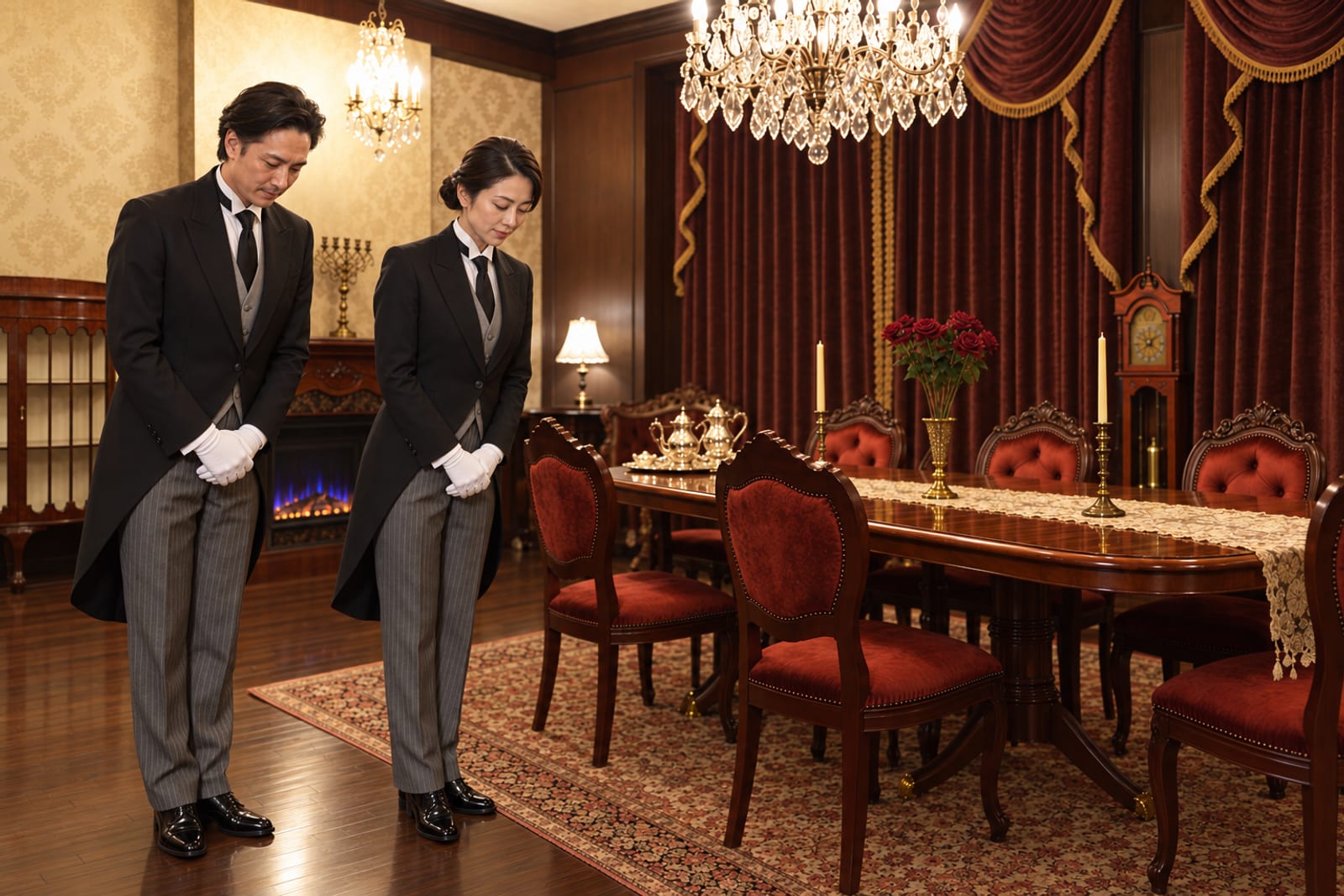
Inheriting duty and bearing, not gender.
Inheriting duty and bearing, not gender.
VIIKnowing the Victorian age changes how you see the Manor
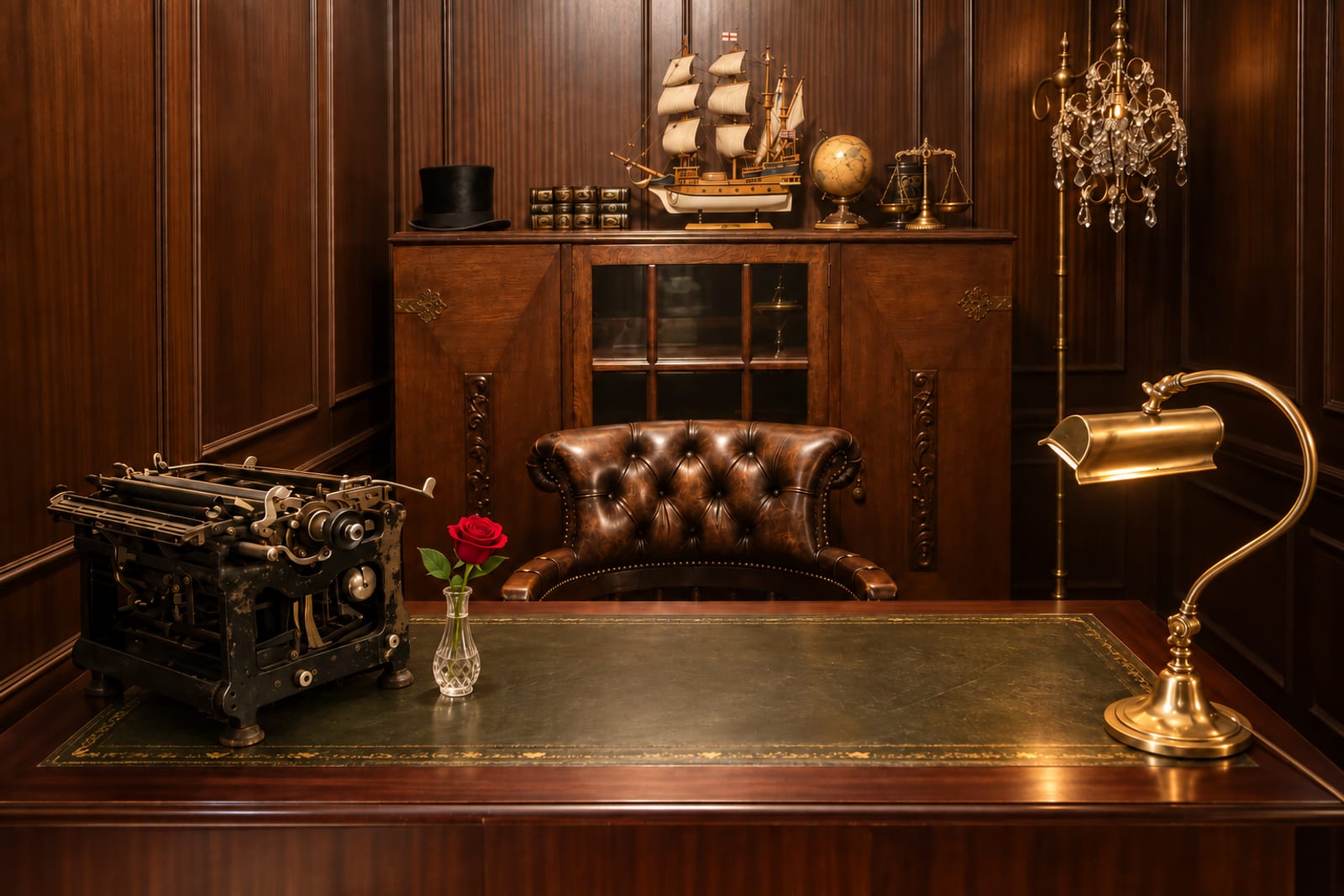
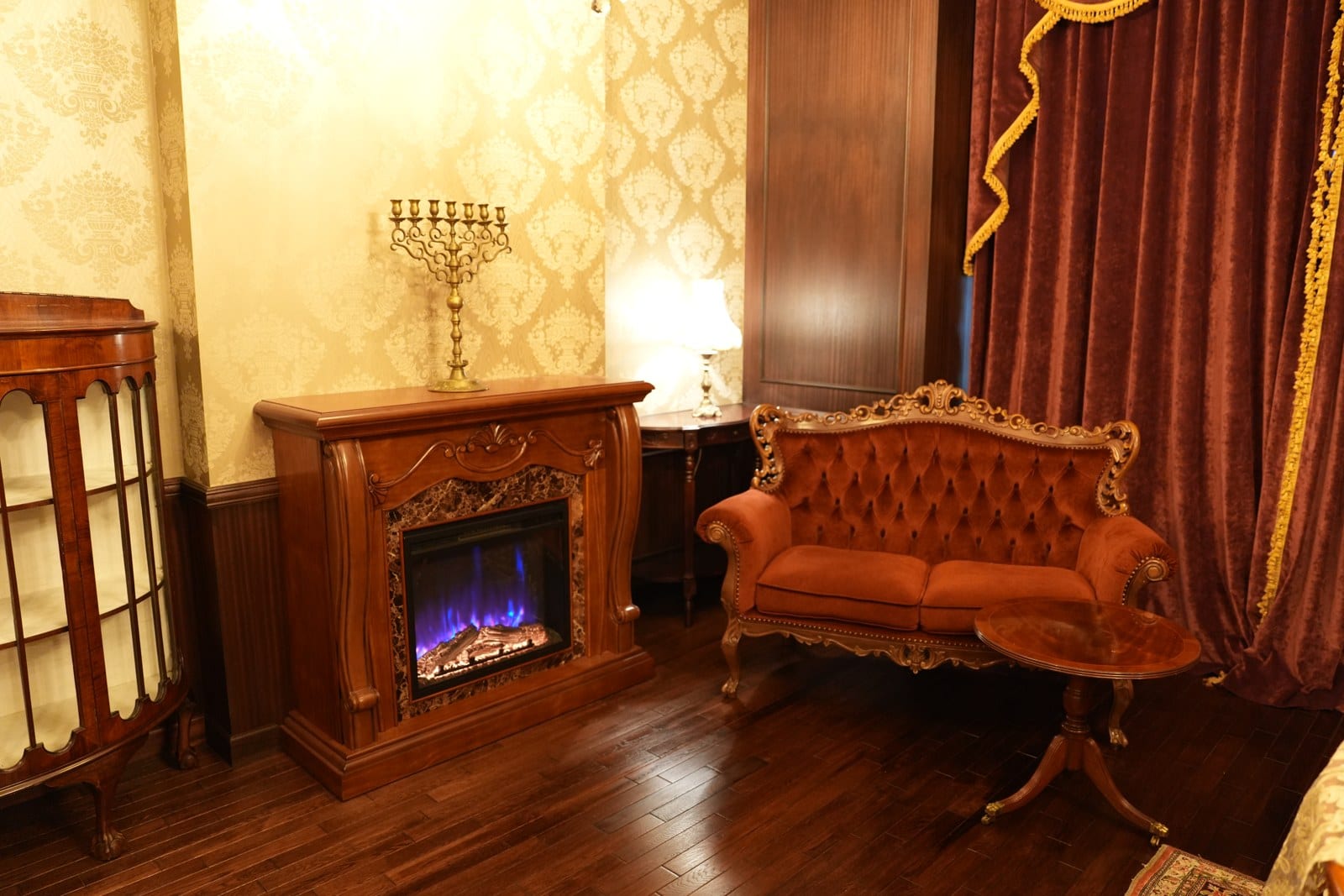
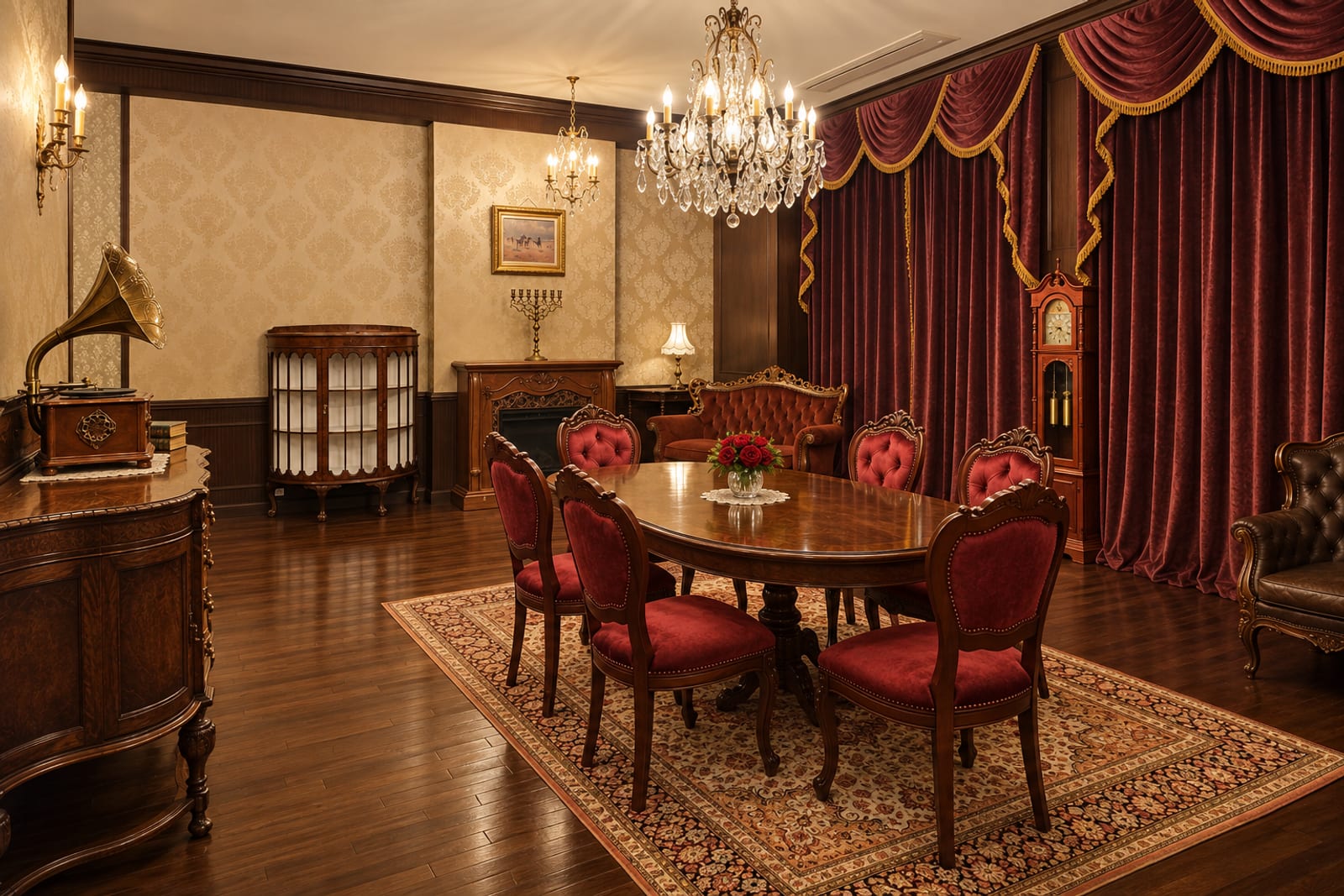
The drawers of the study desk, the chime of the hall clock, the cabinet that holds the silver, the armour at the entrance. Their beauty is felt simply by looking at each piece in turn, but once you know the division of labour among the people who ran the house, you can imagine where in the day each was used.
The butler holds the view that joins those scenes. Move on to the article on the English manor house, and the relationship between the arrangement of rooms and their offices becomes clearer still. When you look at the style of a piece of furniture, keep in mind who arranged it, and for whom it was placed.
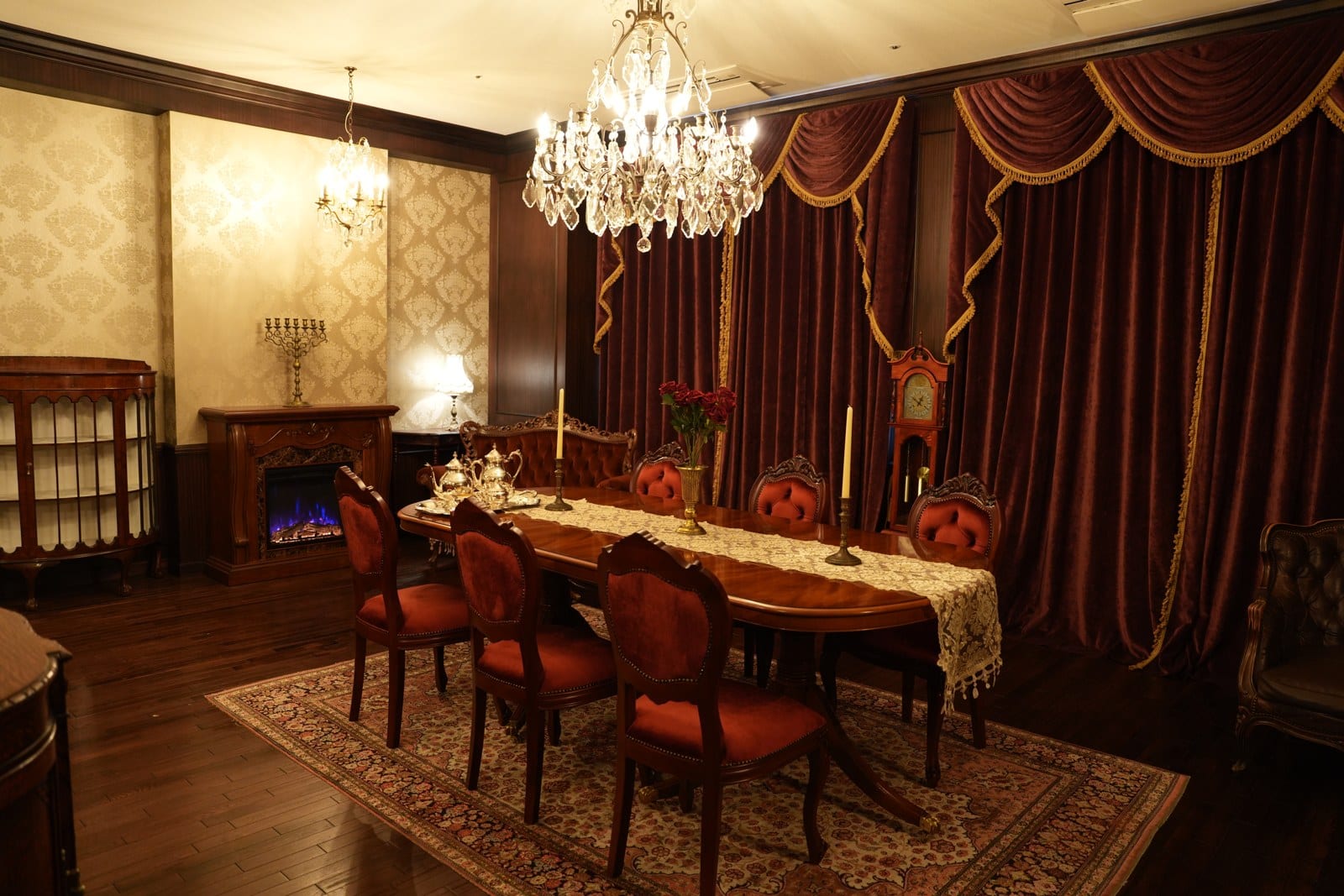
To see the Manor is to imagine at once the splendid front and the movements of those who prepared it. The chairs of the Dining Room, the drawers of the study desk, the silver in the cabinet do not move a day by themselves. Only when the butler reads the hour and the purpose, and joins them to the other offices, do they become scenes the master can use.
VIIITo lead the male staff was to survey the whole before giving orders
The duty of leading was not to display a title and issue commands; it was to survey who held which office, and when each should move so as not to disturb the master's time. If the hour for receiving guests at the entrance coincided with the hour for laying the table, the paths of people and things had to be untangled first.
The butler received the master's wishes and translated them into the preparation required. To which room to show the guests, when to lay the silver, who should stand at the door. Not passing on brief instructions as they came, but ordering them as one who knew the circumstances of the house: that was his responsibility.
To keep the work of those in each office from colliding before the master, the butler had to understand each person's post. Not the all-round ability to do everything himself, but the judgement of whom to entrust with what, and how to confirm the result. In that judgement the butler's skill was revealed.
IXAt each turn of the day, the butler prepared the next scene in advance
The turns of the day are the moments when the use of the house changes: the master moving from room to room, the arrival of guests, the start of a meal, the changing of the lights. The butler did not move by the clock alone, but read how far the present conversation or the master's steps had progressed, and began the next preparation.
Preparation too early hurries the master; too late keeps him waiting. The visible gestures of opening a door, arranging a chair or presenting an item are brief, but the judgement of their timing continues from the scene before. A quiet house is not one with little movement, but one in which the necessary movements fall at the right moments.
The duties of the butler described by English Heritage include the care and safekeeping of the silver, the arrangements of the table, the reception of guests and the locking up of the house. Joined by the hours of the day rather than seen separately, things, table, people and doors reveal the view that supported the whole house.
We do not hand over the keys. In this house, guarding the door is also the butler's work.
XThe historical office and the modern butler, kept distinct despite the shared word
Keeping them distinct means not applying the Victorian ranks of household staff directly to a modern house. The position of leading the male staff in the great houses of the time, and the presence today of male and female butlers at Queen's Butler, are treated as facts of different eras and different operations.
At the same time, in the bearing that puts the master's wishes first, keeps things and hours in order, and never disturbs the time at the front of the house, there is a continuity that can be read from history. We refer to history not to reproduce its forms, but to understand why a butler guards the door and why the condition of the silver is checked.
At Queen's Butler, the butlers of Queen's Butler, a general incorporated association, are always present in the Manor. We never leave the house unattended. With the will and dignity of the lady of the house at the centre, the responsibility received from history is carried into the gestures of today.
The butler's eye before a guest is received
Confirm the master's wishes
Know whom to receive, into which room, and at what distance to attend.
Divide the offices
Confirm who holds which post, and set the order so that movements do not overlap.
Join people and things
See that door, lights, chairs and the items required are all ready at the same hour.
Receive in quiet
Without showing the bustle of preparation, guide the guest without hesitation.
Restore the next scene
Check the items and rooms used, and set the order of the house right again.
Care, coordination and service are joined into a single flow of time.
| Domain of responsibility | What the butler confirms | The result seen by the master |
|---|---|---|
| Care of things | The kind, number, condition and place of silver and household goods | The items needed are ready in a form that suits the scene |
| Coordination of people | Offices, posts, the order of movement, each other's routes | The movements of preparation do not collide at the front |
| Judgement of time | Both the schedule and the progress of the moment | The master is neither hurried nor kept waiting |
| Reception of guests | The door, the destination, the moment to inform the master | Inside and outside the house are joined in calm |
Actual titles and divisions of duty varied with the size of the house and the period.
Reading the Victorian butler from three places.
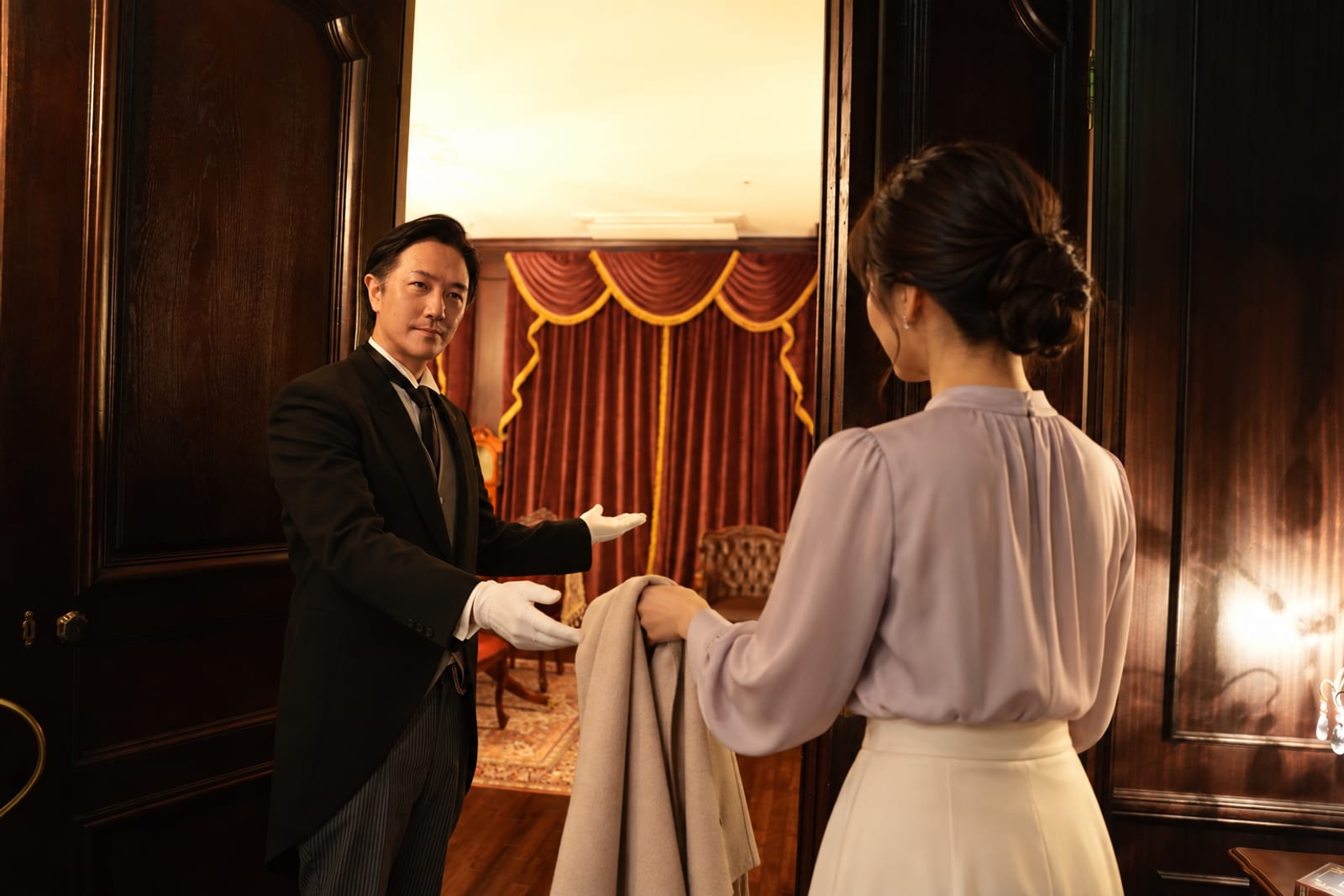
The entrance of the day, and the door
The hour of guests, the inside and outside of the house, and the order of informing the master, seen through a butler's day.
Read more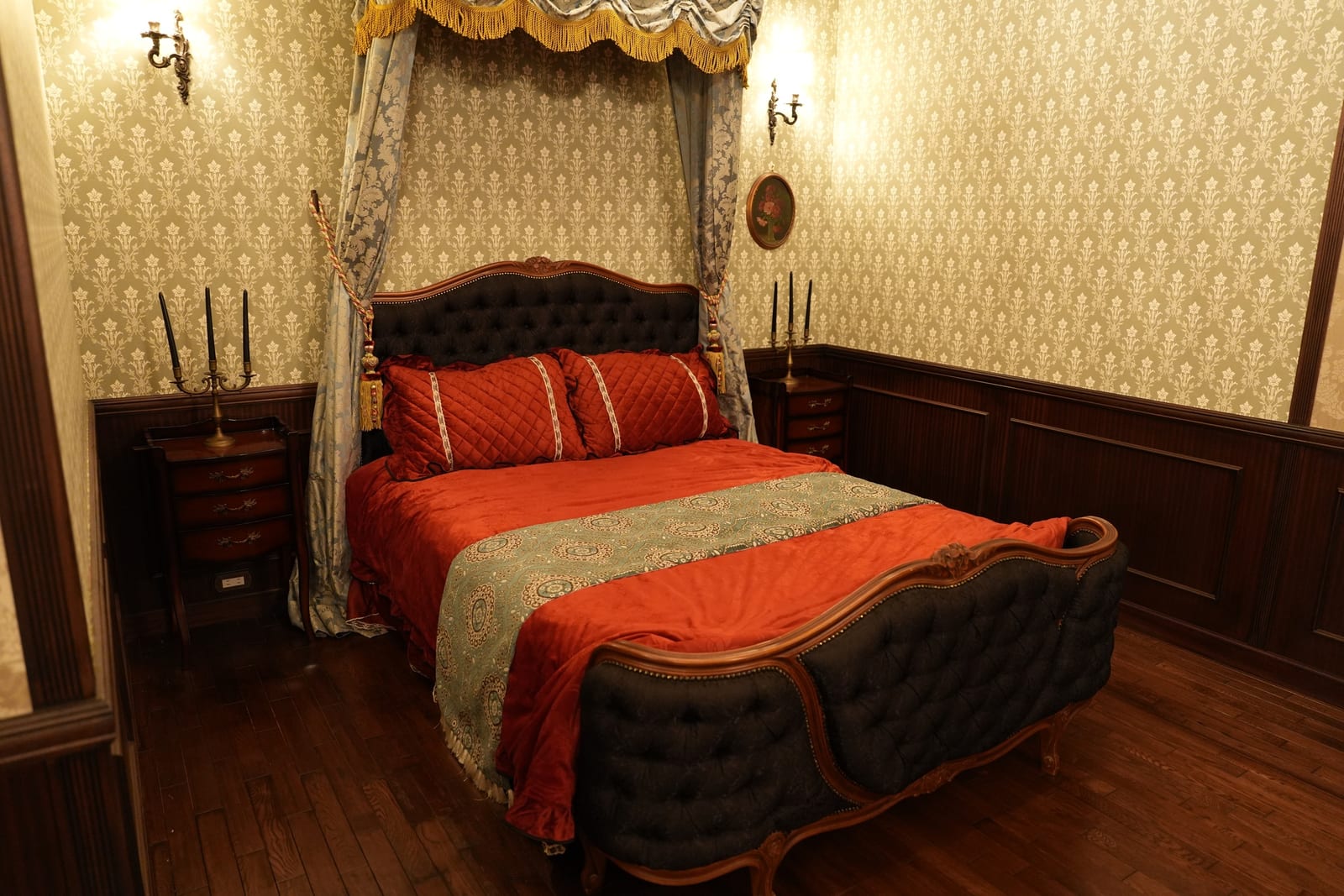
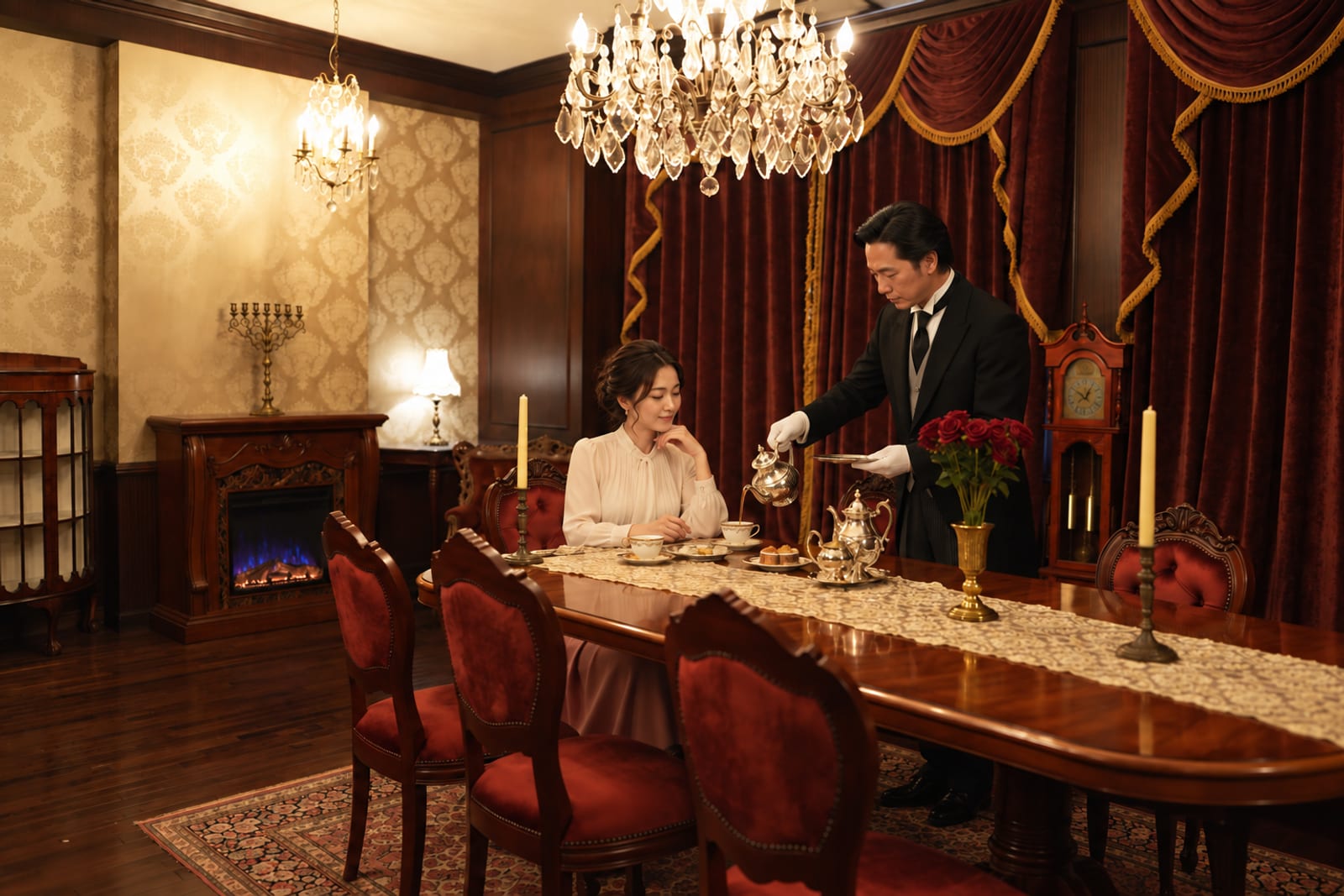
The table and the silver
In the safekeeping of pieces, the choice of kind and the hour of laying, the responsibility of care appears.
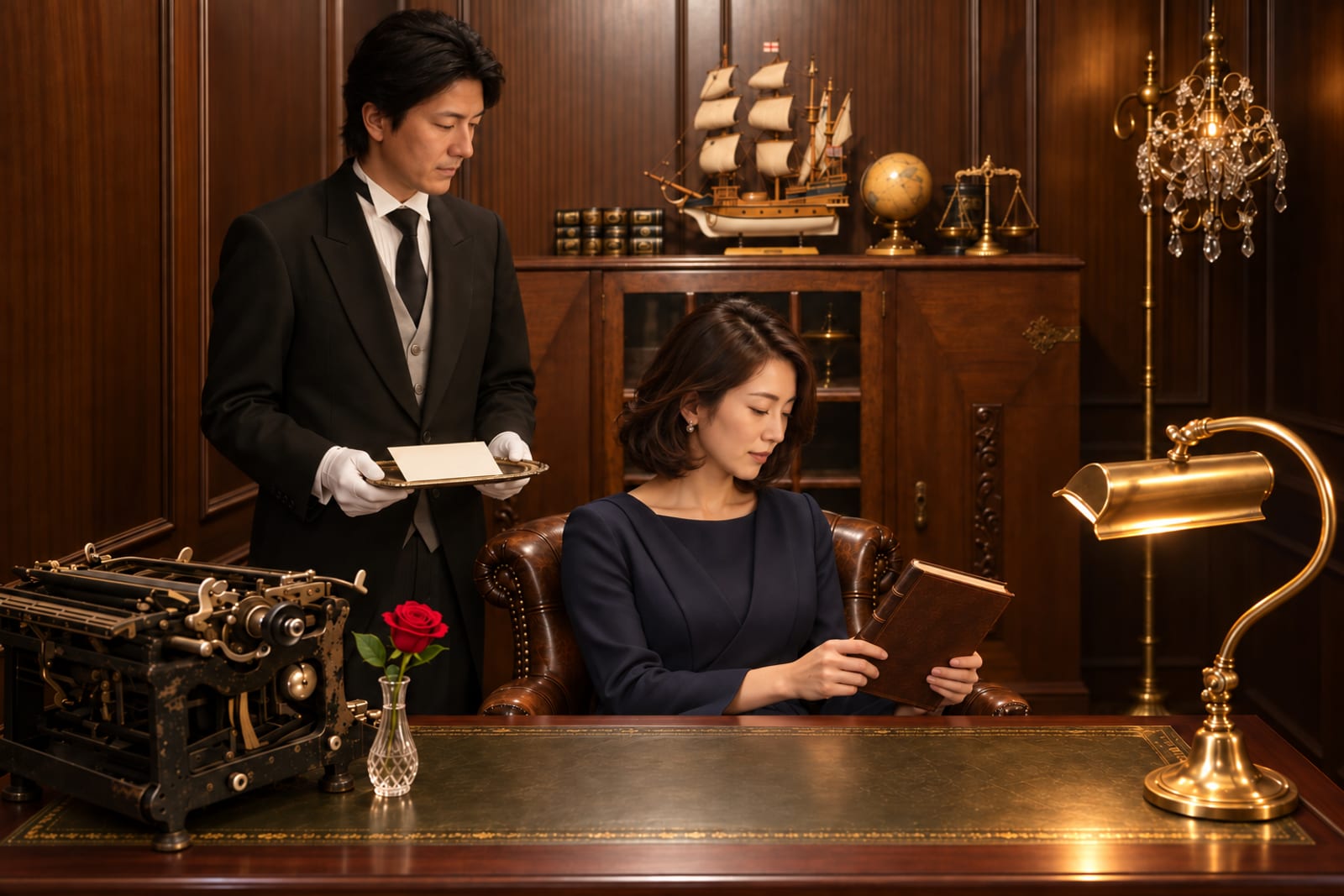
Read moreThe study and the clock
The view that prepares the next engagement in advance, without disturbing the master's work and thought.
Read moreThe duty read from the Victorian age
- The responsibility of joining the offices of the male staff and keeping the order of the house
- The care of knowing the condition and whereabouts of silver and household goods
- The judgement that fits guests, table, door and hour into the flow of a day
- The bearing that never brings the bustle of preparation before the master
The office distinguished from the present
- The notion that the butler did everything in the house alone
- Taking the figure of fiction for the historical duty itself
- Applying the office of the male staff of that time to today's composition of butlers
QWas the Victorian butler the most senior member of the household staff?
In general the butler held the position of leading the male staff. Titles and divisions of duty, however, varied with the size and organisation of the house.
QDid the butler do everything alone?
No. In a great house many staff divided the offices, and the butler was responsible for coordination and care.
QDoes Queen's Butler recreate the Victorian age?
It does not reproduce a historical house as it was. Layering English gravity with French rococo, it carries the core of the duty into the gestures of today's butlers.
QAre there female butlers today?
Yes. Queen's Butler has both male and female butlers, who alike support the will and time of the lady of the house. We present this as today's composition, distinct from the historical office.
QDid the butler prepare the table as well as polish the silver?
In addition to the care and safekeeping of the silver, the arrangements of the table are described among the butler's duties. Protecting the pieces and preparing them for the occasion are one continuous responsibility.
QHow does knowing the Victorian age change how I see the Manor today?
Door, silver, study and clock can be seen not as separate ornaments but as things that support a day. Turn your attention to whom the butler prepares them for, and when.
You may also wish to read


To the work that supports the quiet of the house.
Having followed the history, see the duties of today's butlers and the furnishings of the Manor.