
The Silver Bell & Calling Your Butler
A small signal that sets hesitation aside
About The Silver Bell & Calling Your Butler
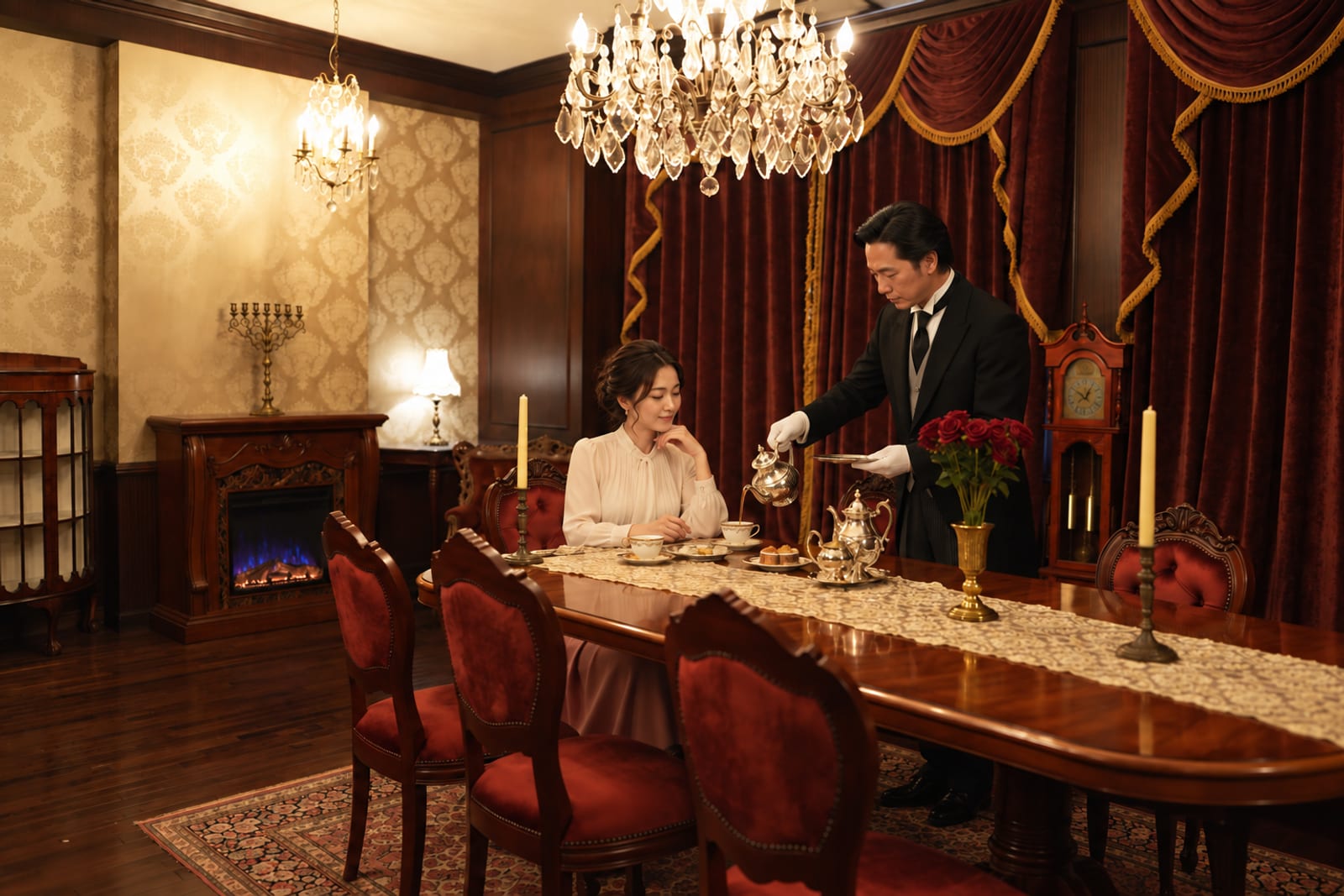
The bell is the means by which you let your butler know, with the silver bell on the table, whenever you need him. It is not a sound to hurry the butler or to assert your standing. It is the signal that stands for our Manor: a way to convey your wishes without raising your voice, so that the butler may quietly return to your side.
A small sound on the table reaches your butler.
A silver bell stands on the dining room table. When the butler is waiting a little apart, there is no need to raise your voice to find him. Please ring without hesitation. The sound is the signal for the butler to return to your side.
The bell is the emblem of the Manor, yet it requires no special knowledge. Nor do you need to have your request fully formed before you ring. Tea, the temperature of the room, where to spend the next hour: first call the butler to your side, then tell him. If the words will not come, you may begin with your mood or with something that has caught your eye.
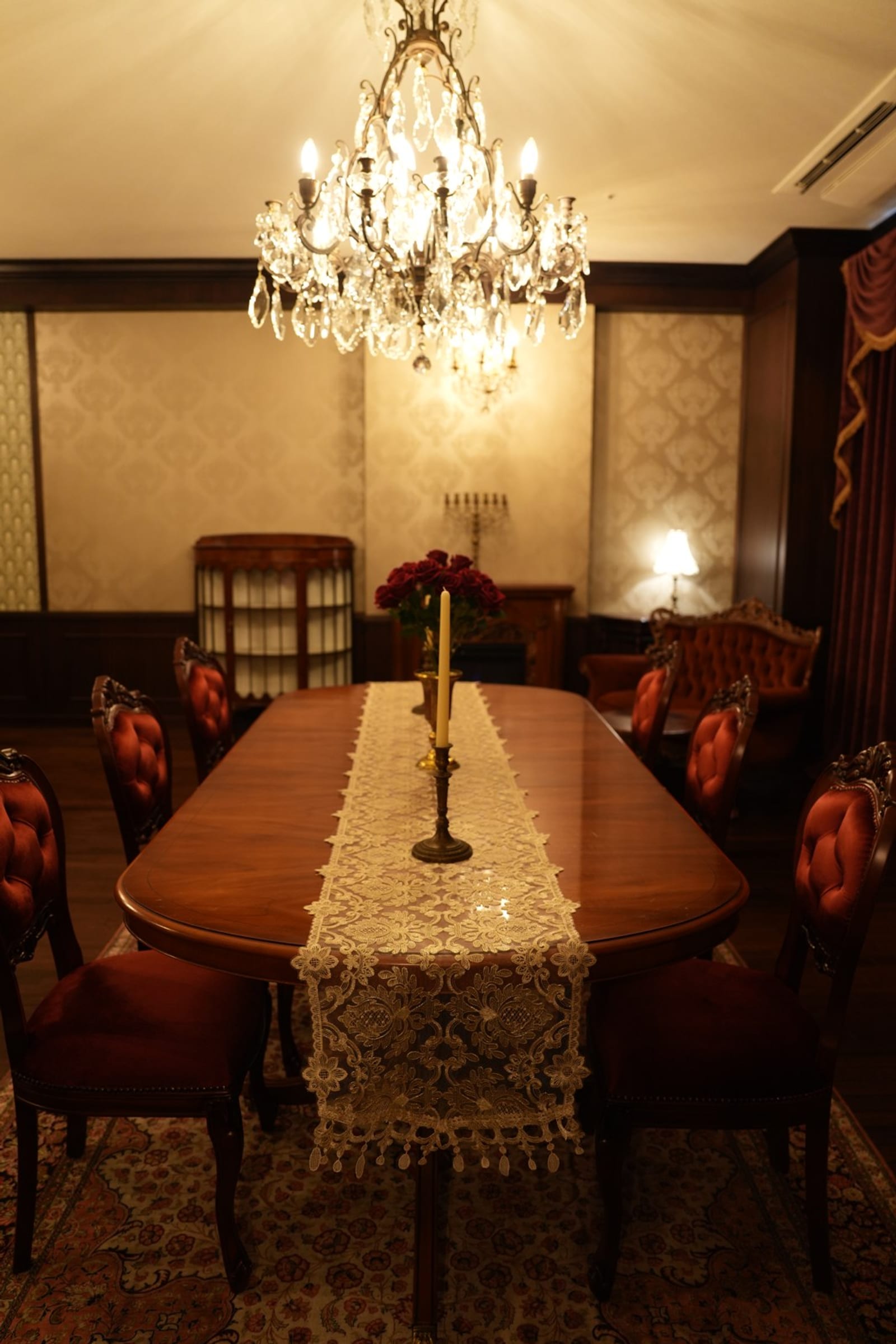
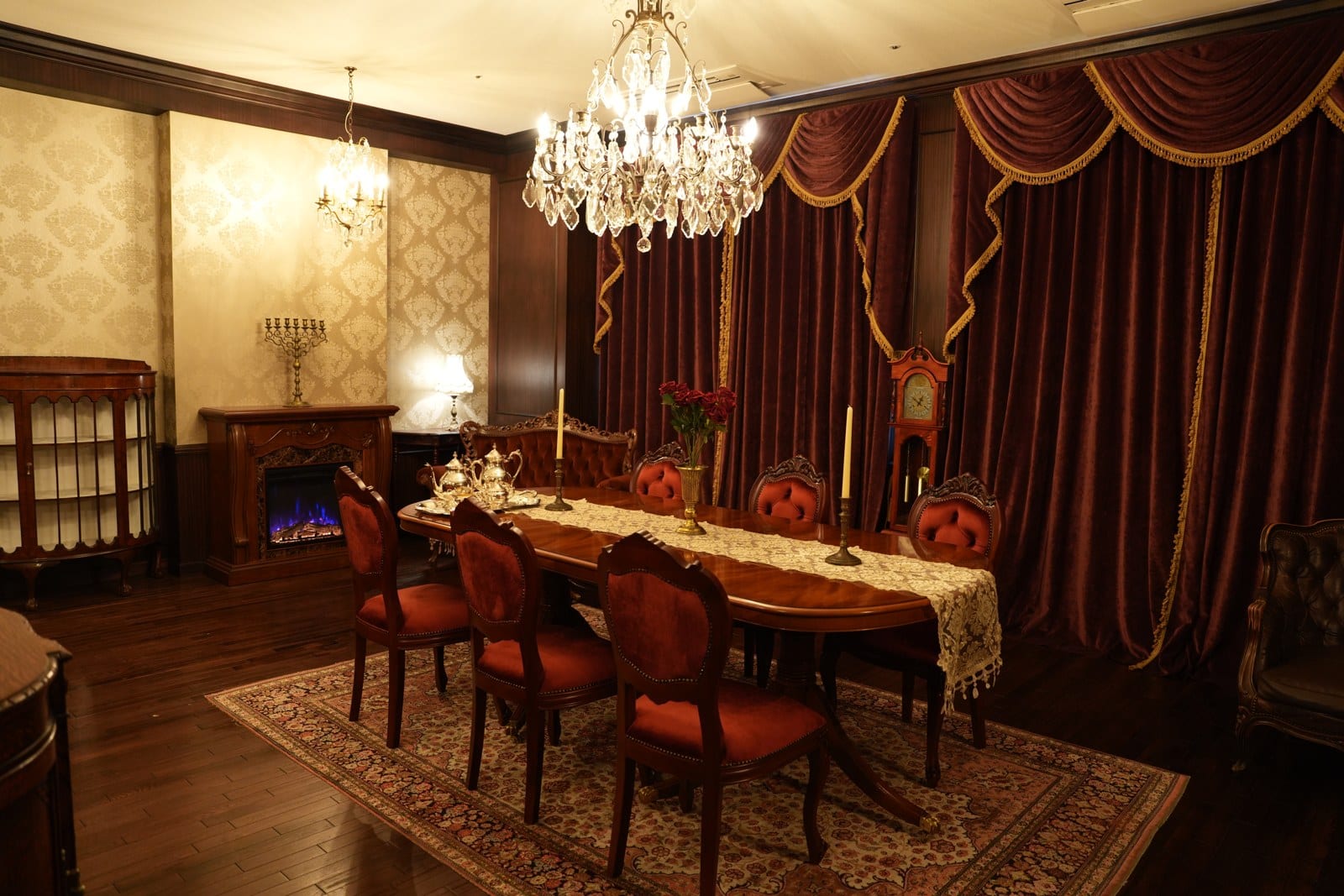
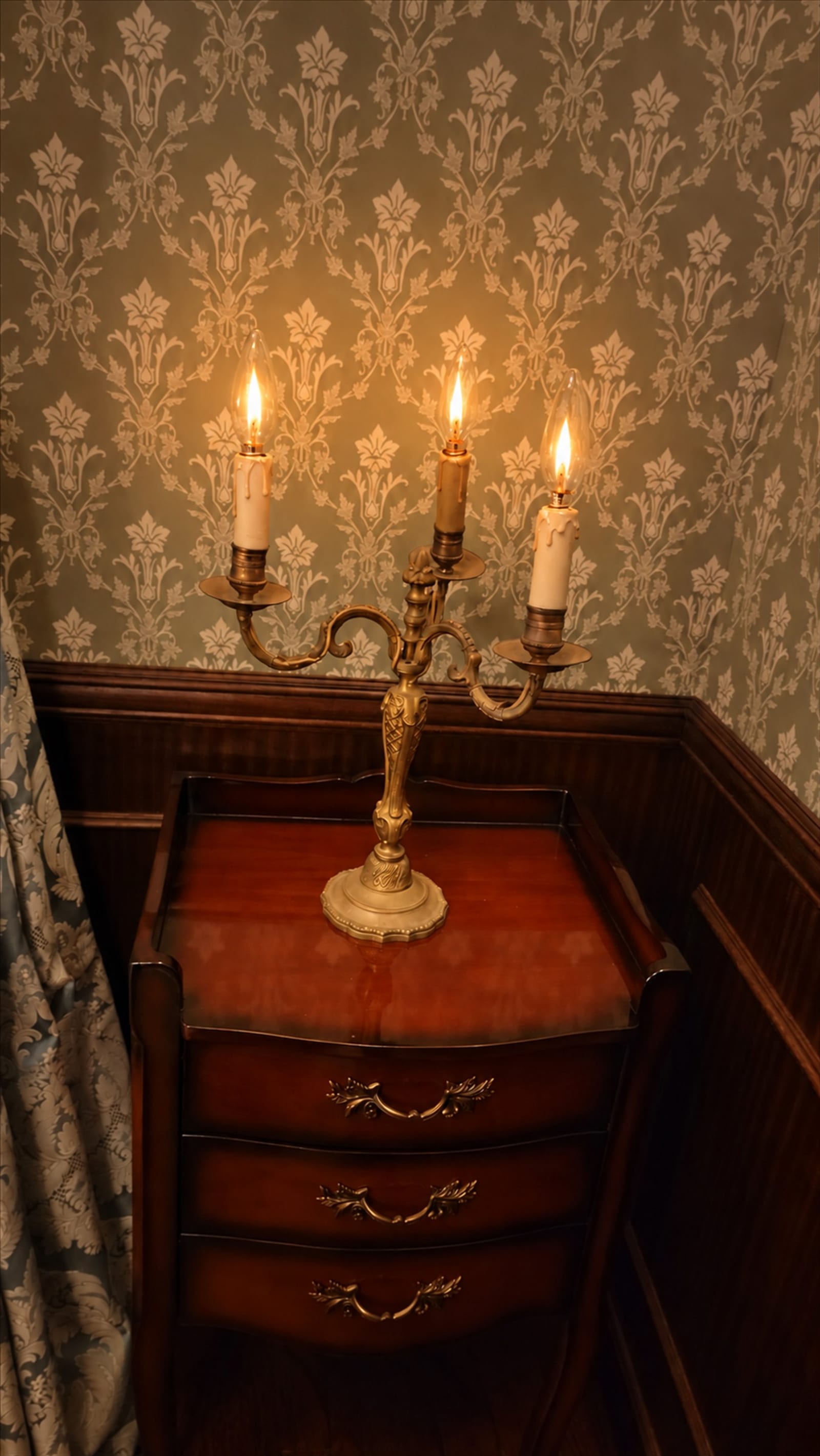
The silver bell stands on the table alongside the five-light candelabra and the brass candlesticks. A raised voice would interrupt conversation and thought, but a small chime carries only the signal that is needed. Being both an ornament and a tool in daily use is what makes the bell so characteristic of this Manor.
Moments when you may ring the silver bell
| Moment | What the signal means | The butler's response |
|---|---|---|
| When you have a wish for what comes next | You would like to discuss where to spend the time or what to prepare | He returns to your side, hears your wishes and arranges the next scene |
| When you are unsure at the table | You would like to confirm how to handle the silver or the tea things | In a voice that does not interrupt conversation, he quietly shows you what is needed |
| When you would like the room adjusted | You wish to mention the lighting, the temperature or your comfort | He checks the Manor's condition and arranges what can be done |
| When your request has no words yet | You simply want the butler to come | Without hurrying you, he listens and helps unravel what you wish |
Please ring the silver bell on the table without hesitation. The butler hears it and comes to your side.
After the signal, the butler sees to the reply and the preparation as well.
What follows the signal does not end when the butler returns to your side. It is one continuous sequence: hearing your wish, replying with what can be done and making it ready. Pouring tea, changing the lighting, showing you to another room: each requires its own checks, so the butler does not pretend to hurry but explains the order to you.
For wishes that cannot be arranged at once, he tells you that a little time is needed to check and prepare. What cannot be done is not left vague; he replies courteously that it is not possible. The bell is not the end point of a one-way command but the signal for a conversation to begin.
Once the butler has withdrawn to prepare, you may continue your conversation or your reading while you wait. When all is ready, he returns to your side and shows you to the next scene. It is this coming and going that lets the Manor keep its quiet while your wishes take shape, one by one.
The silver bell is both an ornament and a signal made to be used.
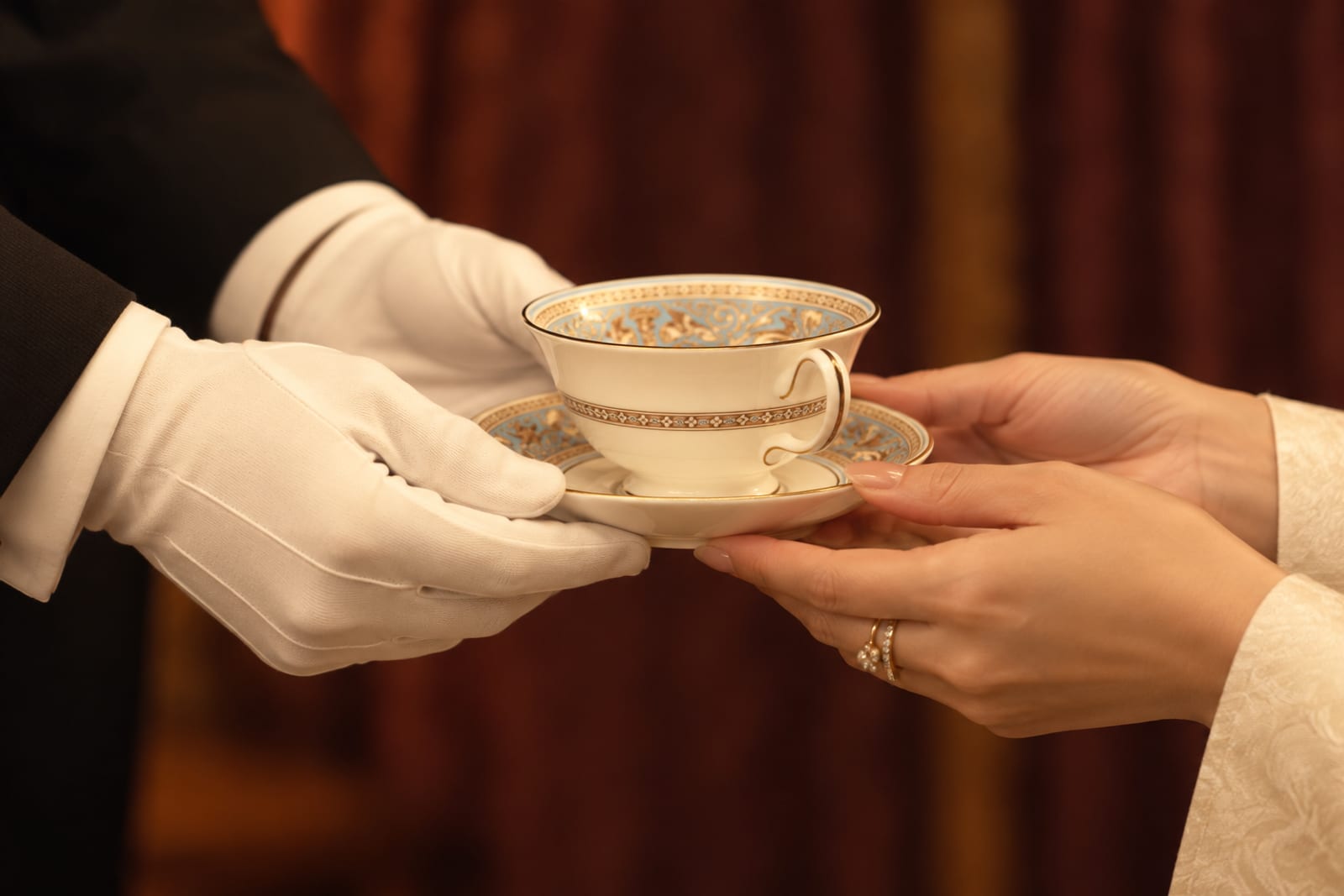
The silver bell is not merely a decoration for the table; it is a tool that quietly joins you and your butler across the room. You may admire how it sits among the candelabra and the silver, but it is placed there so that, when you need it, you may take it in hand and ring. The butler never judges you by how you handle the bell.
There is no need to brace yourself to produce a fine sound. Keep in mind that it is a tool for letting your butler know you need him, and use it freely.
When reaching for the bell in the dining room, with the silver laid out, take care to note where it sits so as not to touch the pieces around it. If the butler is near, call out; if he is further away, ring. Neither is more courteous than the other; whichever comes naturally to you is the right one. For those visiting the Manor for the first time, the butler will show you the bell on the table.

The butler would not have you hold back.
When the butler is out of sight, some guests wonder whether he is resting or busy, and hold back. But being called when needed is part of his waiting. He keeps within earshot of the bell and simply withdraws so as not to intrude on your time.
Ringing the bell does not mean an unreasonable command. It is the way to convey a thought and discuss what can be done. The butler hears your request and replies courteously: what he can do at once, what needs time to prepare and what cannot be done.
When the butler is in the same room, a glance or a gentle word is quite enough. When he has stepped a little way off to prepare, the silver bell takes the place of your voice. Choose, for each moment, whichever way you find least awkward.
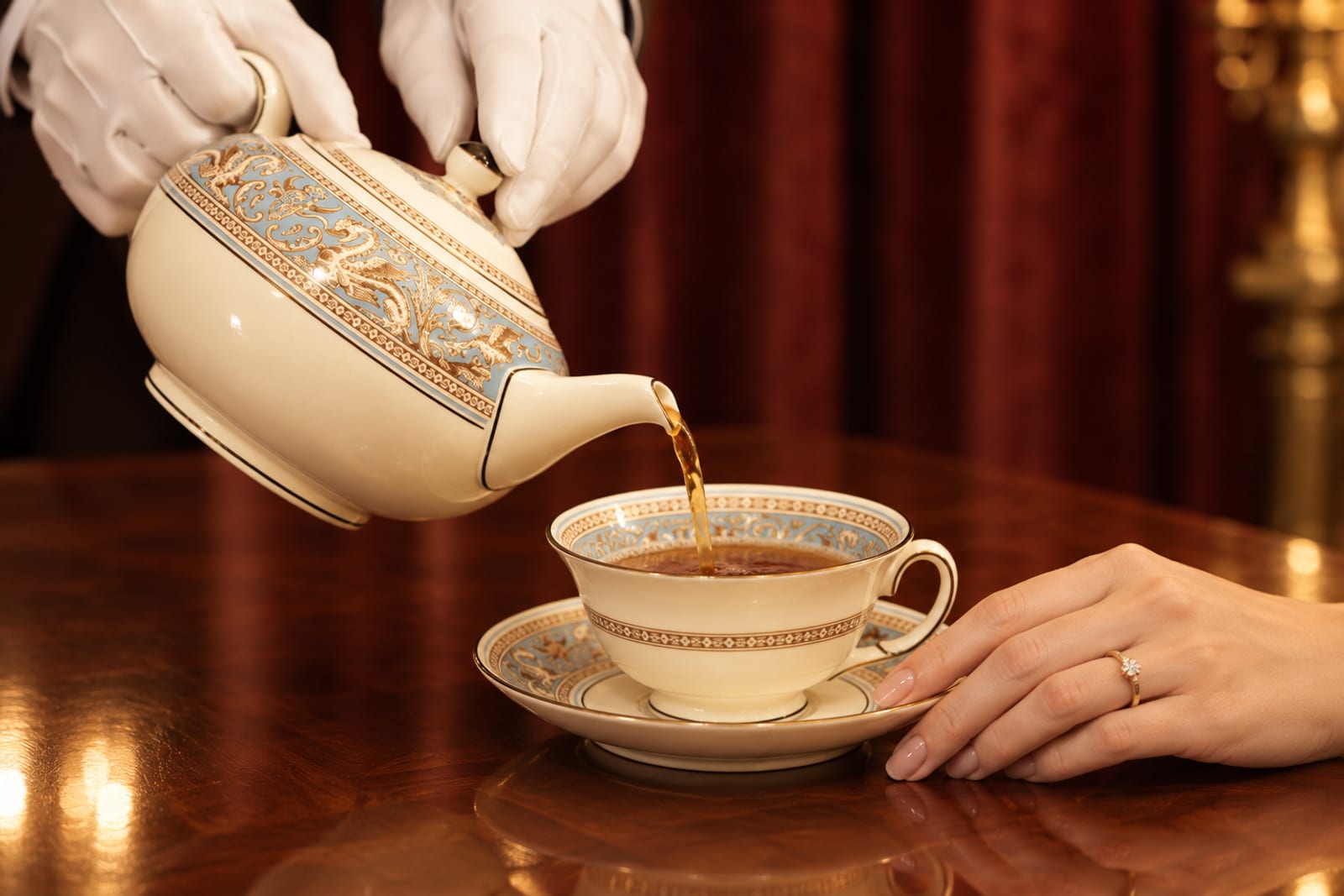
From the sound of the bell to your request being heard
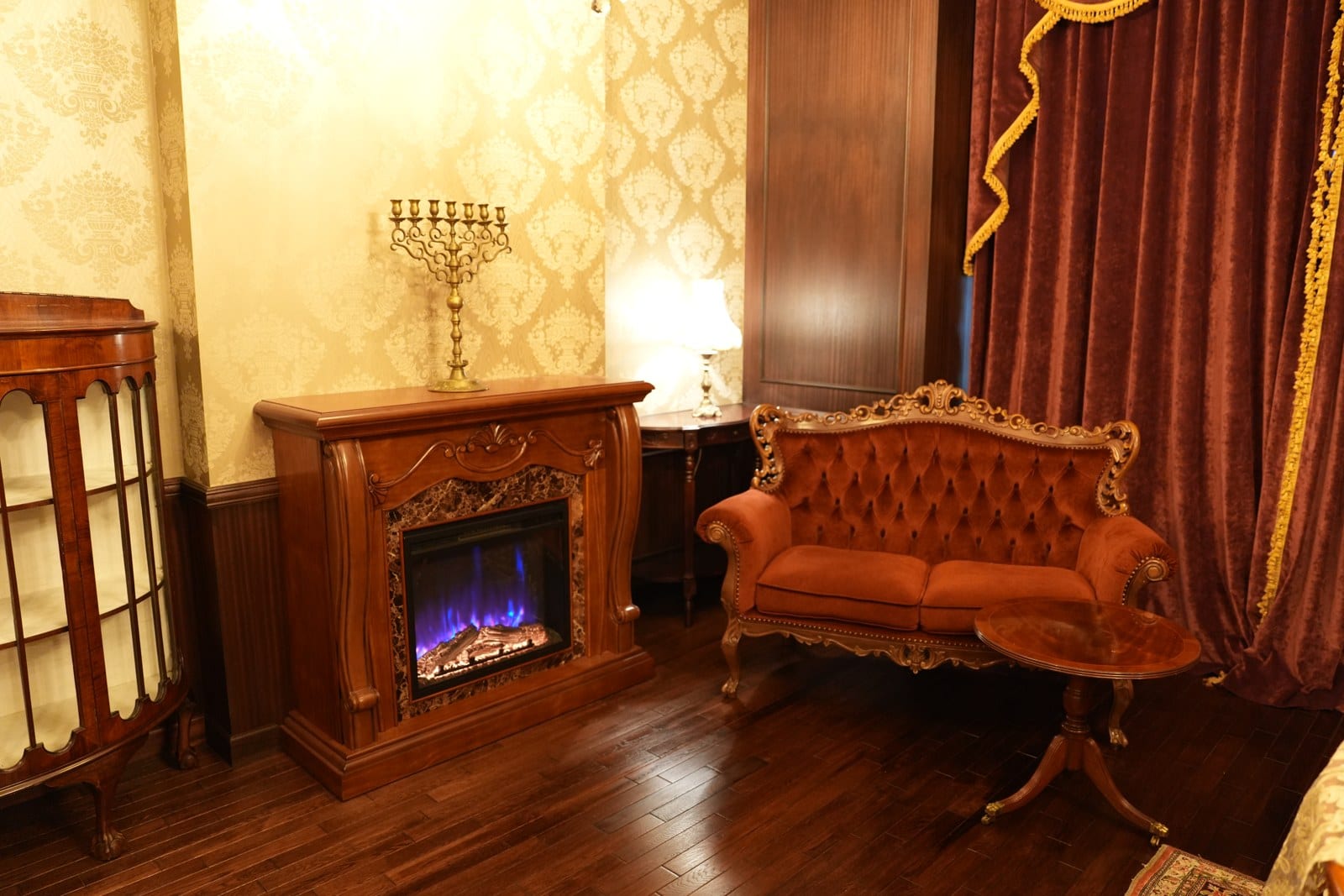
Ring the bell
When you have something to tell your butler, please ring the silver bell on the table without hesitation.
The butler returns
Hearing the sound, the butler returns to your side and faces you.
He hears your wish
It need not be in finished words. Begin with your mood or whatever is troubling you.
He confirms what is needed
The butler judges whether it can be done at once or needs preparation or checking.
He gives his reply
What he can do, what needs time to prepare and what cannot be done, all replied to courteously.
Voice, glance or silver bell: choose by distance.
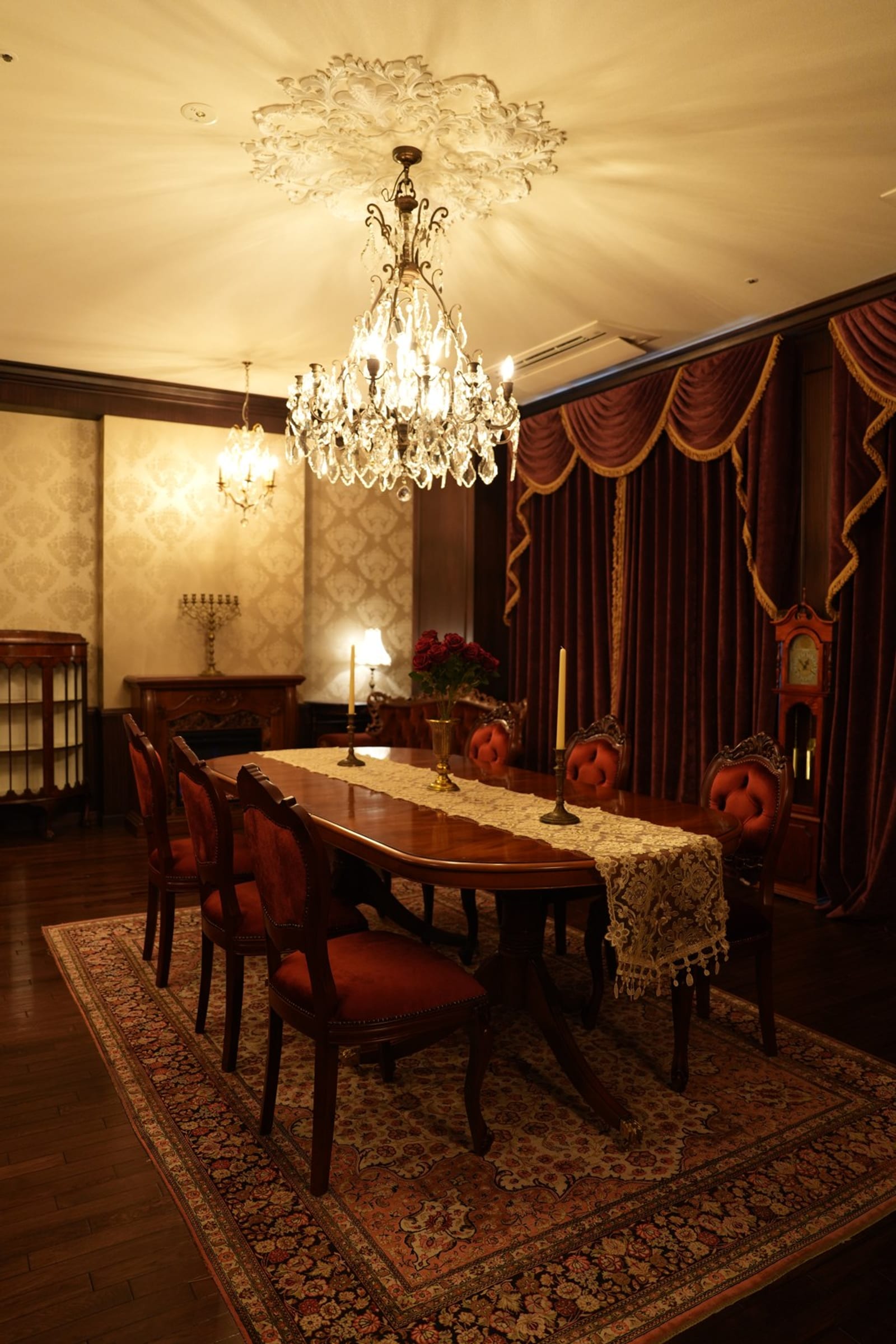
| Distance from the butler | The easiest signal | How the butler receives it |
|---|---|---|
| Close by, at the same table | A glance or a gentle word | At a pause in conversation, he turns to your side |
| A little way off in the same room | A word or the silver bell | He notes the sound and your manner, and comes over |
| Preparing in another room | The silver bell on the table | He returns on the signal and hears your request |
| When unsure which to use | Whichever you find least awkward | He does not judge the form of the signal, only responds to what is needed |
No way of signalling your butler ranks above another. Choose the one that suits the moment and the distance.
By voice or by bell, whichever carries your wish.
When the butler is waiting nearby, speak to him gently. When he is a little way off, use the silver bell on the table. Either is a signal for you to convey what you need and for the butler to return to your side. Both male and female butlers are with us at the Manor.
When you are spending time quietly alone, the bell becomes the opening of a conversation. When two or more of you are in conversation, it is the signal by which the butler can approach without interrupting. Even with a party of up to six, he never presses to know who rang, but asks all of you what is needed at that table.
Before the manner of calling, what matters is what you wish for. A little more tea, the lights turned down, a move to the study, a question about the silver. A few words are enough; once the butler is at your side, tell him your wish just as it is.

What the silver bell conveys
- The signal that you would like the butler back at your side
- A conversation about tea, lighting, temperature or where to spend the next hour
- A question when unsure about the silver or how to spend time at the Manor
- An opening for unravelling wishes not yet in words
What the bell alone does not decide
- Judging the urgency or importance of a request by the force of the sound alone
- Treating it as a mark of command that slights the butler's dignity
- A rule that the butler can only be consulted by using the bell
Three ways in to conveying your wishes to a butler
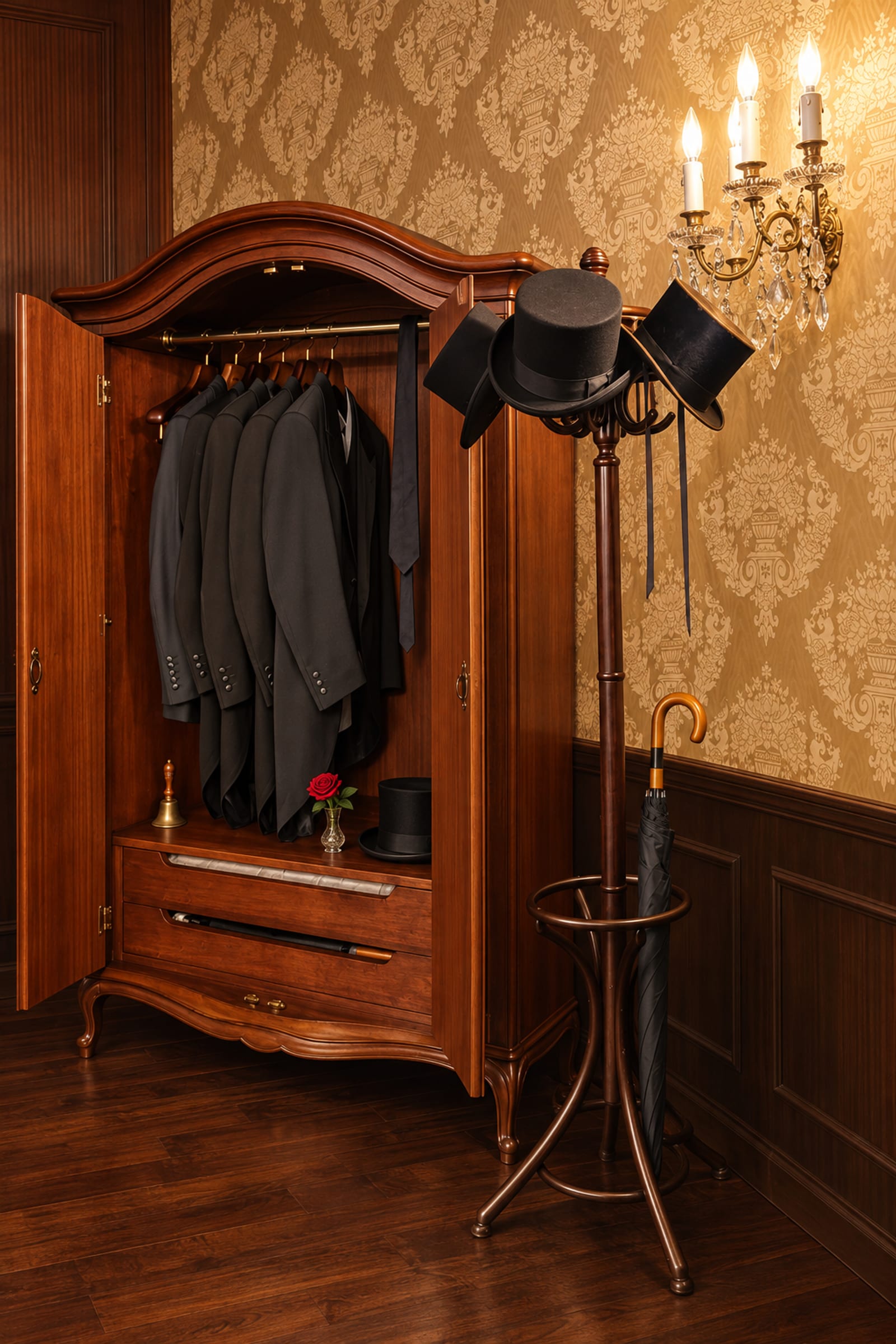
Ways to Spend Your Time
Eleven scenes at the Manor, from the welcome at the door and the silver bell to afternoon tea.
Read more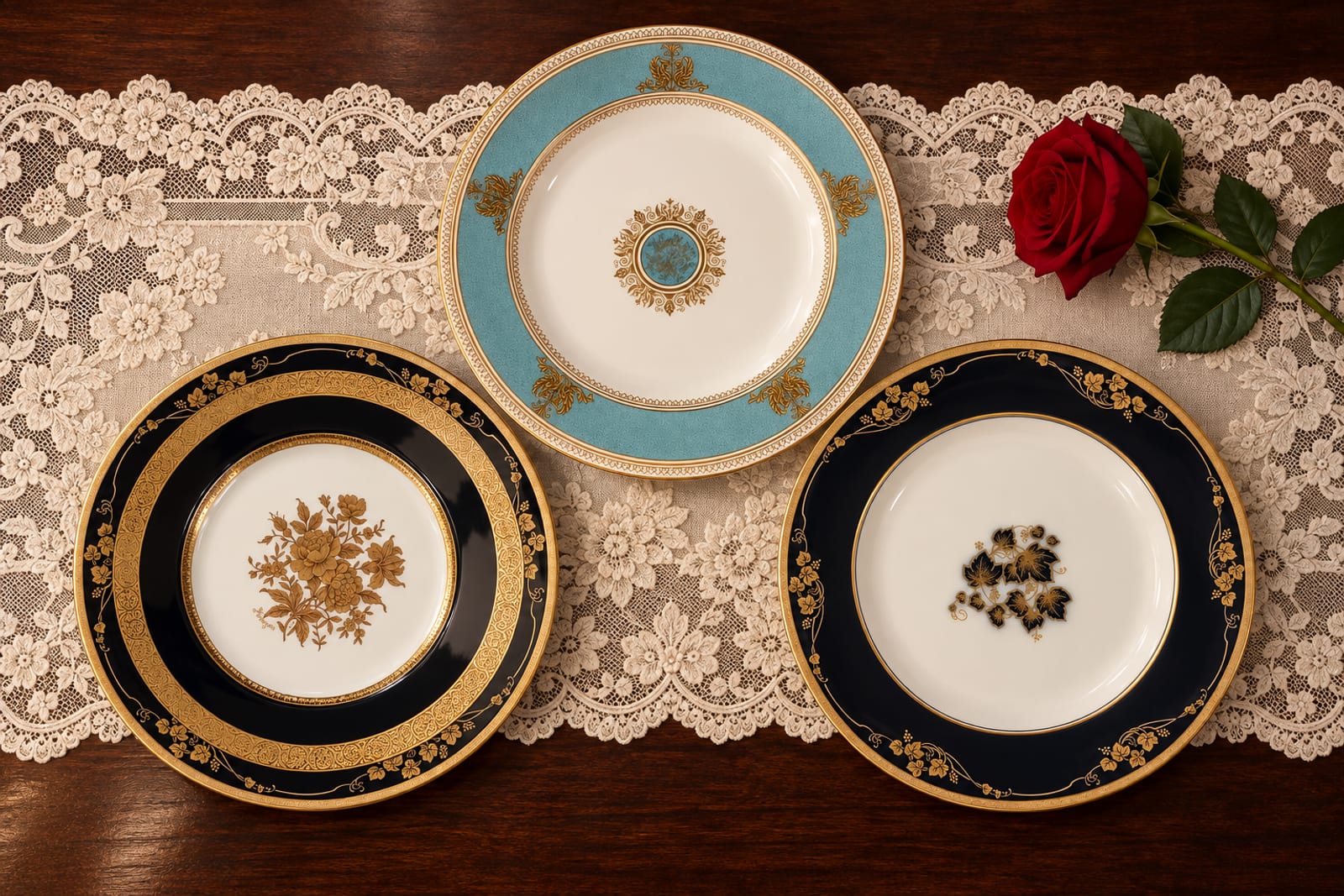
Butler's Manners
An introduction to the etiquette of the table, the bow, the bell and mutual dignity.
Read more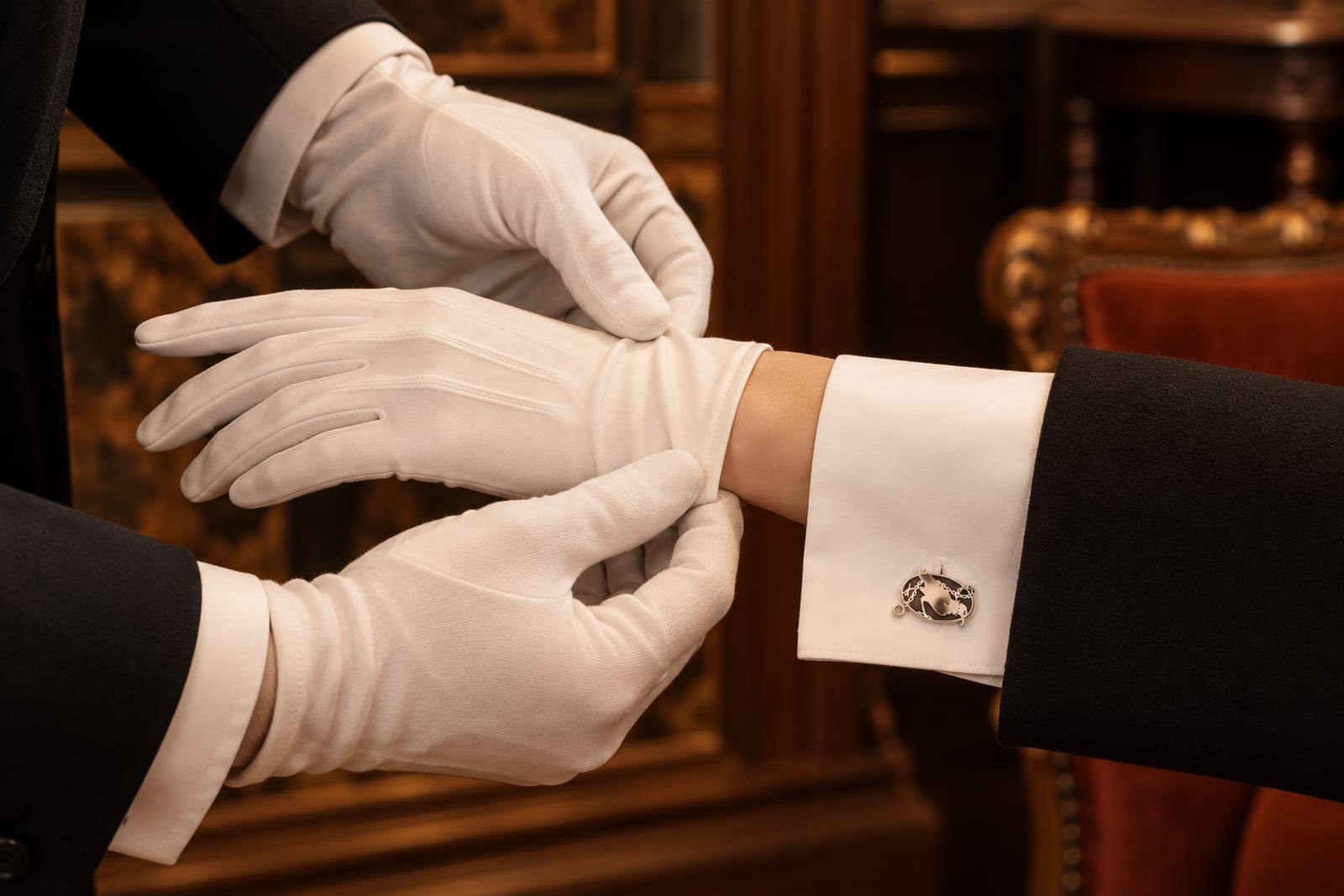
About The Salon
A Manor reserved for one party at a time, with male and female butlers always at your side.
Read moreQFor what kinds of request may I ring the bell?
Tea, the temperature, what to do next, a question about etiquette: whenever you have something to tell your butler, please ring without hesitation. Even if it is not yet in words, the butler will listen at your side.
QMay I ring the bell even when the butler is out of sight?
Yes. The butler remains at your service throughout your stay. Please ring the silver bell on the table without hesitation.
QHow should I signal the butler?
When he is waiting nearby, speak to him; when he is a little way off, use the silver bell on the table. Neither is more courteous than the other; choose whichever feels least awkward to you.
QMay I signal a female butler with the bell as well?
Yes. Whether male or female, the butler comes to your side on the signal. Any preference as to gender is taken at the time of booking.
QIs there a set way to ring the bell?
It is not a tool that requires learning a special etiquette before use. Signal with the bell on the table and the butler returns to your side to hear your request.
QMay I call out rather than ring the bell?
Yes. When the butler is waiting nearby, speak to him gently. When he is a little way off, the silver bell lets you signal without raising your voice.
You may also wish to read




Ring the silver bell, without hesitation.
The butler returns to your side and hears your wishes. First, tell us your preferred date and how you would like to spend the time.