
Deportment and the Bow
Before the angle of the bow, thought for the other person
About Deportment and the Bow
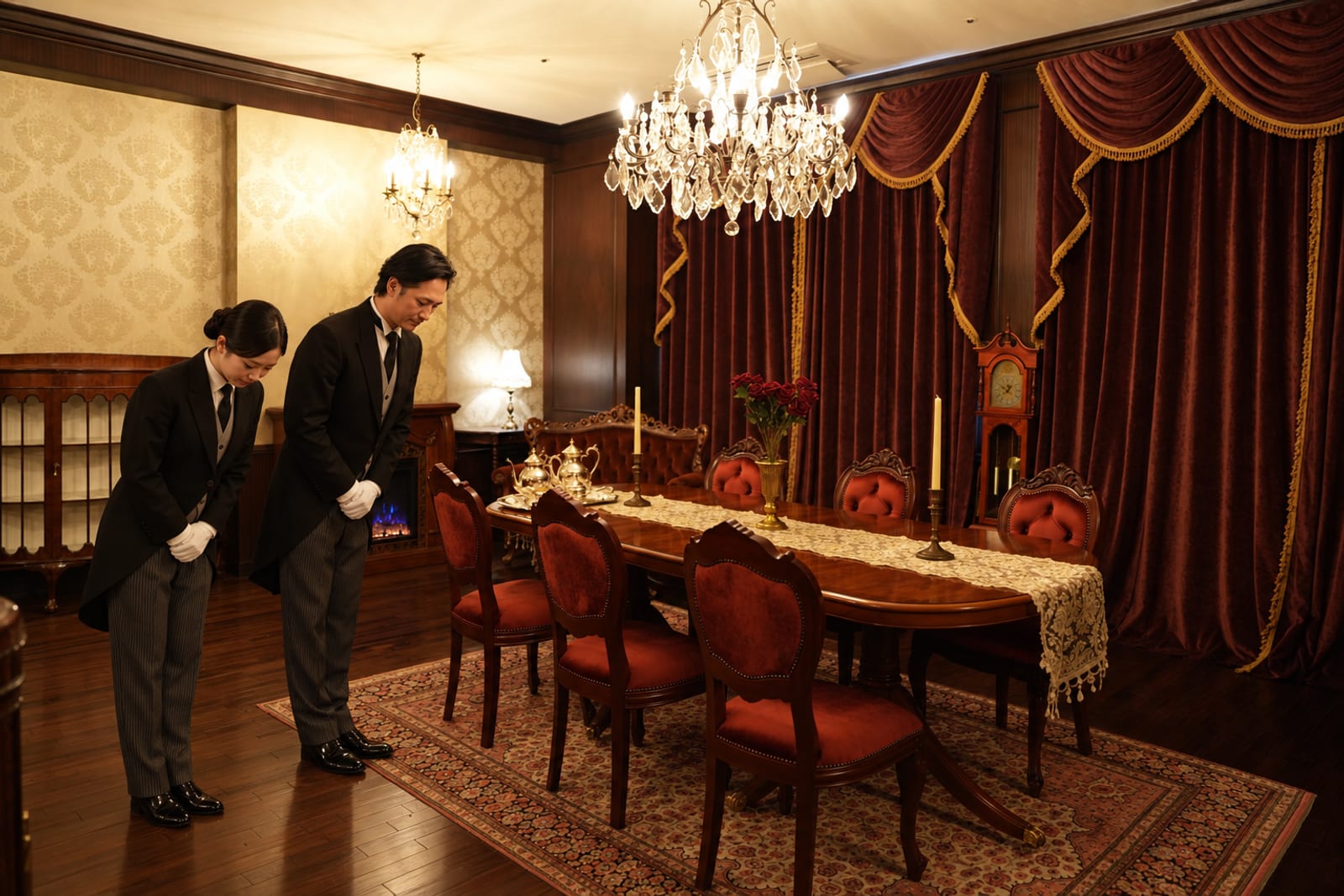
Deportment and the bow are the manner in which a butler expresses respect for another's time and space through posture, step, gaze and bow. Bowing deeply is not the whole of courtesy. A butler reads the occasion and conveys respect to you in everything from the position taken to open a door to the single step that yields the way.
A butler reads the room before moving.
Are you heading for the door, about to sit, or wishing to hand over what you are holding? A butler does not move first and steal the scene, but reads what comes next from your gaze and the direction of your feet. Even while standing quietly, we are choosing again and again the position from which we can support you at any moment.
Posture is not arranged to make the butler look imposing. It is a form that keeps the way clear, makes it easy to speak to us, and lets us reach you in a single step when needed. Male and female butlers alike, whatever their dress or build, keep a distance that never presses upon you.
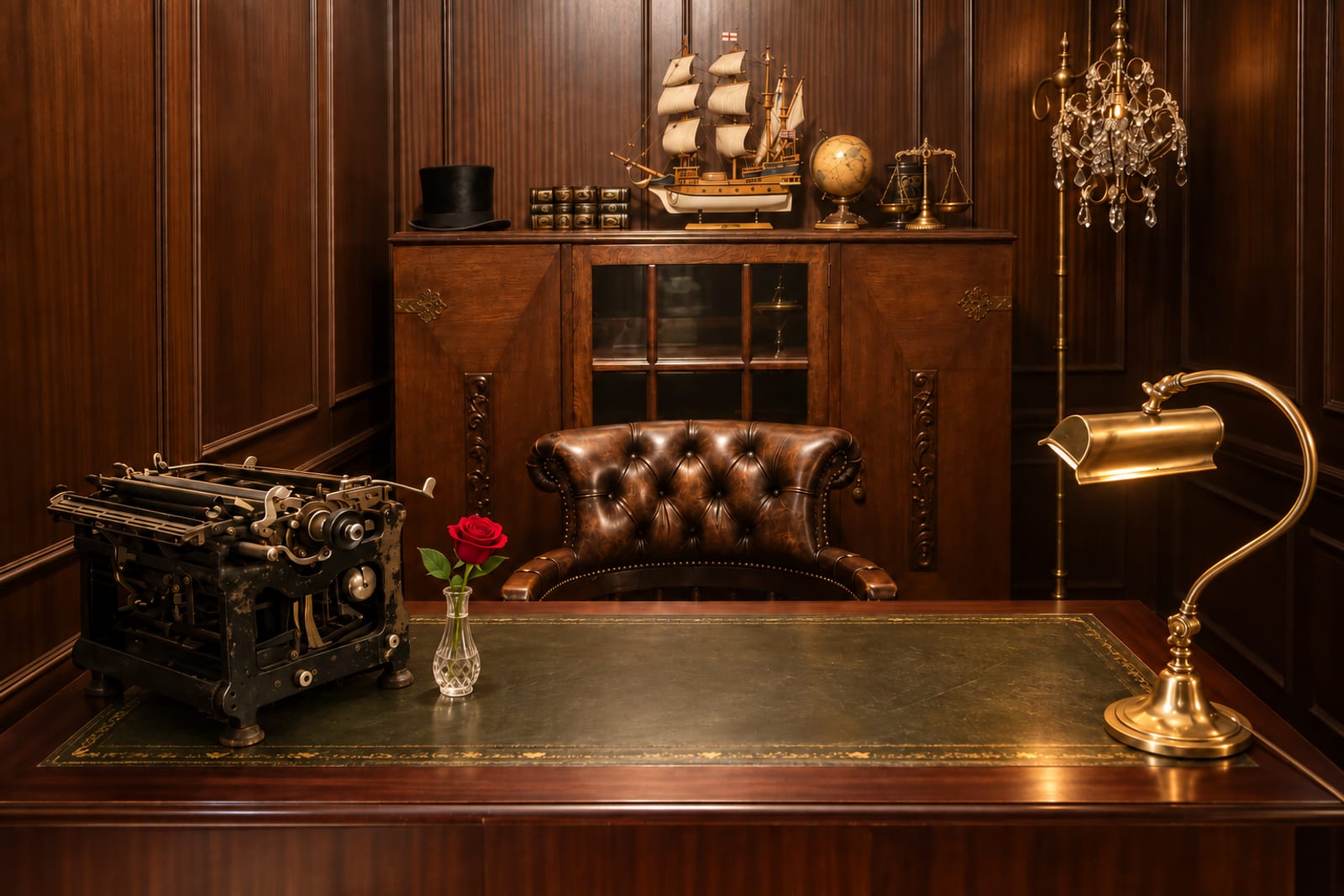
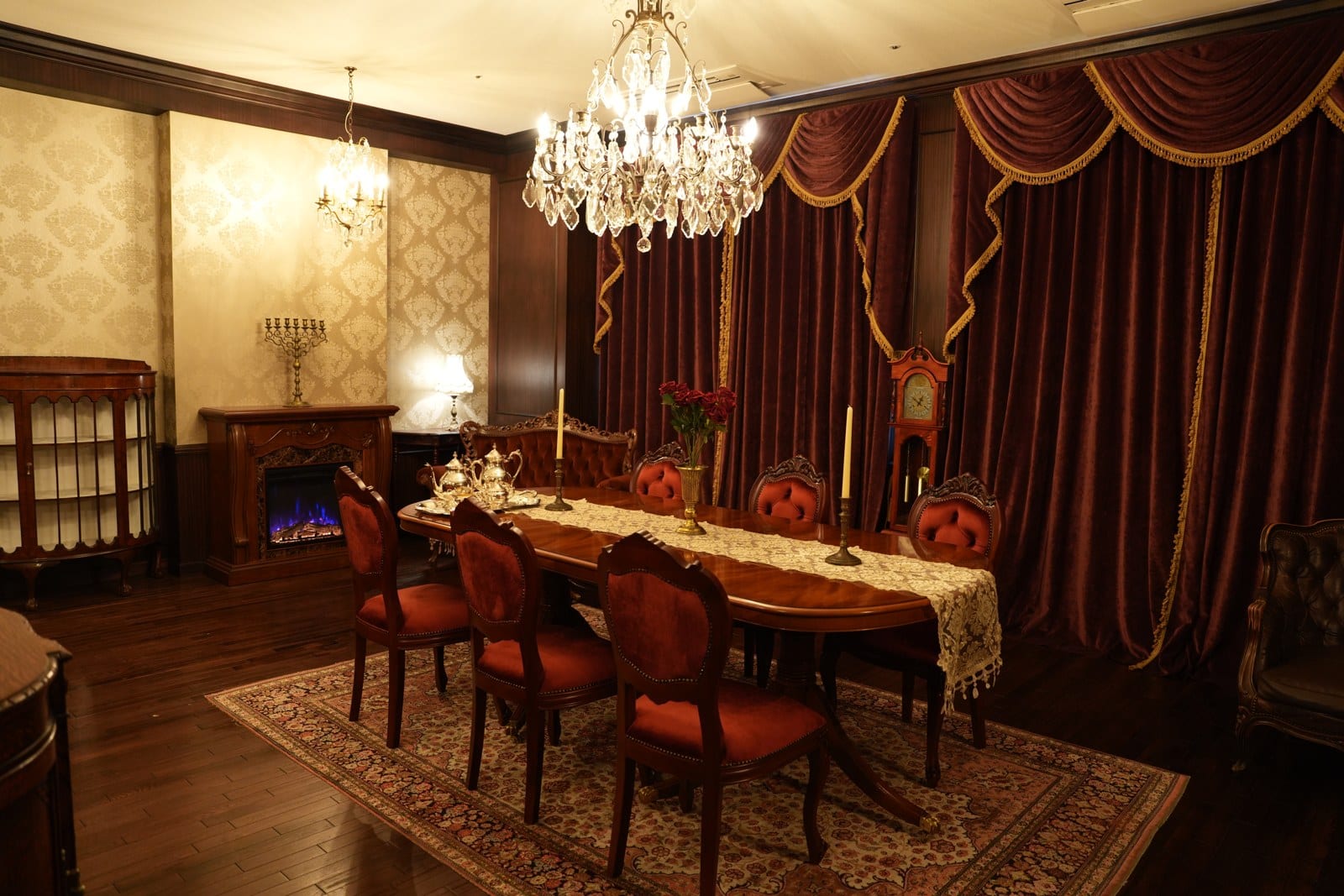
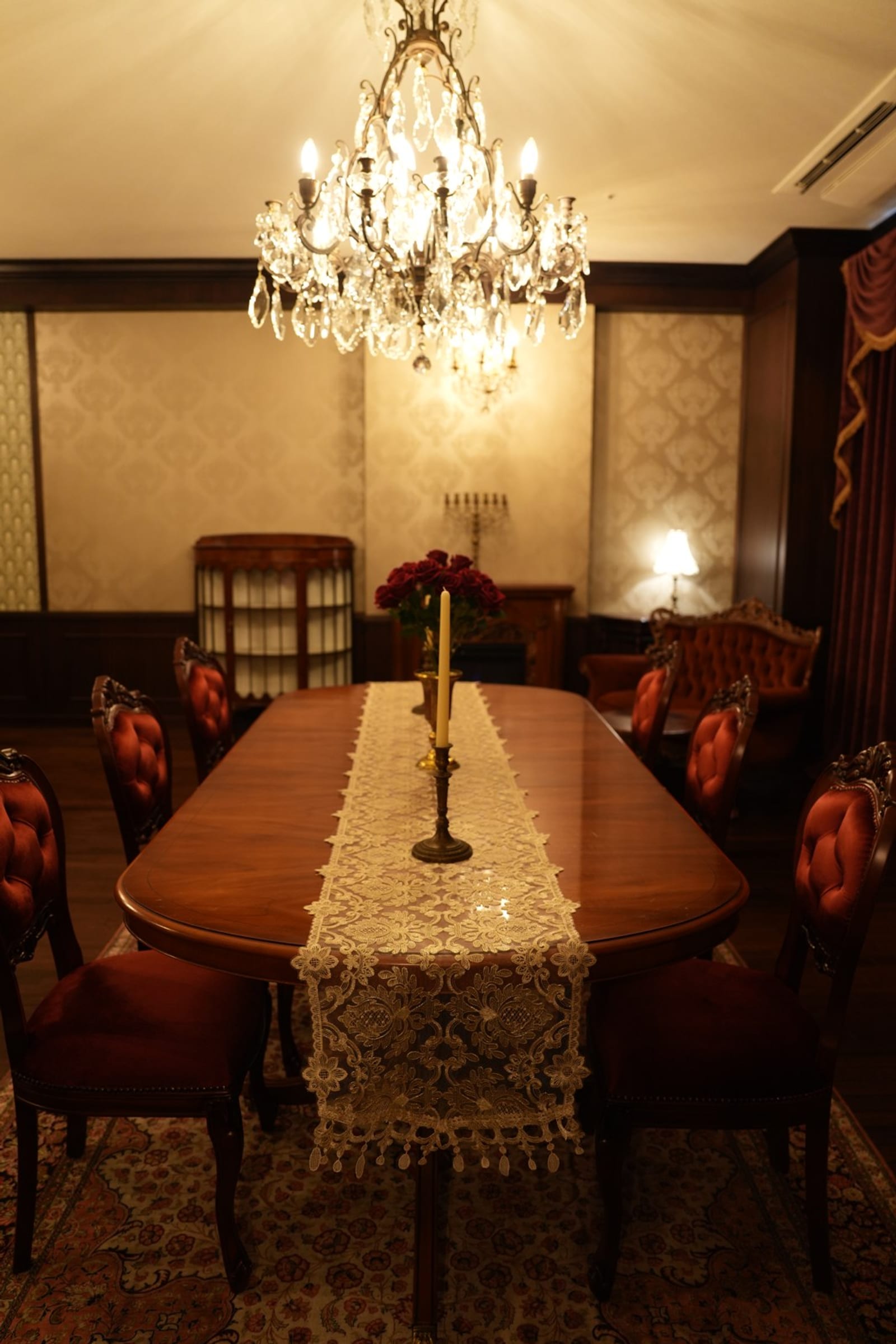
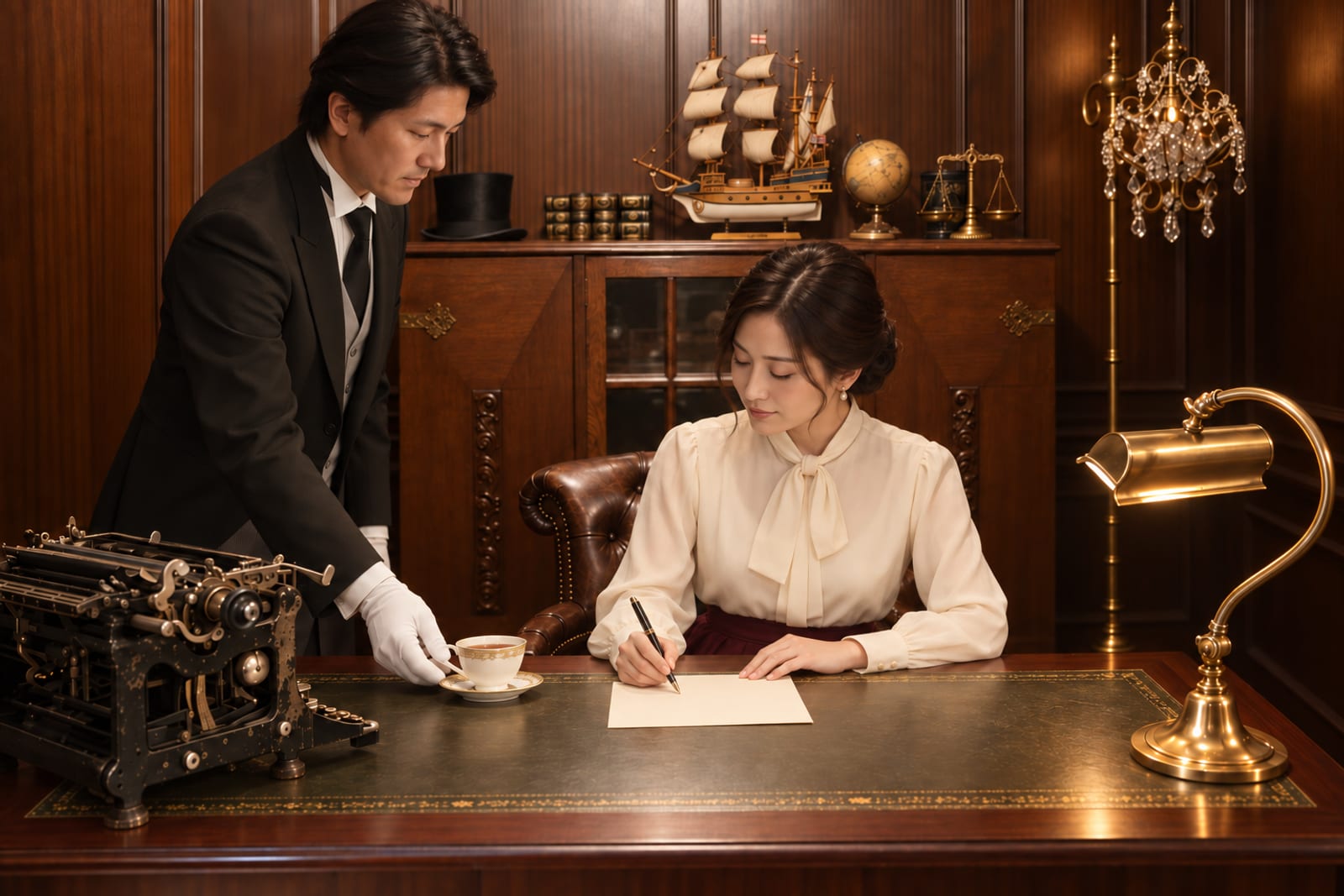
The Manor has double doors, a dining room lined with red chairs, a study with a leather-topped desk, and a sofa before the fire. Holding one posture would allow neither the opening of a door nor the drawing back of a chair. A butler changes position with the place and the purpose, always leaving ample room in the direction you are going.
The four elements that shape the manner
| Element | What the butler arranges | What reaches you |
|---|---|---|
| Posture | A centre of balance ready to move, and a position that never blocks you | Room to speak to us at ease |
| Step | Movement that makes no hurrying sound and never outpaces you | Time to keep your own pace |
| Gaze | Not staring, yet turned so that any signal is received | A question that reaches us without words |
| Bow | A bow suited to the opening of a scene, to thanks, or to farewell | Respect in which word and body agree |
These elements are not separated one from another. Posture, step, gaze and bow join to form a single act of attendance.
A comfortable distance is one within reach, yet outside your view.
A comfortable distance is a position from which you can easily speak to us, while your time alone is equally protected. A butler does not think closeness alone is kindness. When you write a letter in the study, open a book before the fire, or continue a conversation in the dining room, where we wait and where we look both change.
Even sensing that you are about to rise, if the butler moved ahead and decided your route, it would narrow your freedom of step. First we check the turn of your body and your hands; if needed, we go to the chair or the door; if you are still thinking, we stay where we are. Judgement on the spot rests as much on the restraint to wait as on the skill to move.
When receiving up to six guests, we never hurry everyone into one pace. While clearing the way for those ahead, we choose a position from which our voice still reaches those behind. For one guest, a wide quiet margin; for two, never crossing the line of conversation; as numbers grow, watching that no one's path overlaps another's.
A bow is not a movement for displaying an angle.
Welcome, thanks, apology, farewell. Bows that look alike differ in their occasion and in the words they carry. A butler does not hurry the head down alone, but faces you, delivers the words, and completes the bow. When form comes first, courtesy grows more distant, not closer.
Rather than competing in depth, a bow should make clear what it conveys. The butler chooses a position that does not halt your step, and with the returning gaze leads into the next stage of service. Only when beginning and end are smooth does a bow live within the flow of the occasion.
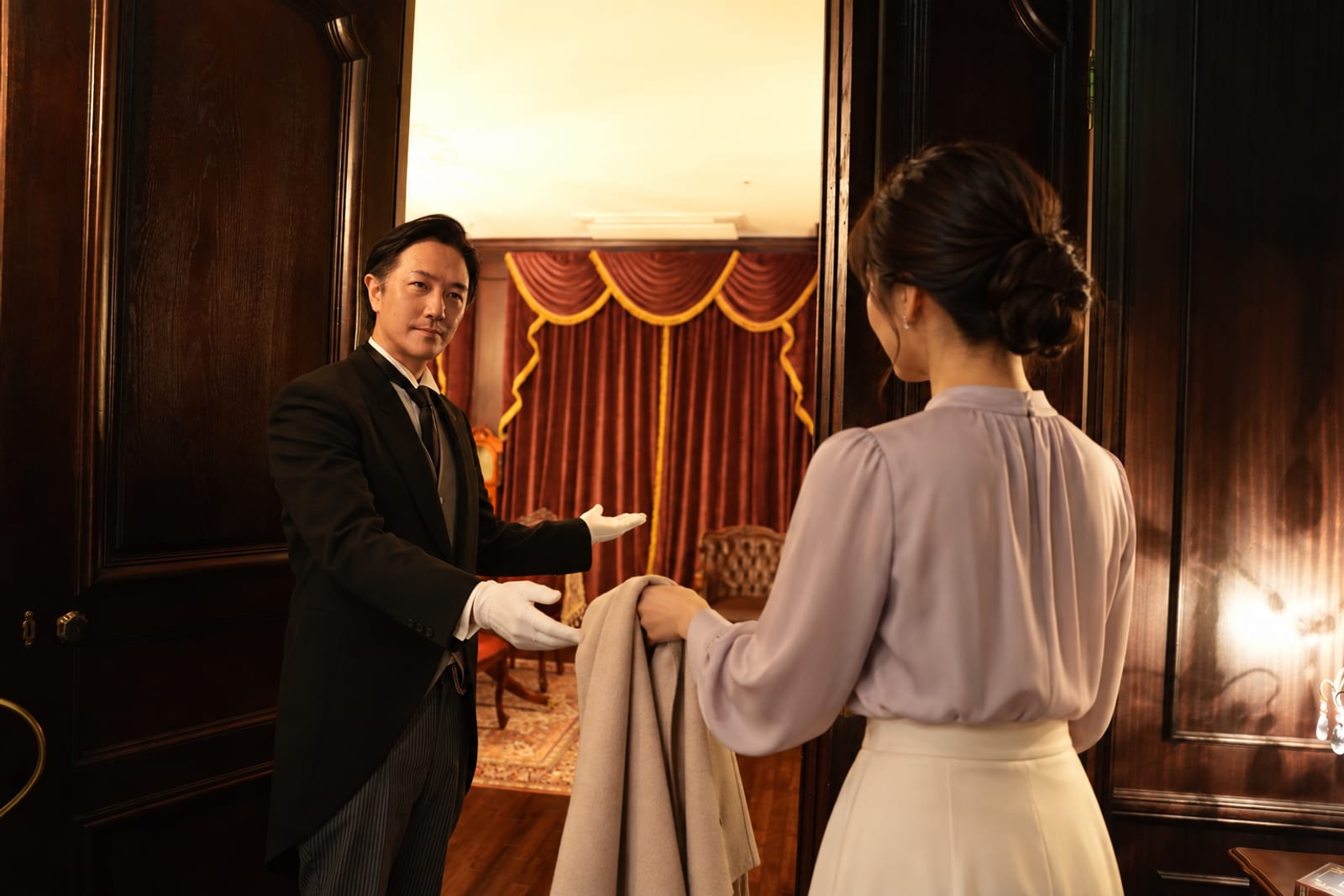
The bow of welcome begins the way through the door; the bow of farewell closes the time spent in the Manor. Neither ends with the bow alone, but continues into the hand that holds the door, the returning of your belongings, and a distance that does not hinder your next step. A butler's bow is one with the work before and after it. Even when receiving thanks, a butler takes care not to close the conversation by bowing again and again.
Five stages in offering a bow
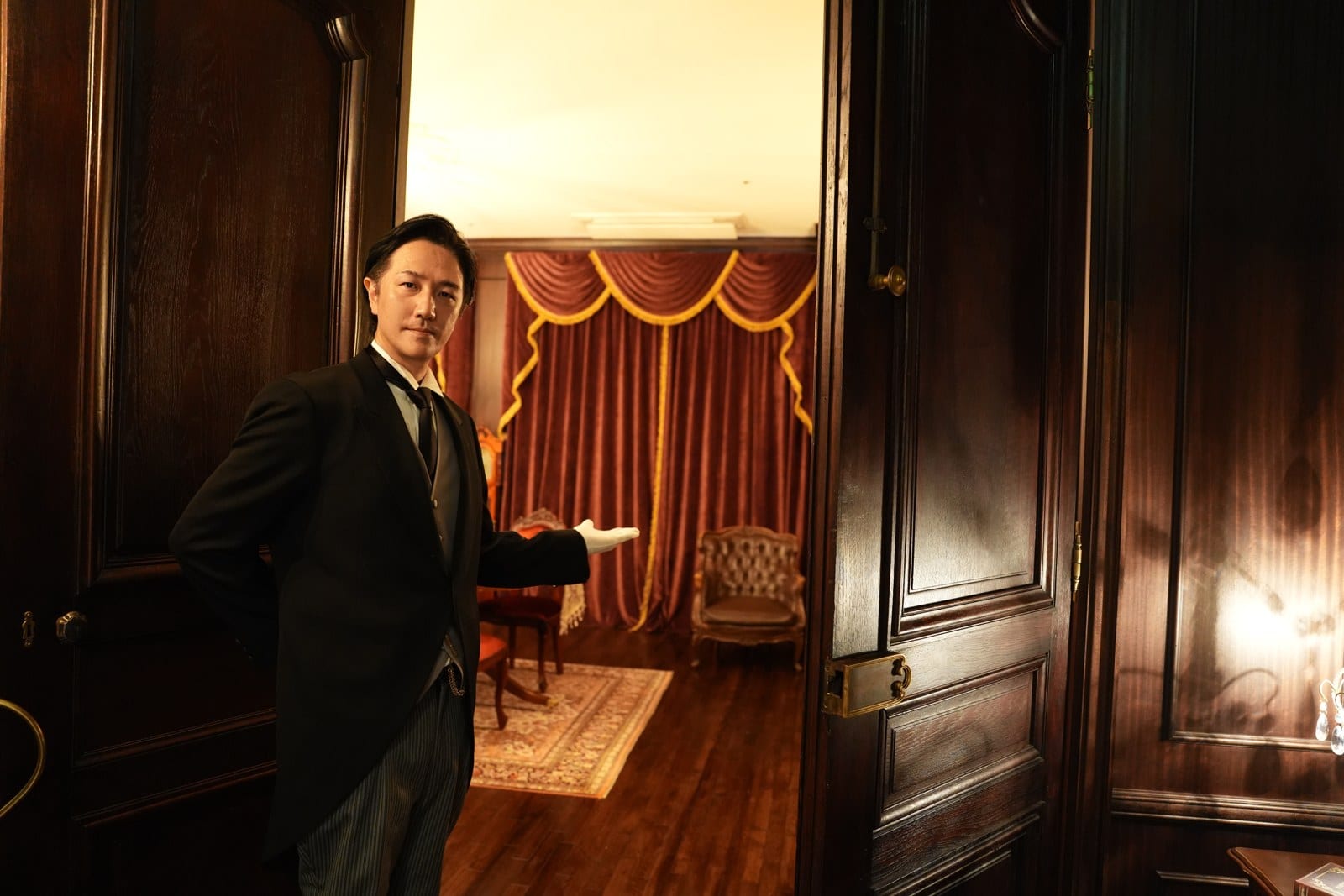
Turn to the person
We turn body and attention towards you, and take a position from which our words will reach.
Place the words
Welcome, thanks or whatever the moment calls for, delivered without haste.
Complete the bow
Checking the movement and safety around us, we offer the bow suited to the occasion.
Hold the stillness
We do not hurry into the next movement mid-bow, but keep the brief pause in which respect reaches you.
Into the next movement
We return our gaze and move quietly to whatever is needed next: the door, the way, a chair.
As the scene changes, so does where the butler stands.
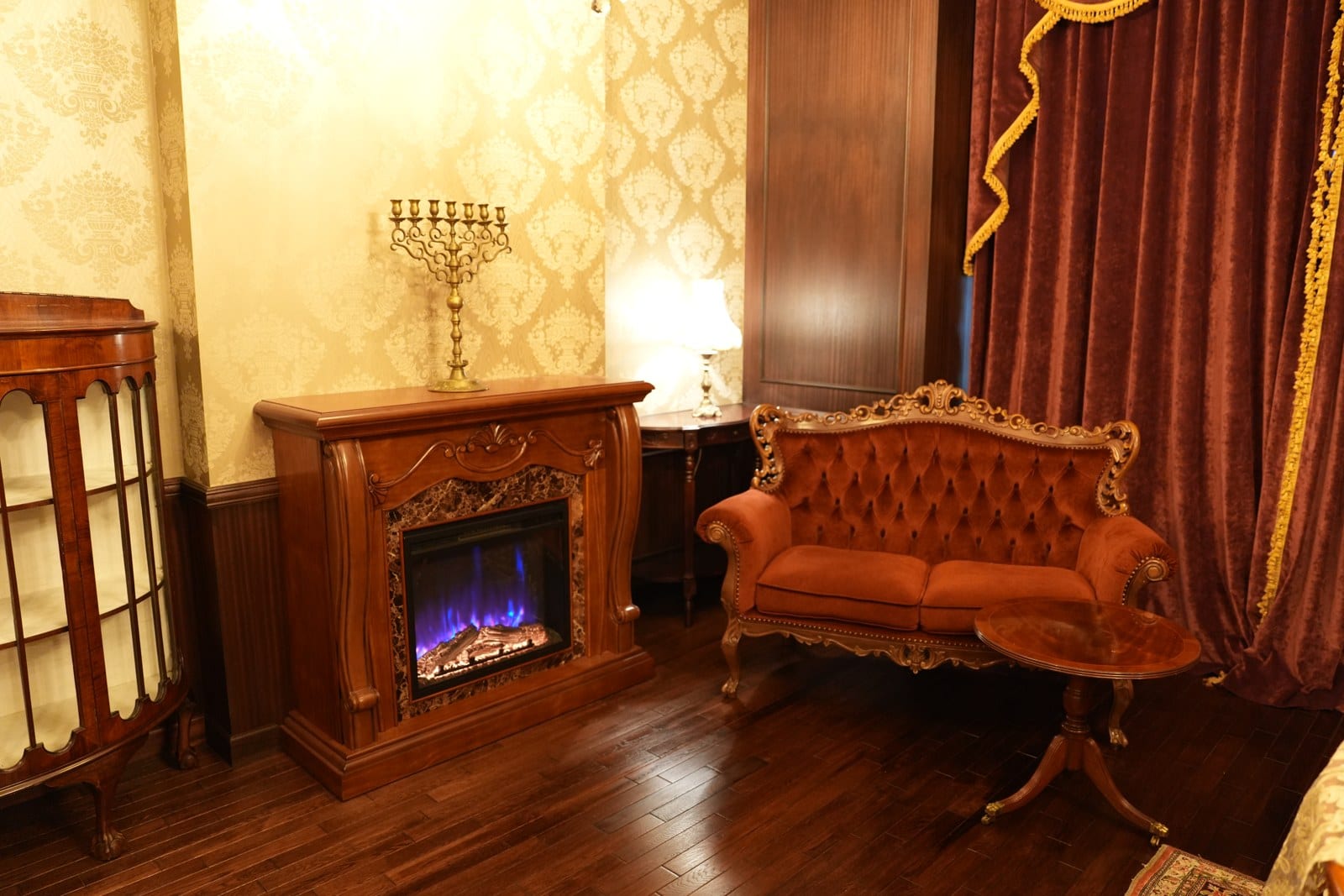
| Scene | What the butler watches | The manner chosen |
|---|---|---|
| Welcome at the entrance | The swing of the door, your belongings, your footing | We clear the way, deliver our words, then complete the bow |
| The dining room | The position of chairs, the silver on the table, the flow of conversation | We wait for the moment to draw the chair, and stand on the side that does not obstruct your hands |
| The study and the fireplace room | Whether reading or thought continues, whether there is a further wish | We do not vanish entirely, but keep a distance at which we are easy to call |
| Farewell | Your clothing, your belongings, your steps beyond the door | We check what is to be returned and keep the way clear to the very last step |
Rather than repeating the same bow, we choose the manner to suit the purpose of the scene and your own pace.
The morning coat reflects the habits of your movement.
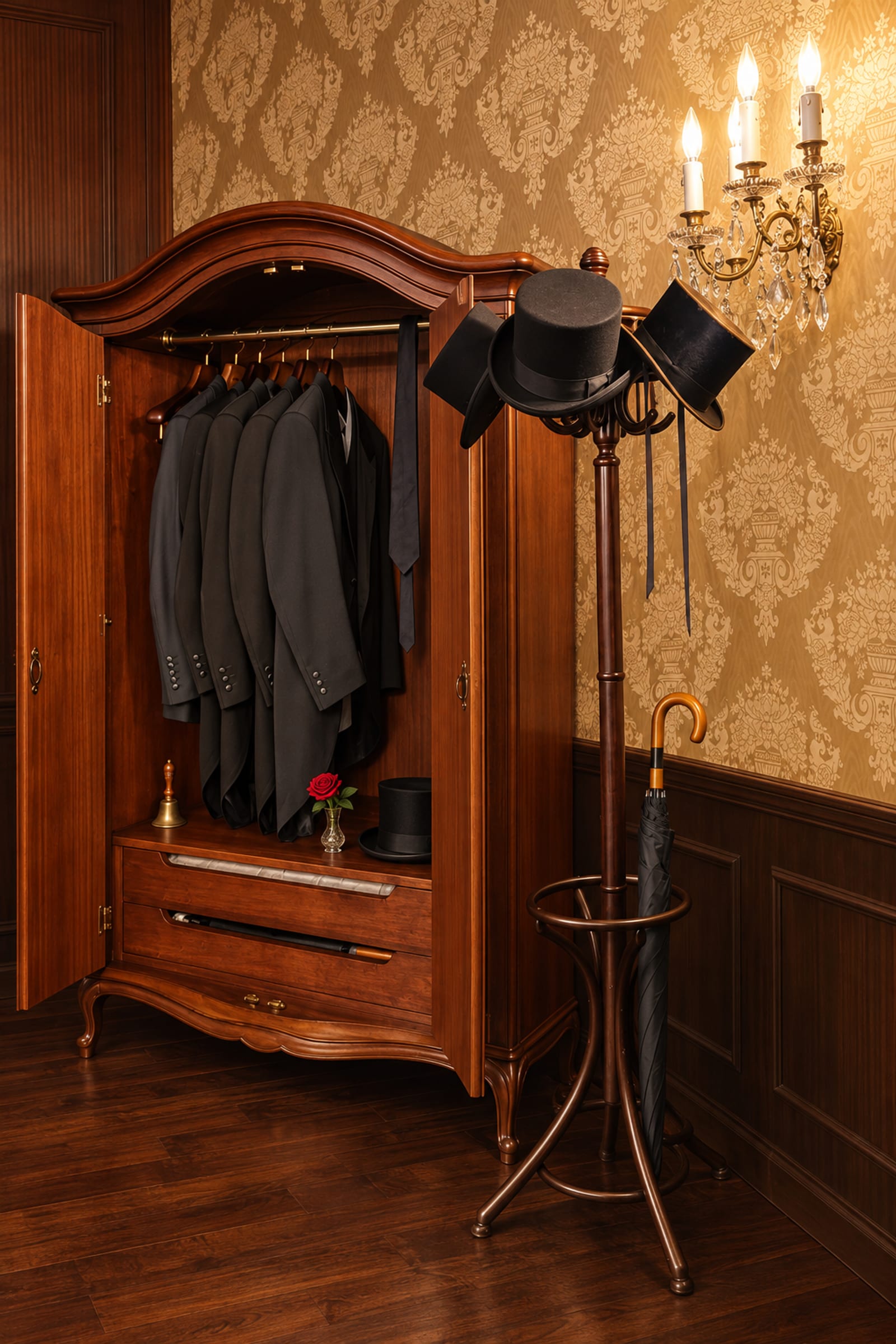
In The Footman, the apprentice butler experience, you wear a full morning coat and are introduced to the sequence of standing, walking and bowing. With a coat of unfamiliar length and white gloves added, where to rest your hands and how to place your feet rise to awareness more than usual. The attire is not decoration but a mirror in which to study the manner. A butler does not seek only the finished form.
Look at the person first; do not block the way; do not hurry. Moving the body together with these reasons, one bow leads into the next act of service. During the experience, a butler supports you in the full attire you wear and in each individual's own movement.
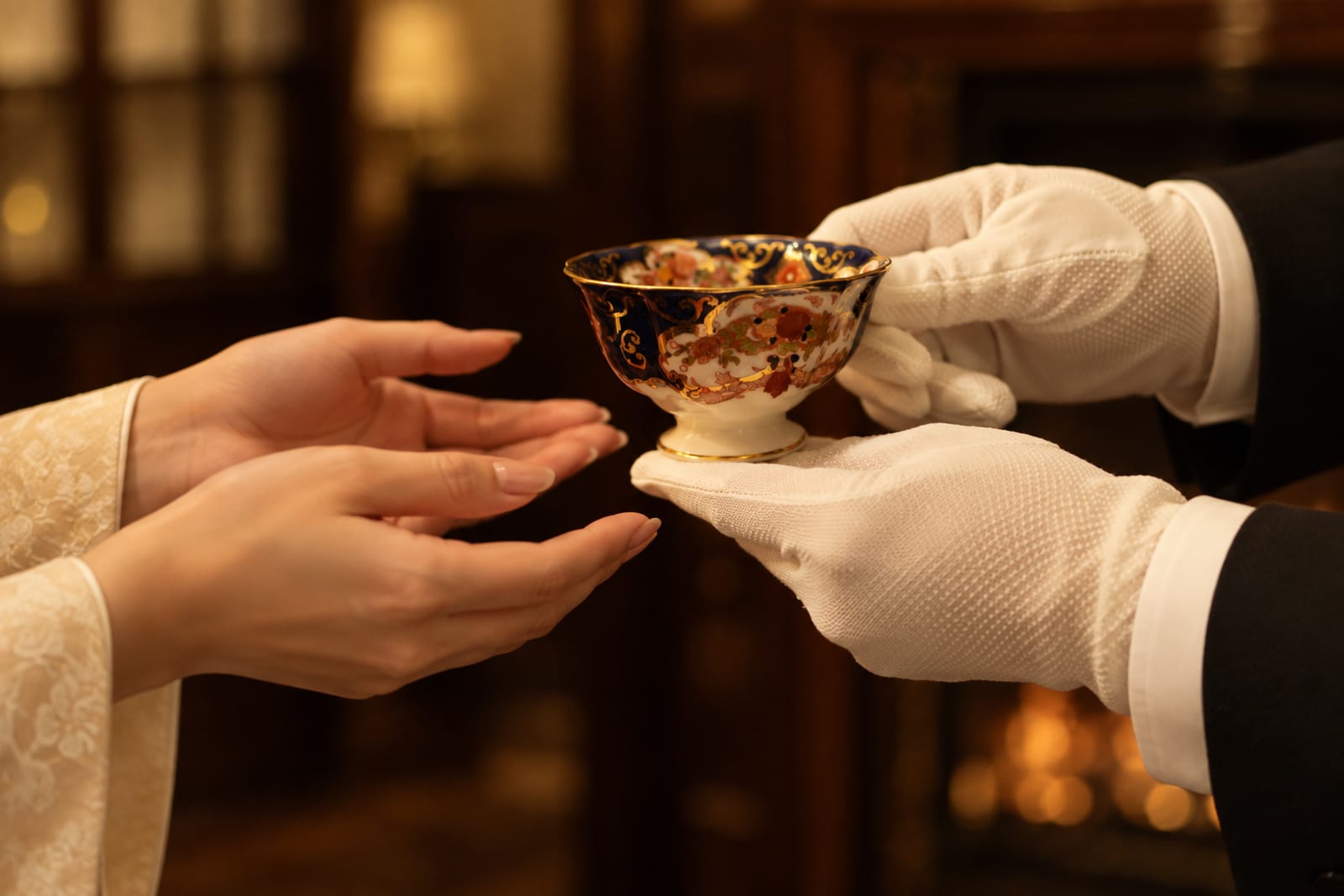
Putting on white gloves makes you aware of the direction of your fingertips and any habit of touching your coat. The tails of a morning coat reflect your stride and the turn of your body exactly. Rather than only fixing a form before a mirror, you look for the position where attire and manner agree within the continuous sequence of opening a door, yielding the way and turning back to the person. No special belongings or prior experience are needed for a first visit.
What The Footman involves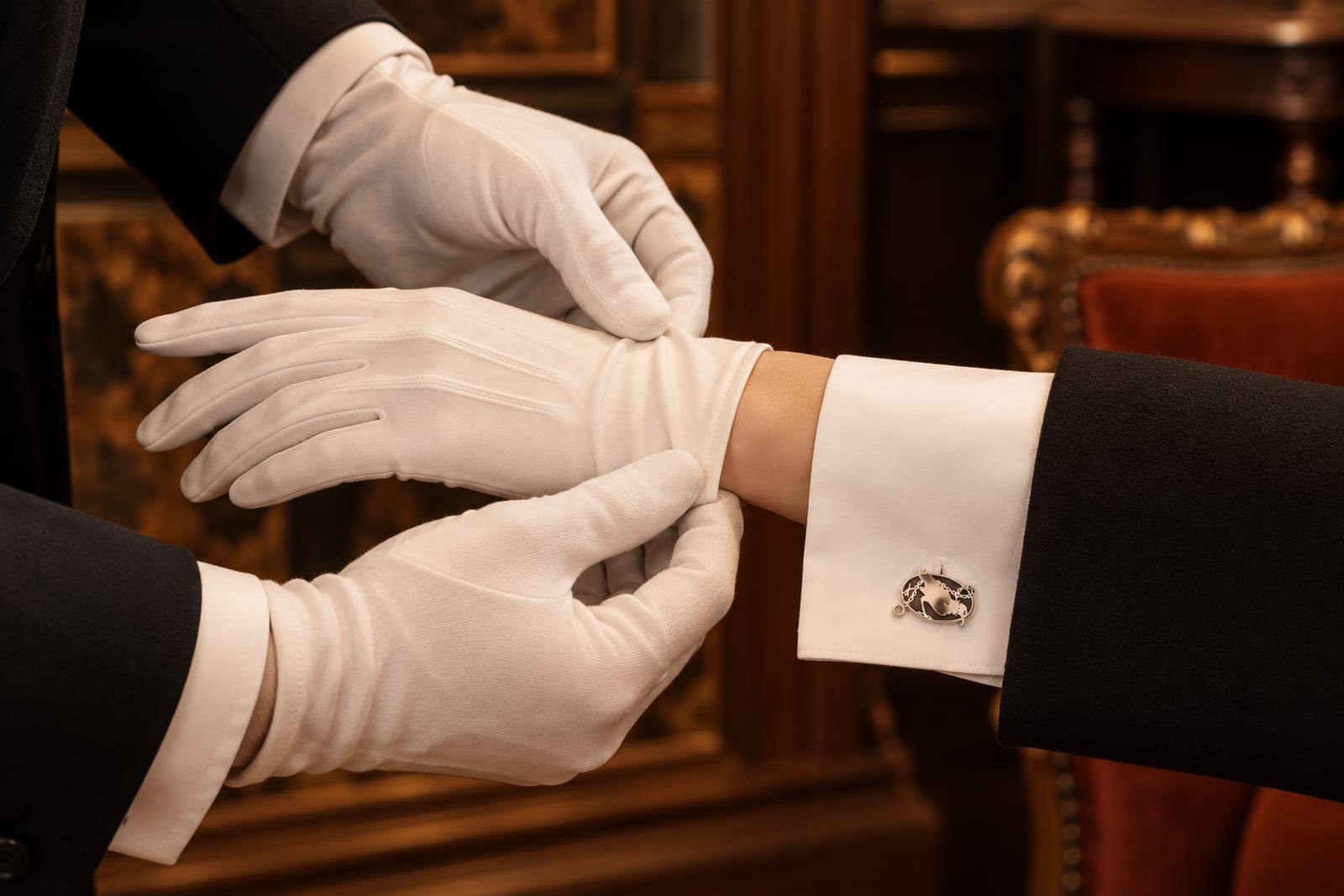
What a butler's manner includes
- Checking your route and your pace
- Placing a hand safely on doors, chairs and the things on the table
- Aligning the beginning, the stillness and the end of both words and bow
- Reaching you in a single step when needed, and protecting the margin when not
What form alone cannot convey
- Competing in respect by the depth of the bow alone
- Putting a fixed form ahead of your own pace
- Drawing attention to oneself with large movements
Three ways into the manner
Deportment
Where you stand, how you walk and where you rest your hands all reflect consideration for the other person.
Read more
The Bow
From the beginning of the bow to the next movement, experienced as one continuous manner.
Read more
How a Butler Stands and Bows
The background to posture and the bow, to read before your experience.
Read moreQIs a deeper bow more courteous?
Depth alone does not decide courtesy. A butler bows with the meaning and the words of the moment aligned, whether welcome, thanks or farewell.
QWhy does a butler walk so quietly?
So as not to interrupt your conversation or your thoughts, nor to hurry your pace. We move while keeping a position from which we can reach you when needed.
QDo female butlers practise the same manner?
Yes. Our butlers include both men and women, and the principle of respecting the other person is shared. Each attends you with movement suited to their own build and dress.
QCan I experience the manner in The Footman?
Yes. Wearing a full morning coat, you are introduced to deportment and the bow. Please consult us about costume sizes in advance.
QCan a beginner manage the form of the bow?
Yes. There is no need for the form to be right from the start. A butler supports you one step at a time, explaining the reasons for position, gaze, words and bow in turn.
QShould I mind my manner when being photographed too?
For commemorative photographs, a butler arranges the stance and the position of the hands that show the attire at its best. Rather than freezing for the camera, keep your breathing and your gaze, and the picture will be your own.
About the attire
- Sizes and styles are limited. Before booking, please tell us your height and usual clothing size
- Please ask about sizes other than those listed
You may also wish to read

Dress the part, and begin with a single bow.
In The Footman, the apprentice butler experience, you wear a morning coat and are introduced to deportment and the bow.